SNOW DEER Heated Socks: the reference point, converted
We have not worn these. What we have is a published pack capacity — rare in this category — and the arithmetic it supports.
By Scooter M. · Published August 31, 2026
How this is funded: buy links here are tagged and earn us a commission at no extra cost to you. It does not affect what we recommend, and we take no free product and no sponsorship. Read the disclosure.

SNOW DEER heated socks run a 7.4 V, 2,200 mAh pack at each cuff — 16.3 watt-hours a foot — driving one element over the toe box. The capacity is published on SNOW DEER's replacement-battery listing even though the sock's own page is silent about it, which is how we sourced it.
The specification, converted
| Figure | As published | Converted |
|---|---|---|
| Pack capacity | 2,200 mAh per sock | — |
| Nominal voltage | 7.4 V | — |
| Energy per foot | Not published | 16.3 Wh |
| Energy for the pair | Not published | 32.6 Wh |
| Output current | Not published | Ceiling not derivable |
| Draw | Not published | Runtime not derivable |
| Element | Toe box, one zone | — |
| Wash | Machine, battery removed | — |
Capacity and voltage come from SNOW DEER's own replacement-pack listing, not the sock page. Without a published draw or output current there is nothing to divide by, so the runtime row says not derivable rather than carrying a guess.
16.3 watt-hours a foot is the smallest energy figure on this entire site. For context, a heated jacket carries 38.5 and a top-end heated glove carries 23.8. These socks are working with less than half of what the gloves have.
That is not a criticism of SNOW DEER — every heated sock in the category runs the same class of pack. It is context for what to expect, and the reason the pages on this hub keep coming back to rationing rather than to specification.
Quick picks
Tap any row to jump to the full write-up below. The energy column is the pack’s capacity times its voltage — the number this category does not print.
| # | Product | Best for | Energy | Price |
|---|---|---|---|---|
| 1 | SNOW DEER Heated Socks, 7.4VThe reference point for the category, and the rare heated product whose pack capacity is actually published — on the r… | The default heated sock | 16.3 Wh | $79.99View on Amazon |
| 2 |  SNOW DEER Upgraded Heated SocksThe plain button version of the same sock, and for most buyers the right one: the app adds convenience, not warmth, an… | The cheapest sock worth owning | 16.3 Wh | $79.99View on Amazon |
| 3 |  SAVIOR HEAT Heated Socks with App ControlApp control sounds like a gimmick until you are laced into a ski boot and the only alternative is undoing everything t… | Adjusting heat without taking your boot off | 16.3 Wh | Check price on Amazon |
#ad — buy links are tagged and earn us a commission at no extra cost to you. Prices come from a live feed; where none is available the button reads “Check price” rather than showing a number we cannot stand behind. How we are funded.
SNOW DEER Heated Socks, 7.4V
The reference point for the category, and the rare heated product whose pack capacity is actually published — on the replacement-battery listing, if not on the sock's own page.
#ad Price as of October 17, 2026. How we are funded.
The numbers
- Energy
- 16.3 Wh
- Pack
- 7.4 V, 2,200 mAh per sock
- Element
- Toe box
- Wash
- Machine, battery out
- Heat zones
- Toe box only
- Settings
- Three
- Care
- Machine washable with the battery removed
On wattage: No published wattage. The pack capacity is published on SNOW DEER's own replacement-battery listing, which gives you the energy figure even though the sock page does not.
What we like
- The element sits over the toes, which is the only place foot heat actually matters
- Replacement packs are cheap and easy to find, which extends the useful life a long way
- Machine washable, unlike most heated gloves
What we do not
- Cuff packs are visible above a low boot
- About 16 Wh a foot is not much energy
- No wattage published
Who this suits
Hunters, ice anglers, spectators — anyone standing still on frozen ground.
Who should skip it
Your boots are already tight. A sock with an element and a cuff pack needs room you may not have.
Spec sources: Amazon — SNOW DEER 7.4V 2200mAh replacement pack
SNOW DEER Upgraded Heated Socks
The plain button version of the same sock, and for most buyers the right one: the app adds convenience, not warmth, and the energy budget is identical either way.
#ad Price as of October 17, 2026. How we are funded.
The numbers
- Energy
- 16.3 Wh
- Pack
- 7.4 V, 2,200 mAh per sock
- Control
- Button
- Sizes
- S through XL
- Heat zones
- Toe box
- Settings
- Three
- Care
- Machine washable with the battery out
On wattage: No published wattage.
What we like
- Same element and same pack as the app version at a lower price
- One less thing to pair, charge and troubleshoot
- Replacement packs are inexpensive
What we do not
- The button is unreachable inside a laced boot
- Three fixed settings only
- No wattage published
Who this suits
Anyone in loose boots or waders who can reach their own cuffs.
Who should skip it
You ski. You will not be able to reach the button.
Spec sources: Amazon — SNOW DEER 7.4V 2200mAh replacement pack
SAVIOR HEAT Heated Socks with App Control
App control sounds like a gimmick until you are laced into a ski boot and the only alternative is undoing everything to press a button you cannot reach.
#ad No live price available, so we show none. How we are funded.
The numbers
- Energy
- 16.3 Wh
- Pack
- 7.4 V per sock
- Control
- Bluetooth app plus cuff button
- Fabric
- Carbon-fiber element in a knit sock
- Heat zones
- Toe box
- Settings
- Three, with temperatures published: 104-113°F, 122-131°F and 131-149°F
- Care
- Machine washable with the battery removed
On wattage: Not published, but derivable — which is the whole reason this sock leads the page. 16.3 Wh across the published 2.5-3 h on high is about 5.4-6.5 W, across 5-6 h on medium about 2.7-3.3 W, and across 9-10 h on low about 1.6-1.8 W. The hours in the table are the low end of each published range, so the implied draws are the upper bound. A smooth descending ladder from one pack size is what a calculated spec sheet looks like rather than an invented one.
On the pack: 7.4 V, 2,200 mAh per foot — about 16.3 Wh. SAVIOR publishes both numbers, which is more than Lenz does for a sock costing four times as much.
What we like
- Adjusting from your pocket is the single most useful feature on a heated sock
- Finer control than three fixed settings, which stretches the runtime
- Still works as a normal button sock if the phone dies
What we do not
- Bluetooth is one more thing to fail in the cold
- Phone batteries drain faster in the cold too
- No wattage published
Who this suits
Skiers, and anyone whose boots make the cuff button unreachable.
Who should skip it
You do not want an app on your phone for a pair of socks. That is a reasonable position.
Spec sources: Savior Heat — App-controlled heated socks product page ("7.4V 2200mAh battery"; High "2.5-3 hours" at "131-149°F", Medium "5-6 hours" at "122-131°F", Low "9-10 hours" at "104-113°F"; "One-Tap App Connection", "Live Battery Status Tracking", "Control Gloves, Socks & Apparel"; "the sock button for quick outdoor control"; "Heats up within 3 seconds"; COOLMAX fabric, carbon fiber elements; "Free 1-Year Extended Warranty"; the app itself is never named) · Amazon — SNOW DEER 7.4V 2200mAh replacement pack
Toe-only is the right design
The element covers the toe box and nothing else. That is a deliberate, correct choice rather than a cost saving. Toes go numb first, for three reasons that all compound: they are furthest from the heart, they have the worst surface-area-to-volume ratio on the foot, and a boot frequently compresses their blood supply before the cold even arrives.
Heat applied at the arch or the ankle does very little for a numb toe. A sock advertising whole-foot heating would be spreading the same 16.3 watt-hours across more fabric for no gain — which is worth knowing when you see one.
The button, and where it stops working
This model is controlled from a button on the cuff pack, just below the knee. In a pac boot, a wader or any loose boot, that is completely fine and it is one less thing to pair, charge and troubleshoot than an app model.
In a ski boot it is unreachable. A rigid shell and a buckled power strap sit between you and the cuff, so you set the socks at the car and live with the decision all day. That is the entire argument for app-controlled socks, and it is why we would not recommend this particular model for skiing despite recommending it generally.
The boot-fit trap
The most common way these disappoint has nothing to do with the electronics. A heated sock is thicker than the sock it replaces, and it adds a battery pouch at the cuff. In a boot bought to fit, that means a compressed foot — and compression restricts circulation, which makes your foot colder than it was before you spent anything.
If you are buying for boots you already own and like, check for genuine room first. The right fix is a roomier boot, not a thinner sock.
Who should skip these
- Skiers. The cuff button is unreachable in a buckled boot. Buy the app version.
- Anyone with close-fitting boots. Compression beats any element. Sort the boot first.
- Anyone expecting all-day heat on high. 16.3 watt-hours is the smallest budget here. Ration it, or carry spares.
- Anyone whose core is cold. Your body throttles blood flow to your feet to protect your torso. A heated vest sometimes does more for cold feet than a second sock battery.
Watt-hours, and what they buy
Energy is capacity times nominal voltage. The ceiling draw is the pack’s own published output current times its voltage. The implied draw runs the maker’s advertised hours backwards. Nothing here is measured — check our working.
| Product | Capacity | Volts | Energy | Ceiling draw | Shortest runtime | Implied draw at the claim |
|---|---|---|---|---|---|---|
| SNOW DEER Heated Socks, 7.4V | 2,200 mAh | 7.4 V | 16.3 Wh | Not published | Not derivable | No claim published |
| SNOW DEER Upgraded Heated Socks | 2,200 mAh | 7.4 V | 16.3 Wh | Not published | Not derivable | No claim published |
| SAVIOR HEAT Heated Socks with App Control | 2,200 mAh | 7.4 V | 16.3 Wh | Not published | Not derivable | 6.5 Wat 2.5 h high (131-149°f) |
“Not derivable” means the manufacturer does not publish the figure the sum needs. We leave it blank rather than estimating it, borrowing a number from a similar model, or rounding one into existence. These are ceilings, not promises: cold, wind, movement and pack age all push real runtime below them. Run your own numbers.
The alternatives
The app-controlled version is the same pack with continuously variable control, which is the ski answer and also stretches the battery further. Heated insoles are the answer for boots with no spare room. And disposable toe warmers remain the right call if you are only cold a handful of days a year.
Frequently asked
- How long do SNOW DEER heated socks last?
- Not derivable from published figures. The pack is 7.4 V and 2,200 mAh, which is 16.3 watt-hours a foot, but SNOW DEER publishes no draw and no output current so there is nothing to divide by. We say not derivable rather than guessing.
- How many watt-hours are SNOW DEER sock batteries?
- 16.3 watt-hours each — 2.2 amp-hours times 7.4 volts — so 32.6 for the pair. The capacity is published on SNOW DEER's replacement-battery listing rather than on the sock page.
- Can you machine wash SNOW DEER heated socks?
- Yes, with the battery removed and on a gentle cycle. Washing with the pack attached is the most common way people destroy a pair, and it is not covered by anything.
- Do SNOW DEER socks work in ski boots?
- They fit if the boot has room, but the cuff button is unreachable once you are buckled in, so you cannot change the setting on the hill. For skiing, the app-controlled version is the one to buy.
- Why is only the toe area heated?
- Because that is where numbness starts and where heat does the most good. Toes are furthest from the heart with the worst surface-area ratio on the foot. Spreading the same 16.3 watt-hours across the whole foot would warm the part that was not cold.
Sources
Related

Heated Socks
One toe element, one 7.4V pack, roughly 16 watt-hours a foot. The simplest arithmetic on the site.

Heated socks for hunting, where the sit is longer than the pack
Sixteen watt-hours a foot against a four-hour sit. How to ration it, and the boot-fit trap that ruins most attempts.
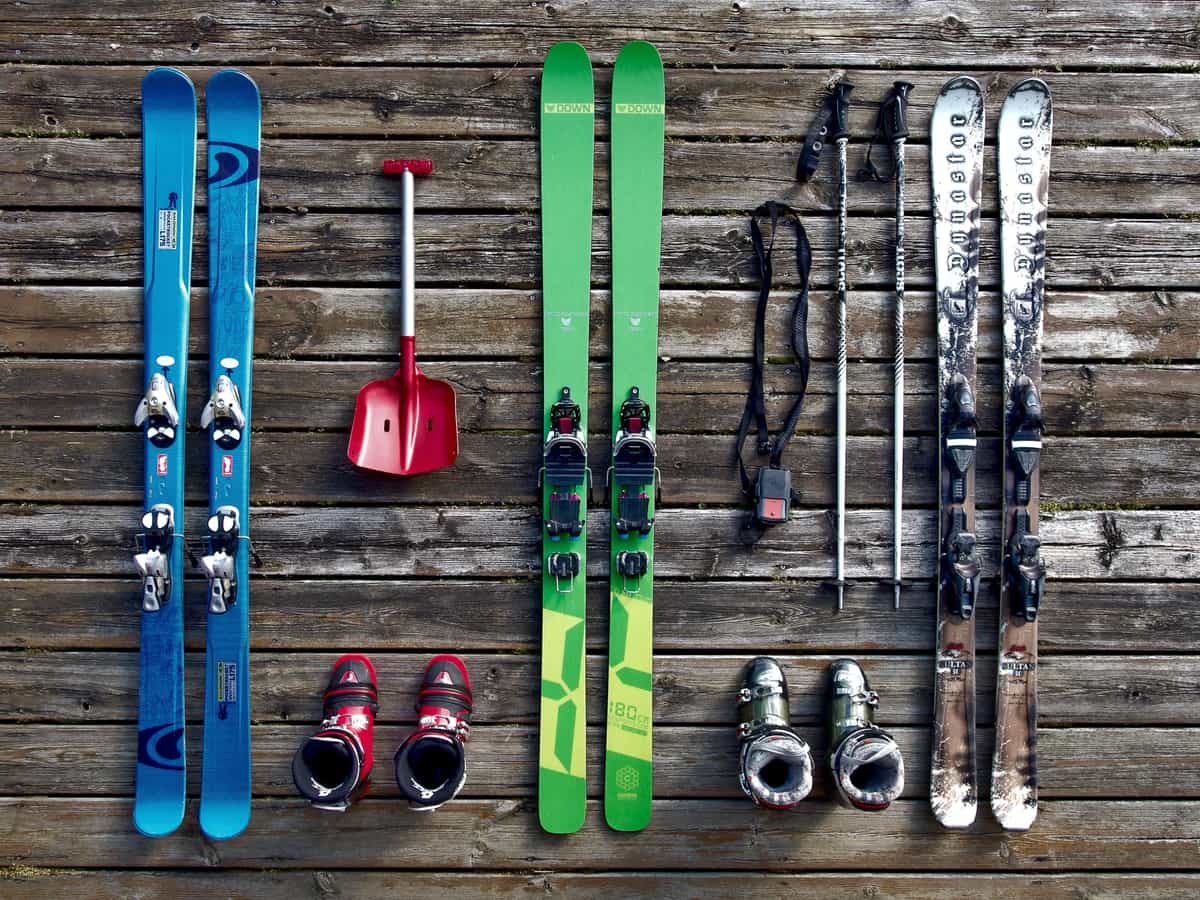
Heated ski socks, and the button you cannot reach
Once the boot is buckled the cuff button is gone. That decides the purchase — plus the boot-fit trap.
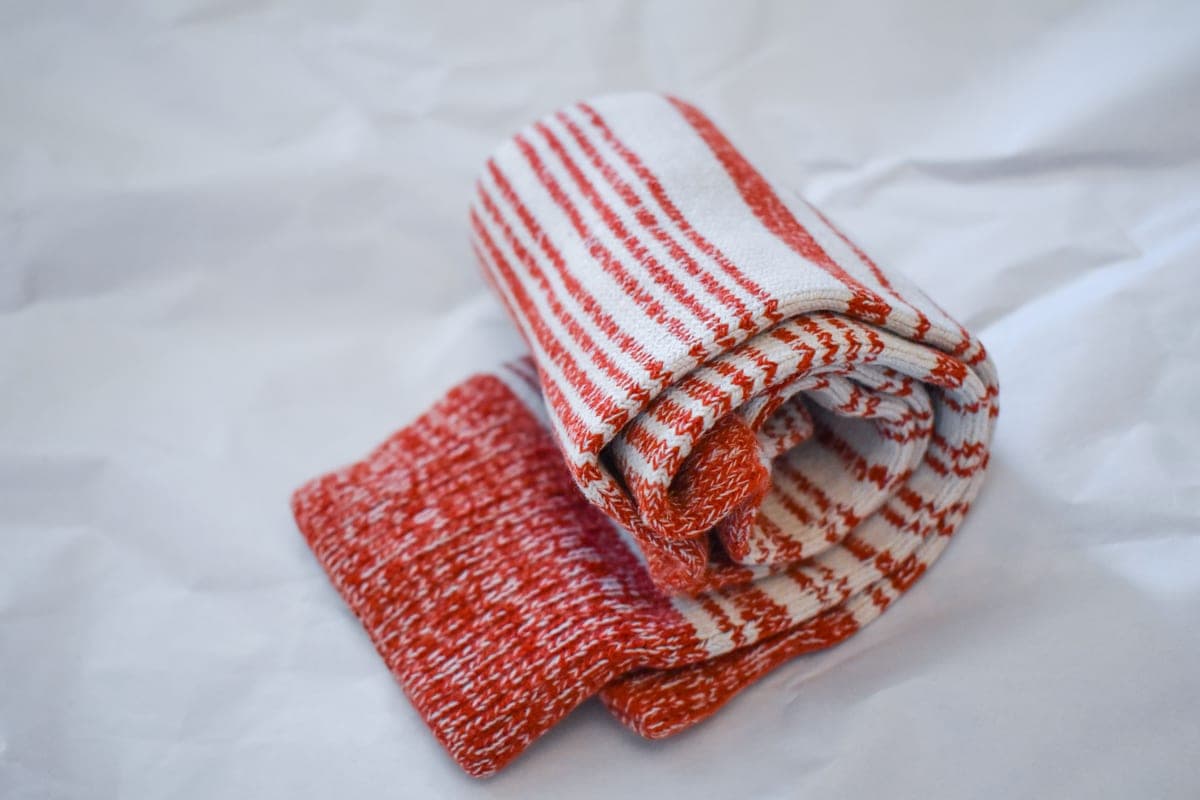
Heated socks or disposable toe warmers?
Control is the real difference: one you can turn down, one runs until it is spent. Plus where the cost crosses over.

SAVIOR HEAT or SNOW DEER?
The two brands behind most heated socks and liners, compared on what they publish. Same voltage, same pack class — the real difference is range, not warmth.

SAVIOR HEAT app-control heated socks: what the app actually buys you
App control on a sock sounds like a gimmick until you are buckled into a ski boot. What it buys, what it does not, and the 16.3 watt-hours behind it.

Lenz heated socks: the only honest runtime table in this category, and the one number they will not give you
A runtime matrix of ranges across four pack sizes and two garment classes - the best disclosure in the category - from the one brand that will not publish a voltage.