Heated gloves carry the least energy and make the biggest claims
Two small packs, one on each wrist, fighting the worst heat-loss geometry on the body. The arithmetic is unforgiving and worth seeing before you spend.
If you need to use your hands for anything precise, skip straight to heated glove liners — they are the format most buyers should start with.
How this is funded: buy links here are tagged and earn us a commission at no extra cost to you. It does not affect what we recommend, and we take no free product and no sponsorship. Read the disclosure.
Our top pick in heated gloves
Gerbing 7V S7 Heated Gloves
Two 3,400 mAh packs is the largest per-hand energy figure on this list, and it still will not get you a full day on high — which tells you most of what you need to know about heated gloves.
A heated glove carries roughly 16 to 24 watt-hours per hand — a fraction of what a heated jacket carries — while fighting the worst heat-loss geometry on the body. That is why glove runtimes are short in practice however long the box claims, and why a thin liner under a good glove often beats a thick heated glove outright.
Fingers are the hardest problem in heated clothing
A finger is a thin cylinder with a large surface area relative to its volume, sitting at the far end of your circulation, usually pointed into moving air. Every one of those facts works against you. The body also constricts blood flow to the extremities first when it starts protecting core temperature, which means your hands get colder precisely when you most need them working.
Against that, a heated glove brings about 16 watt-hours per hand at the liner end of the market and about 24 at the top. A heated jacket carries 38. The gloves have less than half the energy for a harder job, and they are the product most likely to be advertised with a long single-figure runtime.
Verdict first
Quick picks
Tap any row to jump to the full write-up below. The energy column is the pack’s capacity times its voltage — the number this category does not print.
#
Product
Best for
Energy
Price
1
SAVIOR HEATNo photo
SAVIOR HEAT Heated Glove LinersThe most underrated format in heated apparel: a thin heated liner under your existing work glove beats a bulky heated …
Gerbing 7V Women's S7 Heated GlovesThe same electronics as the men's S7 on a last cut for narrower hands, which matters more than it sounds: a heated glo…
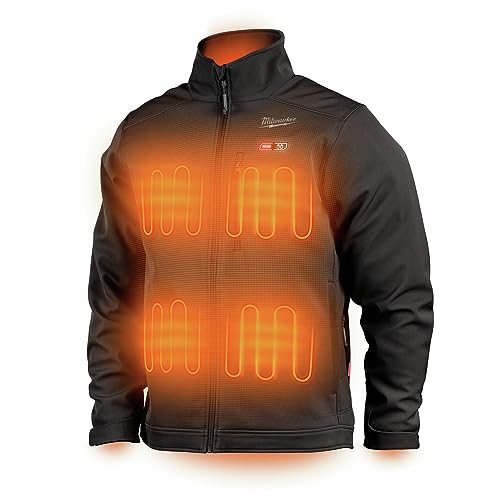
Milwaukee M12 Heated TOUGHSHELL Jacket (204B-20)Built like site clothing rather than outerwear, and the only jacket here whose battery you can swap in seconds because…
#ad — buy links are tagged and earn us a commission at no extra cost to you. Prices come from a live feed; where none is available the button reads “Check price” rather than showing a number we cannot stand behind. How we are funded.
SAVIOR HEATNo photo
#1 · Keeping the gloves you already own
SAVIOR HEAT Heated Glove Liners
The most underrated format in heated apparel: a thin heated liner under your existing work glove beats a bulky heated glove for anyone who has to actually use their hands.
A competent middle option: warmer than a liner, less bulky than the Gerbing, and with the same missing wattage figure as everything else in the category.
Two 3,400 mAh packs is the largest per-hand energy figure on this list, and it still will not get you a full day on high — which tells you most of what you need to know about heated gloves.
On wattage: Gerbing publishes no wattage. It does publish pack capacity and voltage, which is more than most glove makers do and enough for the energy half of the arithmetic.
What we like
The element runs the full length of the fingers, not just across the back of the hand
Largest published per-hand capacity here
Ships with both packs and a dual charger, so there is nothing else to buy
What we do not
No published wattage, so the runtime half of the sum is unavailable from Gerbing alone
Bulky enough that fine work is awkward
Expensive
Who this suits
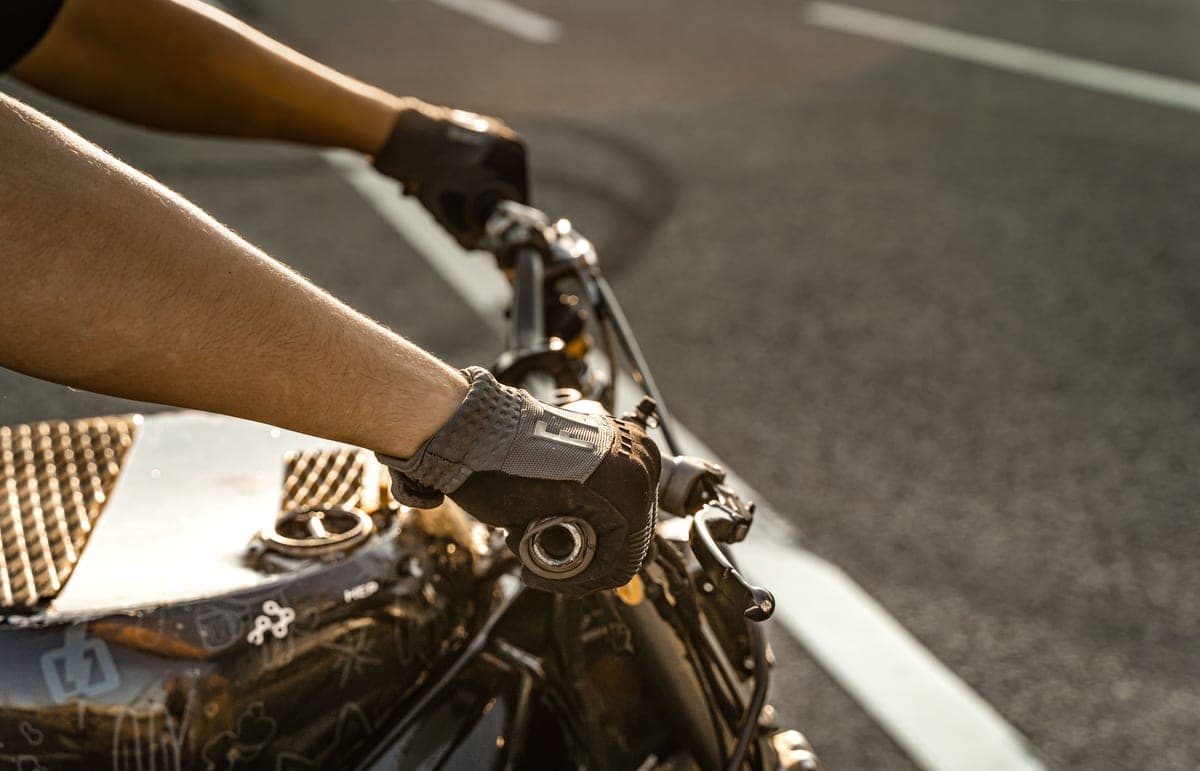
Motorcyclists and anyone whose hands sit in moving air, where the heat is fighting convection rather than still cold.
Who should skip it
You need dexterity. These are warm mitts with fingers, not working gloves — look at liners instead.
Physics before electronics: fingers sharing one chamber lose less heat than fingers in separate ones, so a mitten gets more warmth out of the same watt-hours than a glove does.
#5 · Smaller hands that still want full-finger heat
Gerbing 7V Women's S7 Heated Gloves
The same electronics as the men's S7 on a last cut for narrower hands, which matters more than it sounds: a heated glove that fits badly heats air instead of skin.
On wattage: Milwaukee publishes run-time, not watts. Its own 'up to 8 hours on the REDLITHIUM 2.0' figure plus the pack's published capacity are enough to derive the draw that claim assumes.
What we like
Hot-swappable packs — the only real answer to a short runtime is a second battery, and you already have one
Genuinely durable shell fabric, built for work rather than for a catalog photo
The pack doubles as a tool battery, so nothing in the van is single-purpose
What we do not
The 2.0 Ah pack is small by heated-apparel standards once you convert it honestly
Jacket-only SKUs ship without a battery, which is easy to miss at checkout
Heavier than a soft-shell layer
Who this suits
A trades worker with an M12 kit already in the van, for whom a spare pack costs nothing extra to carry.
Who should skip it
You own no M12 tools. Buying into a tool platform for one jacket is the most expensive route into heated clothing.
The instinct is to buy the thickest heated glove available. For most people that is wrong. A thin heated liner worn inside a glove you already own and already trust gets you three things a heated glove does not: your existing glove's insulation, your existing glove's fit, and the dexterity you had before.
That last one decides purchases. If you cannot pick up a screw, operate a camera or work a zip, the glove comes off — and a heated glove sitting in a pocket is worth exactly nothing. The liner keeps working because it never has to come off. Heated glove liners covers the format properly.
The counter-argument is real: liners carry the smallest packs on this site and have no wind or water protection of their own. If you are stationary in hard cold with no need for your fingers, a heated mitten will genuinely beat a liner, because mitten geometry keeps fingers in one shared warm chamber instead of five separate cold ones.
The arithmetic
Watt-hours, and what they buy
Energy is capacity times nominal voltage. The ceiling draw is the pack’s own published output current times its voltage. The implied draw runs the maker’s advertised hours backwards. Nothing here is measured — check our working.
Product
Capacity
Volts
Energy
Ceiling draw
Shortest runtime
Implied draw at the claim
SAVIOR HEAT Heated Glove Liners
2,200 mAh
7.4 V
16.3 Wh
Not published
Not derivable
No claim published
SAVIOR HEAT 7.4V Heated Gloves
2,200 mAh
7.4 V
16.3 Wh
Not published
Not derivable
No claim published
Gerbing 7V S7 Heated Gloves
3,400 mAh
7 V
23.8 Wh
Not published
Not derivable
No claim published
SAVIOR HEAT Heated Ski Mittens
2,200 mAh
7.4 V
16.3 Wh
Not published
Not derivable
No claim published
Gerbing 7V Women's S7 Heated Gloves
3,400 mAh
7 V
23.8 Wh
Not published
Not derivable
No claim published
Milwaukee M12 Heated TOUGHSHELL Jacket (204B-20)
2,000 mAh
10.8 V
21.6 Wh
Not published
Not derivable
2.7 Wat 8 h maker's headline claim
“Not derivable” means the manufacturer does not publish the figure the sum needs. We leave it blank rather than estimating it, borrowing a number from a similar model, or rounding one into existence. These are ceilings, not promises: cold, wind, movement and pack age all push real runtime below them. Run your own numbers.
What to check before buying
Where the element runs. Back-of-hand only is common and cheap. Full-finger elements cost more and are the only version that addresses the part that is actually cold.
Whether the pack capacity is published anywhere. Often it is not on the glove page but is on the maker's replacement-battery listing — which is how we sourced most of the figures here.
Whether spare packs are cheap and available. In this category the pack fails long before the glove does, and a glove whose battery you cannot replace is a two-season purchase.
Fit. A heated glove that is too big heats air. Nothing about the electronics compensates for that, and it is the single most common reason people say heated gloves do not work.
How long do heated gloves last on the highest setting?
Less than the box implies. The packs here run 16 to 24 watt-hours per hand, and the makers do not publish the draw, so we mark the exact hours not derivable rather than estimating them. What we can say is that a glove carries under half the energy of a heated jacket, and jacket claims already collapse to two or three hours on high.
Are heated glove liners better than heated gloves?
For anyone who needs their fingers, usually yes. A liner adds heat to a glove you already trust, keeping its insulation, its fit and your dexterity. For stationary cold with no dexterity requirement, a heated mitten will be warmer.
Why do my heated gloves feel warm on the back of my hand but not my fingertips?
Because on most designs that is where the element is. Back-of-hand-only elements are the cheap standard; full-finger elements cost more and are the only ones that heat the part that goes numb. Check the element diagram before buying, not after.
Can I replace the batteries in heated gloves?
On the mainstream brands, yes, and you should plan to. Lithium packs lose capacity with every cycle and the pack will give out long before the glove does. Check that replacements are stocked and affordable before you buy the glove — that is what determines how many winters it lasts.
Do heated gloves work for motorcycling?
That is the use case they suit best, because the heat is fighting constant convective loss from moving air rather than still cold. Look for full-finger elements and the largest published capacity you can find, and expect to run them on high.