Two multiplications and one division separate a marketing claim from a runtime you can plan around. Nobody in this category publishes them, so we do.
Skip the reading and put your own numbers in: the runtime calculator does the arithmetic on this page in one screen.
How this is funded: buy links here are tagged and earn us a commission at no extra cost to you. It does not affect what we recommend, and we take no free product and no sponsorship. Read the disclosure.
Our top pick in battery & power
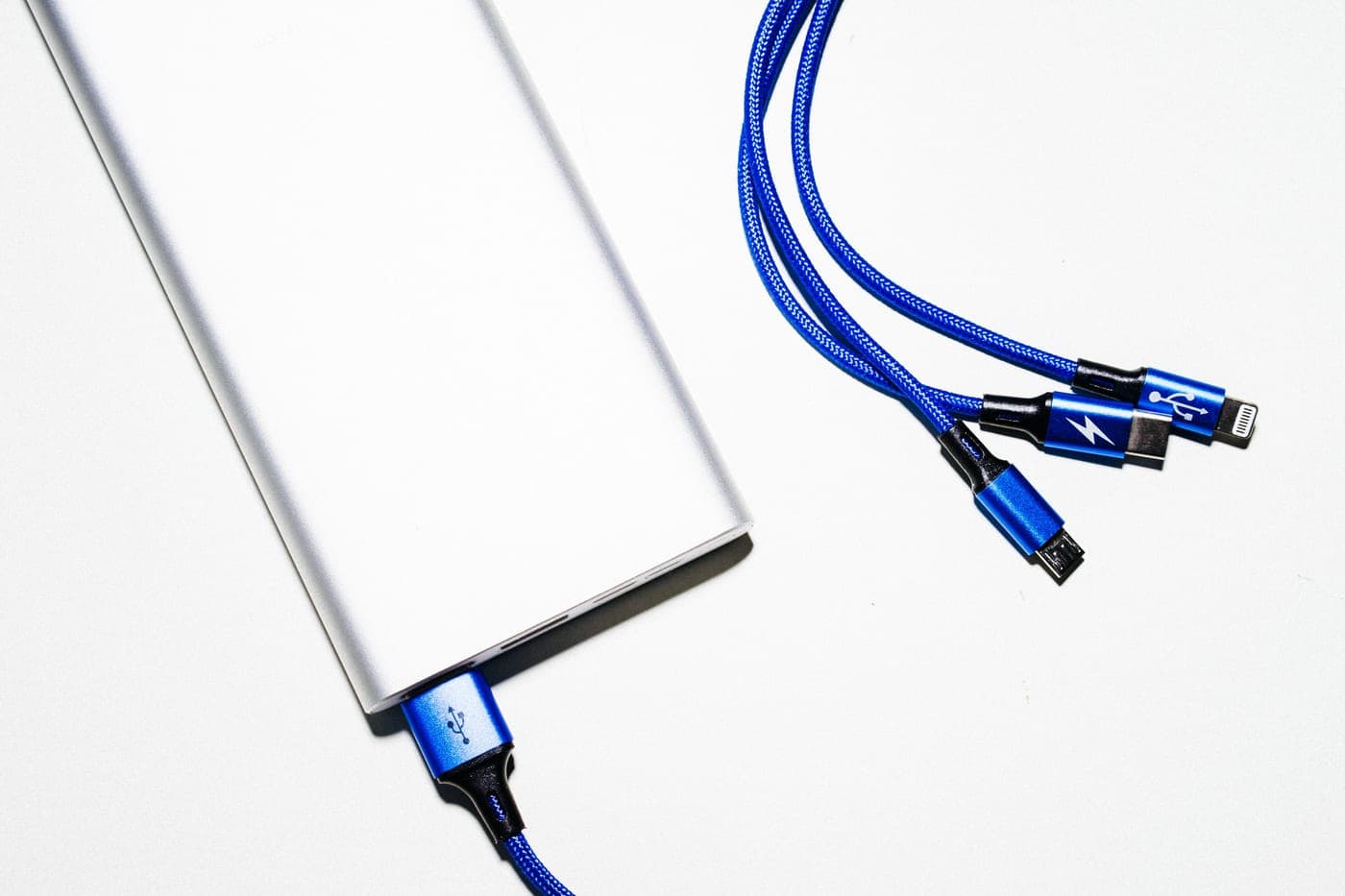
ororo PD 7K Rechargeable Battery for Heated Apparel
7,000 mAh of LG cells with a published 13.5-hour claim and a six-mark certification list — the biggest step up available to an ororo owner, because the larger PD 10K is not sold through this retailer.
Watt-hours are the only honest measure of a heated garment's battery: Wh = (mAh ÷ 1000) × volts. Runtime is Wh ÷ watts drawn. Makers publish mAh and voltage but not draw, then advertise the lowest setting's hours — so the conversion has to be done by the buyer, and this hub does it.
The two lines of arithmetic this whole site rests on
Capacity in milliamp-hours tells you almost nothing on its own, because it is only half of an energy figure. Two packs can both say 5,000 mAh and hold wildly different amounts of energy if they run at different voltages. The energy figure is watt-hours:
Work a real one. A 7.4 V, 5,200 mAh pack — the most common configuration in heated apparel — holds 38.5 watt-hours. The same maker publishes a 2.5 A output rating for that pack, so the most it can deliver is 7.4 × 2.5 = 18.5 watts. Divide: 38.5 ÷ 18.5 is a little over two hours. That is the shortest runtime physically available from that pack, derived entirely from figures the maker chose to publish.
Running the claim backwards
Because draw is the unpublished input, the useful move is to invert the advertised runtime. If a maker says a 37.6 Wh pack gives "up to 10 hours", then the claim assumes a draw of 37.6 ÷ 10 = 3.8 watts. If Milwaukee says its jacket runs up to 8 hours on a 2.0 Ah M12 pack, that is 21.6 watt-hours at the platform's 10.8 V nominal, so the claim assumes 2.7 watts.
Those are small numbers, and they are the point. The advertised hours are not describing the setting you will use. They describe a trickle. Everything on this site follows from putting that figure next to the setting people actually run.
Verdict first
Quick picks
Tap any row to jump to the full write-up below. The energy column is the pack’s capacity times its voltage — the number this category does not print.
#
Product
Best for
Energy
Price
1
ororo Men's Soft Shell Heated JacketThe clearest power story in the category: ororo publishes capacity and voltage for every pack it sells, so you can wor…
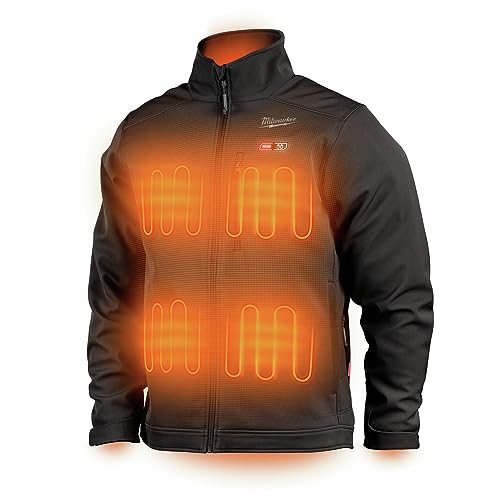
Milwaukee M12 Heated TOUGHSHELL Jacket (204B-20)Built like site clothing rather than outerwear, and the only jacket here whose battery you can swap in seconds because…
ororo PD 7K Rechargeable Battery for Heated Apparel7,000 mAh of LG cells with a published 13.5-hour claim and a six-mark certification list — the biggest step up availab…
Third-Party 7.4V 16,000mAh Heated Apparel BatteryThe largest capacity on this page by a wide margin, and the one we are most careful about: a third-party pack with a b…
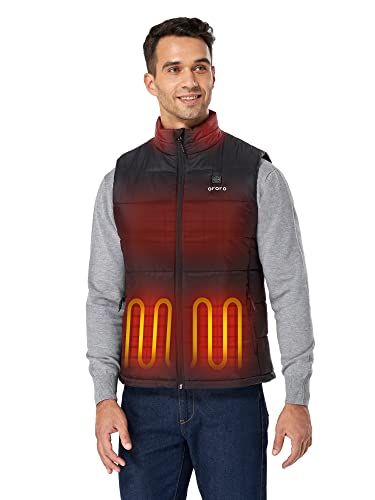
ororo Men's 4-Zone USB-C Heated Puffer VestUSB-C matters more than it sounds: the pack recharges from the same brick as your phone and your laptop, which removes…
Venustas Unisex Dual-Control Heated JacketMore heating elements than anything else at the price, which cuts both ways: the same pack energy is divided further, …
#ad — buy links are tagged and earn us a commission at no extra cost to you. Prices come from a live feed; where none is available the button reads “Check price” rather than showing a number we cannot stand behind. How we are funded.
#1 · A first heated jacket
ororo Men's Soft Shell Heated Jacket
The clearest power story in the category: ororo publishes capacity and voltage for every pack it sells, so you can work out what you are getting instead of taking a marketing number on faith.
On wattage: ororo publishes no wattage for the garment. It does publish hours for each of the three settings, which states the draw whether it meant to or not.
What we like
ororo publishes capacity AND voltage for every pack, which almost nobody else in this category does
Per-setting runtime claims rather than one 'up to' number, so the low-to-high spread is visible before you buy
Soft-shell cut layers under a work coat without bulk
What we do not
No published wattage for the garment itself
Three zones only — nothing at the arms or the kidneys
The headline runtime figure is the low setting, as it is everywhere
Who this suits
Someone standing still outdoors for two to four hours at a stretch who wants the power figures on the table before buying.
Who should skip it
You need heat for a full eight-hour shift on high. No 38 Wh pack does that, and this one does not claim to.
On wattage: Milwaukee publishes run-time, not watts — but it publishes all three settings, which is more than most of this category manages. The 12/6/3 pattern is a clean doubling of draw at each step. Milwaukee does not state which M12 pack those hours assume, so the resulting wattage is a shape rather than a fixed figure.
On the pack: Sold bare. The live listing title reads "Jacket Only" — no pack and no charger in the box. That is the right buy if you already run M12 and the wrong one if you do not. See [which garments include a battery](/battery/battery-included-or-separate).
What we like
Hot-swappable packs — the only real answer to a short runtime is a second battery, and you already have one
Genuinely durable shell fabric, built for work rather than for a catalog photo
The pack doubles as a tool battery, so nothing in the van is single-purpose
What we do not
The 2.0 Ah pack is small by heated-apparel standards once you convert it honestly
Jacket-only SKUs ship without a battery, which is easy to miss at checkout
Heavier than a soft-shell layer
Who this suits
A trades worker with an M12 kit already in the van, for whom a spare pack costs nothing extra to carry.
Who should skip it
You own no M12 tools. Buying into a tool platform for one jacket is the most expensive route into heated clothing.
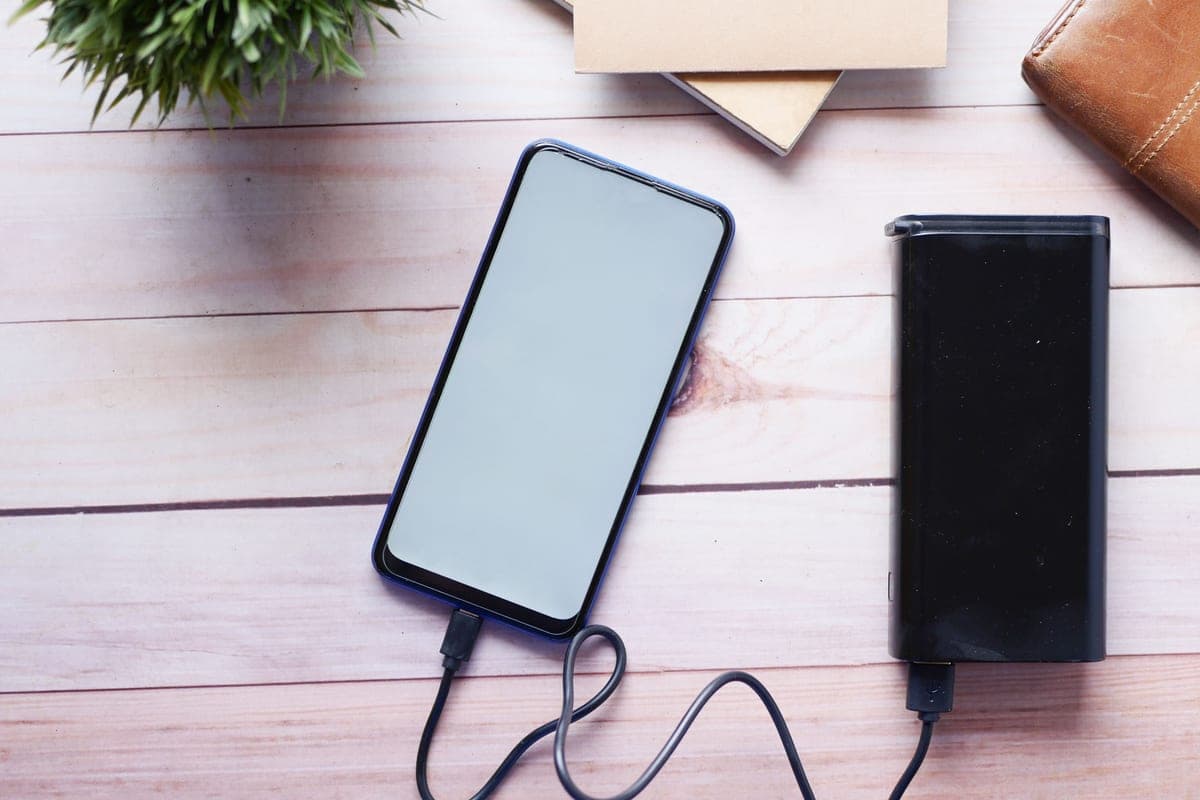
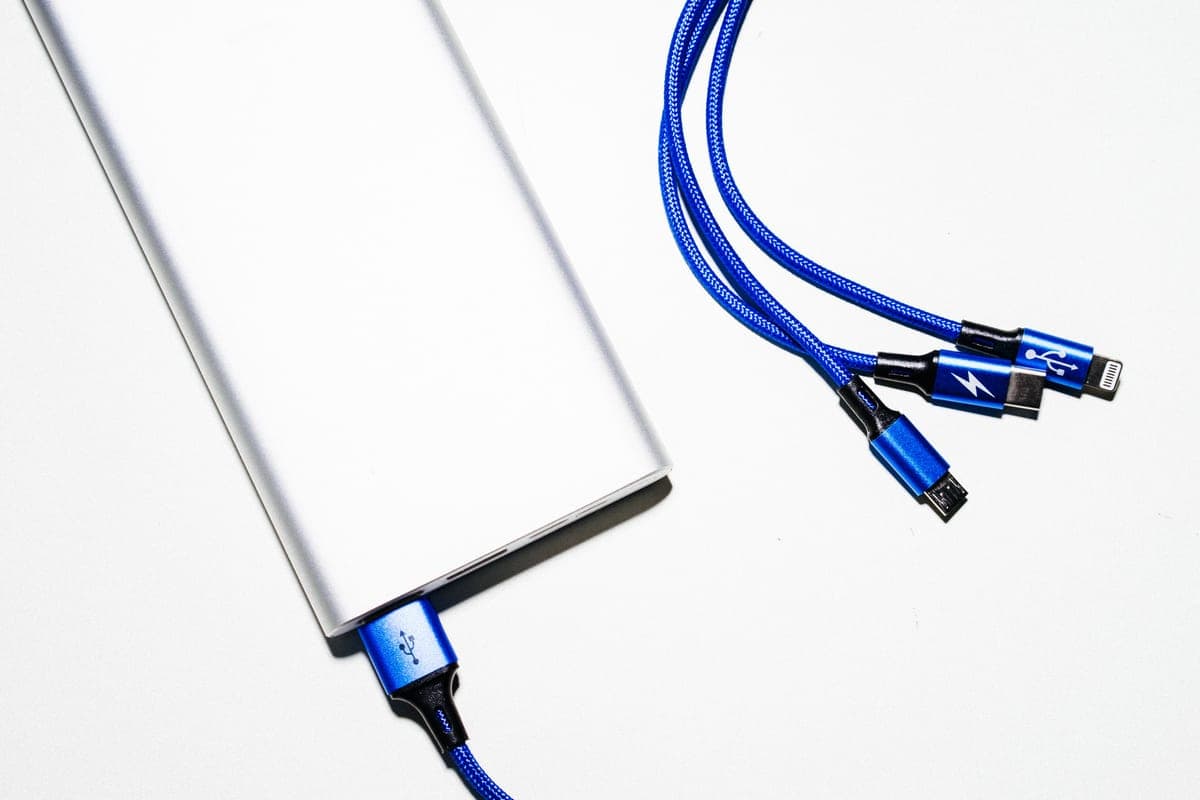
ororo PD 7K Rechargeable Battery for Heated Apparel
7,000 mAh of LG cells with a published 13.5-hour claim and a six-mark certification list — the biggest step up available to an ororo owner, because the larger PD 10K is not sold through this retailer.
Not washable — remove before laundering the garment
On wattage: No garment wattage is published, but this pack states its own delivery figures: "up to 24W input" and "30W output". The 30 W output is a ceiling for charging devices rather than a figure any ororo garment draws — inverting the 13.5-hour claim against about 50.9 Wh gives roughly 3.8 W, which is the draw that claim actually assumes.
On the pack: Worth reading the voltage twice. This pack's own product page gives "7.27V", while ororo's battery guide lists the PD 7K at 7.4 V. At 7.27 V the 7,000 mAh works out to about 50.9 Wh; at 7.4 V it is 51.8 Wh. We use the figure printed on the product page itself and note the 2% disagreement rather than quietly picking the flattering one.
What we like
The largest ororo pack actually purchasable here — roughly 43% more energy than the Mini 5K that ships with several ororo garments
ororo publishes a real certification list, with UL2056 printed on the casing
USB-C in and out at 30 W means it doubles as a fast phone bank
Three-hour full recharge is quick for this capacity
What we do not
ororo's own two pages disagree on the voltage — 7.27 V on the product page, 7.4 V in the battery guide
No watt-hour figure printed for this pack, unlike ororo's Mini 5K and PD 5K pages
The larger PD 10K exists in ororo's lineup but is not sold through this retailer
Costs a meaningful fraction of a whole garment, which is the usual complaint about spare packs
Who this suits
An ororo owner whose garment shipped with a Mini 5K and who has discovered that the battery, not the jacket, is what ends their day.
Who should skip it
Your garment already ships a PD 5K or larger and your days are short. The jump from 37.5 Wh to 50.9 Wh is real but it is not transformative.
The largest capacity on this page by a wide margin, and the one we are most careful about: a third-party pack with a big number on it deserves more skepticism than a brand pack with a small one.
On wattage: No published wattage and no published output current, which means we cannot even state the pack's own delivery ceiling.
On the pack: Third-party capacity claims are not independently verified by anyone, including us. The watt-hour figure below is arithmetic on the seller's own numbers — it is not a measurement of the pack.
What we like
If the claim holds, roughly three times the energy of the pack most jackets ship with
An LED display means you know where you stand before you go out
Adapter cables cover the common garment connectors
What we do not
Third-party capacity claims are unverified by definition
No published output current, so the delivery ceiling is unknown
A pack this large deserves a certification you can look up, and this one's is not clearly stated
Who this suits
Someone whose jacket genuinely dies mid-shift and who has already weighed the trade-off.
Who should skip it
You are not comfortable buying an unverified capacity claim from a third party. That is the right instinct and we share it.
USB-C matters more than it sounds: the pack recharges from the same brick as your phone and your laptop, which removes the proprietary-charger failure mode entirely.
On wattage: No published wattage. ororo does publish the pack's capacity, voltage and output current, which is three more useful numbers than most of this category prints.
What we like
USB-C recharge kills the proprietary-brick problem, which is the most common way these packs get abandoned in a drawer
Puffer insulation means the vest is warm before you switch anything on
Published capacity, voltage and output amps — unusually complete for this category
What we do not
Puffer bulk is real under a fitted coat
Four zones on a 37.6 Wh pack is a thinner spread than three zones on the same energy
Still no wattage figure
Who this suits
Someone who travels with the vest and does not want a second charger in the bag.
Who should skip it
You need it to disappear under a slim shell. It will not.
Two zones instead of the jacket's three, and Milwaukee's own numbers say it runs out in a third of the time — which is the tell that its elements pull harder. If you want heat rather than hours, this is the M12 garment that delivers it.
On wattage: Milwaukee publishes no wattage, but it publishes hours for all three settings — and the 8/4/2 pattern is a clean doubling of draw at each step. On a 2.0 Ah pack that inverts to roughly 2.7 W, 5.4 W and 10.8 W. Milwaukee does not state which pack those hours assume, so treat them as a shape rather than a fixed figure.
What we like
The shortest claimed high-setting runtime in the M12 line, which on fixed pack energy is the arithmetic signature of the most heat
A vest layers under the work coat you already own, so your coat does the insulating and the battery only tops up
Runs off the same packs as your tools — the runtime problem becomes a ten-second swap
What we do not
Two hours on high is genuinely short, and it is Milwaukee's own figure rather than our estimate
No wattage published, and no pack named for the runtime claims
Two zones means nothing at the shoulders, which the AXIS jacket does cover
Who this suits
Someone on M12 who is cold rather than impatient — standing still in hard cold, with spare packs in the van and a coat to wear over it.
Who should skip it
You want to set it and forget it for a shift. On high this is a two-hour garment by Milwaukee's own reckoning, and no amount of layering changes that.
More heating elements than anything else at the price, which cuts both ways: the same pack energy is divided further, and Venustas does not publish the wattage that would tell you by how much.
Neck, left and right chest, mid-back, both hand pockets
Settings
Three, with the upper and lower circuits controlled separately
Care
Machine washable with the battery removed
On wattage: No published wattage. One 'up to 10 hours' figure with no setting attached, which is the least informative form the claim can take.
On the pack: Venustas ships a 7.4 V pack and advertises up to 10 hours. The capacity varies by SKU and is not published consistently, so treat the watt-hour figure here as approximate and check the listing for the pack you are actually buying.
What we like
Dual control is genuinely useful — pocket heat is what you want standing still, core heat is what you want moving
Six zones reach the neck, which most three-zone jackets leave cold
Detachable hood, so it layers under a shell
What we do not
No published wattage and no per-setting runtime, so the power story is one unqualified number
Pack capacity is not stated consistently across SKUs sold under similar names
More zones on the same pack is not more heat — it is the same heat spread thinner
Who this suits
Someone who wants pocket heat and core heat on separate switches and is buying on coverage rather than runtime.
Who should skip it
You want to know what you are buying in watt-hours before you buy it. On this jacket you cannot, and we are not going to pretend otherwise.
The same two-zone layout and the same 8/4/2 hours as the AXIS vest, wrapped in a sweatshirt — which makes it the M12 garment you can wear somewhere other than a job site without looking like you came straight from one.
On wattage: No published wattage. The 8/4/2 hours are identical to the AXIS vest's, which suggests the same element output in a different shell — but Milwaukee publishes nothing that would confirm it, so we note the coincidence rather than asserting a cause.
What we like
Cotton-blend face is far more comfortable against a shirt than a technical shell
Same M12 pack as everything else in the van
The hood is the only one in the heated line that layers under a hard hat comfortably
What we do not
Almost no wind or water resistance — it is a sweatshirt with elements in it
Two zones, and no shoulder coverage
Hoodie-only SKUs ship without a pack, which is easy to miss at checkout
Who this suits
Anyone cold in a shop, a warehouse or a cold cab who wants the M12 platform without the outerwear silhouette.
Who should skip it
You will be standing in wind. Put a shell over it or buy the TOUGHSHELL, because this fabric will not hold the heat the battery is making.
Tool-platform garments introduce a wrinkle worth knowing. In the US, lithium packs are commonly labeled with their peak charge voltage rather than their working voltage. DEWALT prints the distinction on its own packaging: "Maximum initial battery voltage (measured without a workload) is 20 volts. Nominal voltage is 18."
So a "20V MAX" 2.0 Ah pack is 18 × 2.0 = 36 watt-hours, not 40. An M12 2.0 Ah pack is 10.8 × 2.0 = 21.6 watt-hours, not 24. Using the label voltage overstates the energy by about 11% every time. It is a small error that compounds across every comparison you make, and it is why the figures on this site use nominal voltage throughout. Wattage explained works through it in full.
The arithmetic
Watt-hours, and what they buy
Energy is capacity times nominal voltage. The ceiling draw is the pack’s own published output current times its voltage. The implied draw runs the maker’s advertised hours backwards. Nothing here is measured — check our working.
Product
Capacity
Volts
Energy
Ceiling draw
Shortest runtime
Implied draw at the claim
ororo Men's Soft Shell Heated Jacket
5,200 mAh
7.4 V
38.5 Wh
18.5 W
2h 05m
15.4 Wat 2.5 h high
Milwaukee M12 Heated TOUGHSHELL Jacket (204B-20)
2,000 mAh
10.8 V
21.6 Wh
Not published
Not derivable
7.2 Wat 3 h high
ororo PD 7K Rechargeable Battery for Heated Apparel
7,000 mAh
7.4 V
51.8 Wh
22.2 W
2h 20m
3.8 Wat 13.5 h maker's headline claim, with ororo apparel
Third-Party 7.4V 16,000mAh Heated Apparel Battery
16,000 mAh
7.4 V
118.4 Wh
Not published
Not derivable
No claim published
ororo Men's 4-Zone USB-C Heated Puffer Vest
5,075 mAh
7.4 V
37.6 Wh
18.5 W
2h 02m
3.8 Wat 10 h maker's headline claim
Milwaukee M12 Heated AXIS Vest
2,000 mAh
10.8 V
21.6 Wh
Not published
Not derivable
10.8 Wat 2 h high
Venustas Unisex Dual-Control Heated Jacket
5,000 mAh
7.4 V
37.0 Wh
Not published
Not derivable
3.7 Wat 10 h maker's headline claim
Milwaukee M12 Heated Hoodie
2,000 mAh
10.8 V
21.6 Wh
Not published
Not derivable
10.8 Wat 2 h high
“Not derivable” means the manufacturer does not publish the figure the sum needs. We leave it blank rather than estimating it, borrowing a number from a similar model, or rounding one into existence. These are ceilings, not promises: cold, wind, movement and pack age all push real runtime below them. Run your own numbers.
Watt-hours are also how the FAA thinks
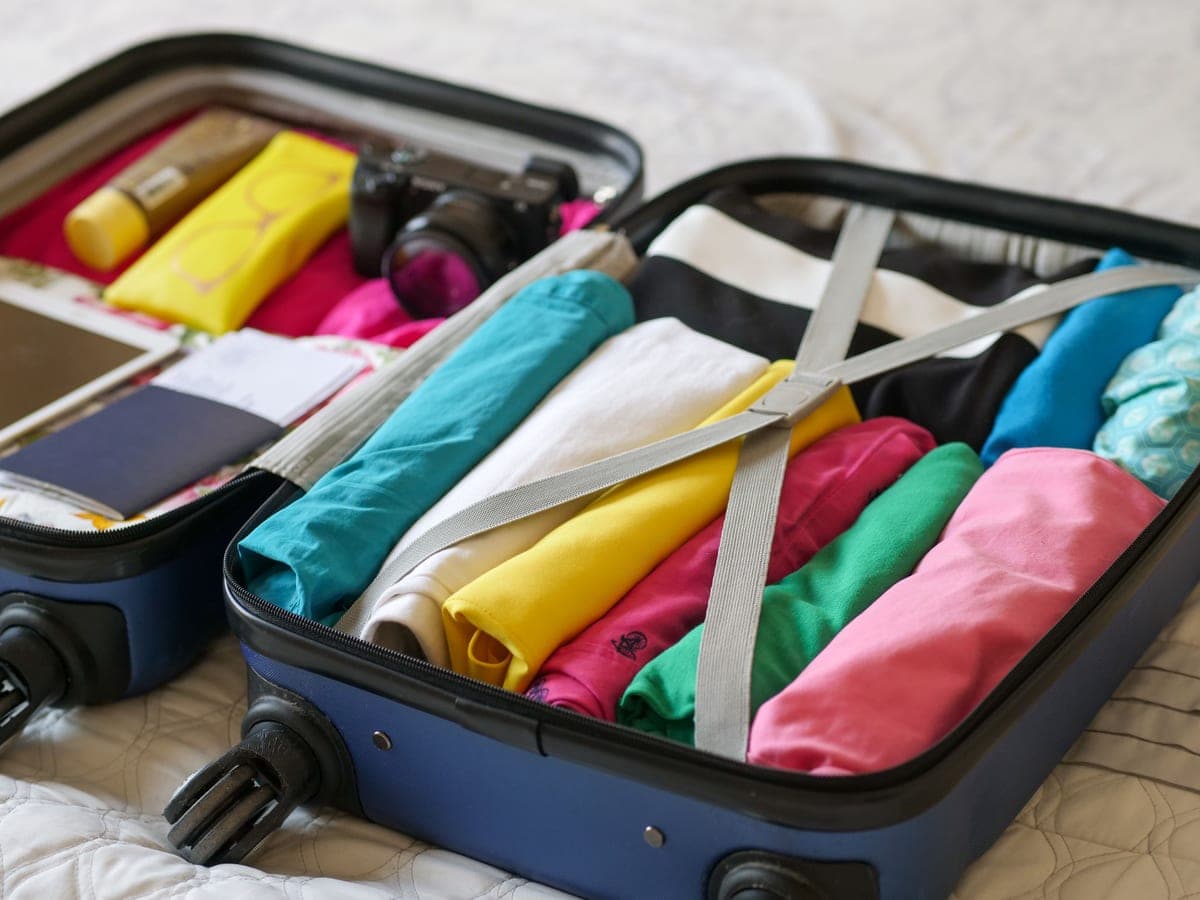
There is a practical reason to learn this conversion that has nothing to do with shopping. The FAA writes its baggage limits in watt-hours: packs at or below 100 Wh travel freely in carry-on, 101 to 160 Wh need airline approval, and above 160 Wh is forbidden. Manufacturers publish milliamp-hours. Which means a traveler literally cannot check whether their pack is compliant without doing the conversion first.
The good news is that every heated apparel pack we have converted sits comfortably under the 100 Wh line — the largest published capacity in the category works out to about 75 Wh. Flying with heated clothing batteries has the full table and the rules.
We read the live listing title for every garment on this site and sorted them: says it includes a pack, says it does not, does not say. Two popular picks are bare.
A second pack is the cheapest real upgrade here. Every capacity claim converted to watt-hours, with the airline band attached — including the class that quietly stops being carry-on legal.
Top pick: ororo PD 7K Rechargeable Battery for Heated Apparel
Divide the milliamp-hours by 1,000 to get amp-hours, then multiply by the pack's nominal voltage. A 5,200 mAh pack at 7.4 V is 5.2 × 7.4 = 38.5 watt-hours. Use nominal voltage, not the number on the label, if the two differ.
Why don't heated clothing makers publish wattage?
We cannot tell you their reasoning, only what the effect is: without a draw figure, the buyer cannot convert a battery into hours and has to accept the maker's chosen runtime number instead. Nine competitors were fetched while researching this site and not one of them publishes the draw either.
Is a higher mAh battery always better?
Only at the same voltage. Milliamp-hours are half of an energy figure, so a 5,000 mAh pack at 7.4 V holds more energy than a 5,000 mAh pack at 3.7 V — nearly twice as much. Compare watt-hours, never milliamp-hours.
Why is my heated jacket's real runtime shorter than the box says?
Three reasons stack up. The advertised figure is the lowest setting. Cold reduces usable lithium capacity. And the pack ages, losing capacity with every charge cycle. The arithmetic on this page gives you a ceiling, not a promise — real runtime lands below it.
Can I use a bigger battery to get longer runtime?
Yes, provided the voltage and connector match. More watt-hours at the same voltage runs the same elements for longer. It does not make them hotter — that is set by the garment's draw, not by the pack.