Skip to content
Volt Wool
Compare

Head-to-heads that end in a decision

Every comparison here finishes with a rule you can apply, not a summary that lists both options and wishes you luck.

How this is funded: buy links here are tagged and earn us a commission at no extra cost to you. It does not affect what we recommend, and we take no free product and no sponsorship. Read the disclosure.

Two pairs of winter gloves side by side on a pale blush surface in flat daylight.

Why most comparison pages are useless

The standard format is a table of features, a paragraph of hedging, and a conclusion that says both are great and it depends on your needs. That is not a comparison. It is a refusal to compare, dressed up as balance.

The pages here do the opposite. Each one opens with the answer, states the two or three questions that would change it, and then shows the arithmetic that got us there. Where the answer genuinely does depend on something, we name the something — your boot fit, your existing coat, whether you already own a tool platform — rather than gesturing at 'your needs'.

The comparison that matters most

If you read one page in this section, make it jacket versus vest. It is the decision almost everyone in this category faces first, most people get it backwards, and getting it right saves money as well as improving the outcome.

The short version: a vest runs the same battery into the same chest and back elements as a jacket, with far less fabric to warm, and it layers under a coat you already own so your coat's insulation does work the battery would otherwise have to do. Buy the jacket when you specifically want the heated garment to be your outer layer.

Where the arithmetic changes the answer

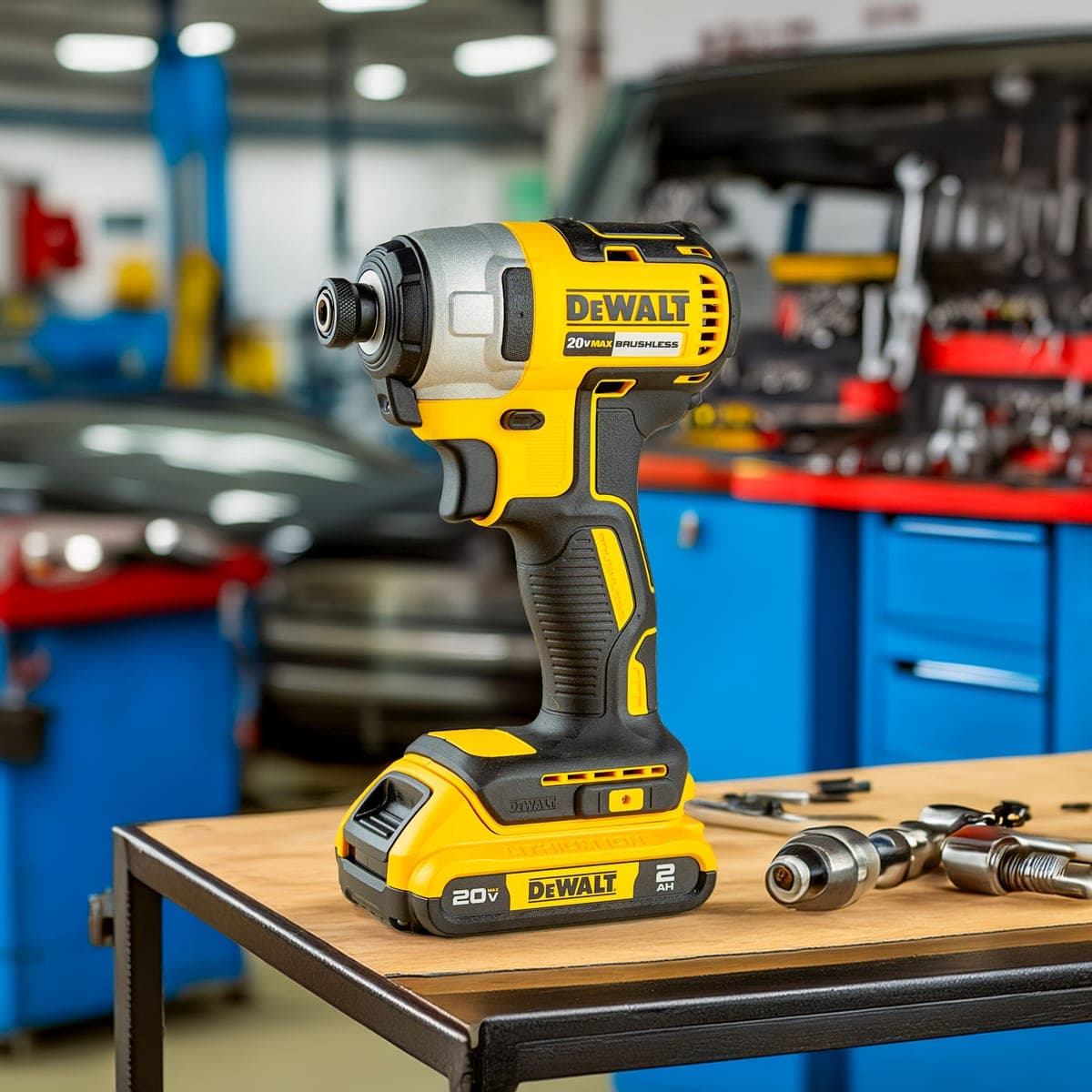
Two comparisons here turn on numbers rather than preference. Milwaukee M12 versus DEWALT 20V MAX looks like a brand question and is actually a labeling question: both platforms quote peak charge voltage, so converting honestly at nominal voltage shows a 66% energy gap the boxes obscure.

And ororo versus Venustas turns on disclosure rather than product quality. One brand publishes capacity, voltage and output current for every pack it sells; the other publishes a voltage and an 'up to' figure. Which you prefer says something about how you like to buy things.

Everything here

All compare

Questions

Frequently asked

Should I buy a heated jacket or a heated vest?
A vest, in most cases. It runs the same battery into the same core zones, costs less, leaves your arms free, and layers under a coat you already own — which means your coat provides the insulation instead of the battery having to replace it.
Are heated socks better than disposable toe warmers?
For regular use yes, because you can turn them down, turn them off and recharge them. A chemical warmer runs at one output until it is spent. For a handful of cold days a year the disposables are simpler and cheaper.
Which tool battery platform is best for heated clothing?
Whichever you already own — the whole advantage is having charged spares already. On raw energy, a 20V MAX 2.0 Ah holds 36 watt-hours against the M12 2.0 Ah's 21.6, but that rarely outweighs owning the platform.
Is ORORO or Venustas better?
Venustas gives you more heating zones and dual controls. ororo publishes the capacity, voltage and output current of every pack, and breaks its runtime claim out per setting, so you can check it. For a first purchase we would take the verifiability.


Where next