Heated jacket or heated hoodie?
The electronics are interchangeable. The shell is not — and that single difference answers the question for almost everyone.
By Scooter M. · Published September 6, 2026
How this is funded: buy links here are tagged and earn us a commission at no extra cost to you. It does not affect what we recommend, and we take no free product and no sponsorship. Read the disclosure.
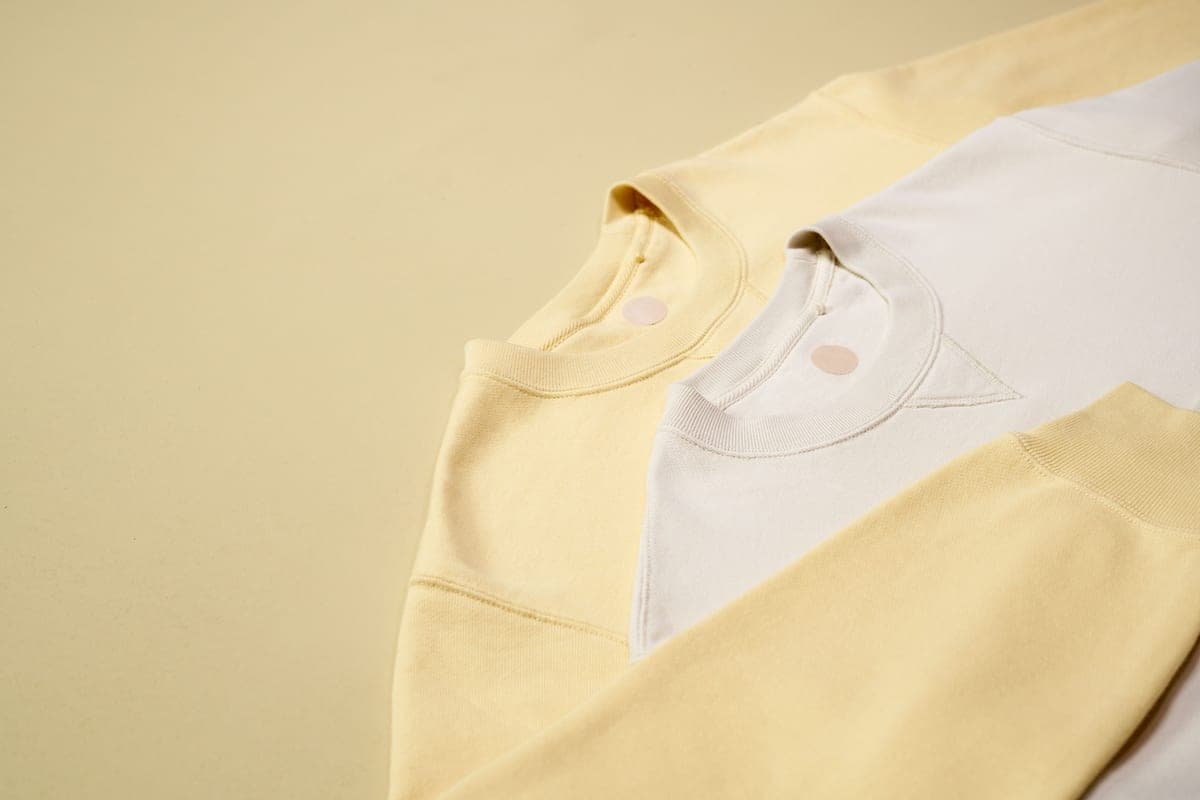
Buy the jacket if the heated garment has to be your outer layer in wind or wet. Buy the hoodie if it will be worn indoors, in a vehicle, or under a coat you already own. They run the same elements off the same class of pack — the shell fabric is the entire difference, and it decides everything.
One question settles it
| Question | If yes | If no |
|---|---|---|
| Will the heated garment be your outermost layer, outdoors, in moving air? | Jacket. A hoodie has no windproof membrane and will lose heat about as fast as the elements make it. | Hoodie. In still air the shell is doing nothing for you anyway, and the hoodie is more comfortable. |
| Do you already own a coat you like? | Hoodie, worn underneath. Your coat blocks the wind and insulates; the hoodie only tops up the heat. | Jacket — it replaces two purchases with one. |
| Do you want warm hands from the same garment? | Hoodie, but only the models with heated hand pockets. Very few jackets include them. | Either. |
The first row does most of the work. If the heated layer faces the weather, it needs a shell — everything else is preference.
They are the same product underneath
This surprises people who assume the jacket is the serious purchase and the hoodie is a novelty. It is not. A heated jacket and a heated hoodie from the same maker typically use the same carbon fiber element type, the same controller and the same 7.4 V class pack — often literally the same battery, interchangeable between the two garments.
So the comparison has nothing to do with heating capability and everything to do with what the fabric does with the heat once it exists.
Quick picks
Tap any row to jump to the full write-up below. The energy column is the pack’s capacity times its voltage — the number this category does not print.
| # | Product | Best for | Energy | Price |
|---|---|---|---|---|
| 1 |  ororo Men's Soft Shell Heated JacketThe clearest power story in the category: ororo publishes capacity and voltage for every pack it sells, so you can wor… | A first heated jacket | 38.5 Wh | $159.99View on Amazon |
| 2 |  ororo Unisex 5-Zone Heated Pullover HoodieFive heating zones is the widest coverage on any hoodie here, and the arithmetic is the reason to think twice: it is t… | The most zones on a hoodie | 37.6 Wh | Check price on Amazon |
| 3 |  Milwaukee M12 Heated HoodieThe same two-zone layout and the same 8/4/2 hours as the AXIS vest, wrapped in a sweatshirt — which makes it the M12 g… | Heat that does not read as workwear | 21.6 Wh | $204.99View on Amazon |
| 4 |  Venustas Unisex Pullover Heated HoodieA heated mid-layer rather than a coat, which is the right call for anyone whose cold problem is a drafty warehouse rat… | Heat that does not look like workwear | 37.0 Wh | $129.99View on Amazon |
#ad — buy links are tagged and earn us a commission at no extra cost to you. Prices come from a live feed; where none is available the button reads “Check price” rather than showing a number we cannot stand behind. How we are funded.
ororo Men's Soft Shell Heated Jacket
The clearest power story in the category: ororo publishes capacity and voltage for every pack it sells, so you can work out what you are getting instead of taking a marketing number on faith.
The numbers
- Energy
- 38.5 Wh
- Pack
- 7.4 V, 5,200 mAh (ororo B19G)
- Published output
- 2.5 A
- Heat zones
- 3
- Maker's runtime claim
- 8-10 h low / 5-6 h medium / 2-3 h high
- Heat zones
- Left and right chest, mid-back
- Settings
- Three, cycled from a single chest button
- Care
- Machine washable with the battery removed
On wattage: ororo publishes no wattage for the garment. It does publish hours for each of the three settings, which states the draw whether it meant to or not.
What we like
- ororo publishes capacity AND voltage for every pack, which almost nobody else in this category does
- Per-setting runtime claims rather than one 'up to' number, so the low-to-high spread is visible before you buy
- Soft-shell cut layers under a work coat without bulk
What we do not
- No published wattage for the garment itself
- Three zones only — nothing at the arms or the kidneys
- The headline runtime figure is the low setting, as it is everywhere
Who this suits
Someone standing still outdoors for two to four hours at a stretch who wants the power figures on the table before buying.
Who should skip it
You need heat for a full eight-hour shift on high. No 38 Wh pack does that, and this one does not claim to.
Spec sources: ororo — Heated Apparel Battery Guide (capacity, voltage and output for every pack) · Amazon — ororo 7.4V 5200mAh battery listing (per-setting runtime claim)
ororo Unisex 5-Zone Heated Pullover Hoodie
Five heating zones is the widest coverage on any hoodie here, and the arithmetic is the reason to think twice: it is the same pack energy as a three-zone garment, divided across five elements instead.
#ad No live price available, so we show none. How we are funded.
The numbers
- Energy
- 37.6 Wh
- Pack
- ororo PD-family USB-C pack (capacity not stated on the listing)
- Heat zones
- 5
- Recharge
- USB-C
- Maker's runtime claim
- Up to 10 h, setting unspecified
- Heat zones
- Both hand pockets, both chest panels and the mid-back
- Settings
- Three
- Care
- Machine washable with the battery removed; the maker rates the elements for 50+ wash cycles
On wattage: No published wattage for the garment. The 10-hour figure carries no setting, which is the least informative form the claim can take — and spread across five zones it is describing a very low output indeed.
On the pack: The listing says 'USB-C rechargeable battery' without naming the capacity. The PD 5K is ororo's standard USB-C apparel pack and its figures are used here, so treat the watt-hour number as approximate for this SKU and check the pack that actually arrives.
What we like
- Pocket heating is the zone hoodie buyers actually want, and this is one of the few that includes it
- USB-C recharge means no proprietary brick to lose, which is how most of these packs die
- Rated by the maker for 50+ machine wash cycles, which is unusual for a garment with elements sewn in
What we do not
- Five zones on one apparel pack is the thinnest energy-per-element split in our registry
- The listing does not state the pack capacity, so the watt-hour figure here is approximate
- A single unqualified 10-hour claim with no setting attached
Who this suits
Someone who wants warm hands and a warm core in one garment and will run it on a low setting indoors or in still air.
Who should skip it
You want maximum warmth from a fixed pack. Fewer zones on the same energy run each element harder — a three-zone garment concentrates what this one spreads.
Spec sources: ororo — Heated Apparel Battery Guide (capacity, voltage and output for every pack)
Milwaukee M12 Heated Hoodie
The same two-zone layout and the same 8/4/2 hours as the AXIS vest, wrapped in a sweatshirt — which makes it the M12 garment you can wear somewhere other than a job site without looking like you came straight from one.
#ad Price as of October 17, 2026. How we are funded.
The numbers
- Energy
- 21.6 Wh
- Pack
- Any M12 pack; kits ship with a 2.0 Ah
- Heat zones
- 2
- Maker's runtime claim
- 8 h low / 4 h medium / 2 h high
- Layer
- Mid-layer sweatshirt, not outerwear
- Heat zones
- Chest and back
- Settings
- Three, per zone
- Care
- Machine washable with the battery removed
On wattage: No published wattage. The 8/4/2 hours are identical to the AXIS vest's, which suggests the same element output in a different shell — but Milwaukee publishes nothing that would confirm it, so we note the coincidence rather than asserting a cause.
What we like
- Cotton-blend face is far more comfortable against a shirt than a technical shell
- Same M12 pack as everything else in the van
- The hood is the only one in the heated line that layers under a hard hat comfortably
What we do not
- Almost no wind or water resistance — it is a sweatshirt with elements in it
- Two zones, and no shoulder coverage
- Hoodie-only SKUs ship without a pack, which is easy to miss at checkout
Who this suits
Anyone cold in a shop, a warehouse or a cold cab who wants the M12 platform without the outerwear silhouette.
Who should skip it
You will be standing in wind. Put a shell over it or buy the TOUGHSHELL, because this fabric will not hold the heat the battery is making.
Spec sources: Milwaukee Tool — M12 Heated Gear line (per-setting run-time and heat zones for every garment) · Milwaukee Tool — M12 REDLITHIUM CP2.0 battery, 12V 2.0Ah
Venustas Unisex Pullover Heated Hoodie
A heated mid-layer rather than a coat, which is the right call for anyone whose cold problem is a drafty warehouse rather than a snowfield.
The numbers
- Energy
- 37.0 Wh
- Pack
- 7.4 V (capacity varies by SKU)
- Heat zones
- 3
- Layer
- Mid-layer, not outerwear
- Heat zones
- Mid-back and both chest panels
- Settings
- Three
- Care
- Machine washable with the battery removed
On wattage: No published wattage, and no per-setting runtime either.
On the pack: Capacity is not published consistently for the hoodie SKUs. The 7.4 V figure is the platform voltage Venustas states for its packs.
What we like
- Passes as ordinary clothing, which matters if you are warming up on a touchline rather than a job site
- Cotton-blend face is more comfortable against skin than a shell fabric
- Cheaper entry point than a full heated jacket
What we do not
- No wind or water resistance worth the name — it is a sweatshirt with a battery
- The same missing wattage figure as the rest of the Venustas line
- Pullover cut makes the battery pocket harder to reach
Who this suits
Someone cold indoors or in mild outdoor conditions who wants heat without the outerwear silhouette.
Who should skip it
You need to stand in wind. Put a shell over it, or buy a jacket.
Spec sources: Venustas — heated jacket collection
What the shell actually buys you
A heated garment replaces heat you are losing rather than manufacturing warmth from nothing. The rate you lose it depends on your insulation and on how much moving air reaches your skin. A windproof shell attacks the second variable directly.
The mechanism matters here. These garments use a controller that holds a target temperature rather than a fixed power draw — so it runs the element a larger share of the time when you are losing heat faster. Put a hoodie in a breeze and you get less warmth AND less runtime simultaneously, from the same pack and the same setting. That is not a fault; it is the controller doing its job in conditions the fabric cannot help with.
Put a shell over that same hoodie and the loss rate collapses. The elements cycle less, the pack lasts longer, and you feel warmer. It is the cheapest upgrade available in this entire category, and it requires buying nothing if you already own a coat.
Watt-hours, and what they buy
Energy is capacity times nominal voltage. The ceiling draw is the pack’s own published output current times its voltage. The implied draw runs the maker’s advertised hours backwards. Nothing here is measured — check our working.
| Product | Capacity | Volts | Energy | Ceiling draw | Shortest runtime | Implied draw at the claim |
|---|---|---|---|---|---|---|
| ororo Men's Soft Shell Heated Jacket | 5,200 mAh | 7.4 V | 38.5 Wh | 18.5 W | 2h 05m | 15.4 Wat 2.5 h high |
| ororo Unisex 5-Zone Heated Pullover Hoodie | 5,075 mAh | 7.4 V | 37.6 Wh | 18.5 W | 2h 02m | 3.8 Wat 10 h maker's headline claim |
| Milwaukee M12 Heated Hoodie | 2,000 mAh | 10.8 V | 21.6 Wh | Not published | Not derivable | 10.8 Wat 2 h high |
| Venustas Unisex Pullover Heated Hoodie | 5,000 mAh | 7.4 V | 37.0 Wh | Not published | Not derivable | 3.7 Wat 10 h maker's headline claim |
“Not derivable” means the manufacturer does not publish the figure the sum needs. We leave it blank rather than estimating it, borrowing a number from a similar model, or rounding one into existence. These are ceilings, not promises: cold, wind, movement and pack age all push real runtime below them. Run your own numbers.
The energy figures are near-identical across both formats, which is exactly the point. Same battery, same elements, very different amount of work asked of them.
Where the hoodie is genuinely better
- Comfort against the skin. A cotton-blend or fleece face is far nicer to wear all day than a technical shell, which matters if the garment is on for eight hours.
- Indoors and in vehicles. Cold workshops, warehouses, garages, early-start vans. Still air, where a shell's wind resistance is worth nothing.
- Heated hand pockets. Common on hoodies, rare on jackets, and genuinely the most useful extra zone available because hands are the hardest part of you to warm passively.
- Not looking like workwear. A heated jacket reads as work gear. A hoodie reads as a hoodie.
- Layering flexibility. A hoodie fits under a coat. A heated jacket under another jacket is bulky and usually pointless.
Where the jacket is genuinely better
- Wind and weather. The whole reason it exists. Water resistance and a windproof face fabric are what a sweatshirt structurally cannot offer.
- One garment instead of two. If your existing coat is thin or worn out, the jacket replaces it rather than needing it.
- Durability. Shell fabrics survive abrasion that a knit hoodie does not, which matters for work use.
- A hood that works in weather. Many heated jackets have a detachable, weather-capable hood. A sweatshirt hood is not that.
The option neither of them is
Worth raising because it beats both for a lot of people: a heated vest under the coat you already own. It puts the same elements over the same core zones, costs less than either garment here, leaves your arms completely free, and lets your existing outerwear do the insulating and the wind-blocking.
If your honest answer to "do you already own a coat you like" is yes, the vest is very likely the best purchase on the table. Heated jacket versus heated vest makes that case in full, and the vests hub covers the format.
The recommendation
For most buyers: a hoodie or a vest under a coat they already own, rather than a heated jacket. The jacket is the right answer specifically when the heated layer has to face the weather itself — and that is a smaller share of cases than the category's marketing implies.
If you have settled on a hoodie, the heated hoodie roundup covers what to look for, including why five zones is not automatically better than three. Layering heated clothing covers the order to wear things in, which is free and makes more difference than most upgrades.
Frequently asked
- Is a heated hoodie as warm as a heated jacket?
- Indoors or under a coat, effectively yes — they run the same elements off the same class of battery. Outdoors in wind, no: the hoodie has no windproof shell, so it loses heat about as fast as the elements produce it.
- Can you wear a heated hoodie under a jacket?
- Yes, and it is the most efficient way to use one. Your coat supplies the insulation and the wind block, so the elements only have to top up rather than fight the weather — the same pack lasts longer and feels warmer.
- Do heated jackets and heated hoodies use the same battery?
- Usually, within a brand. Both formats typically run a 7.4 V class pack of 35 to 39 watt-hours, and the packs are often interchangeable across a maker's line. Check the connector before assuming it crosses brands.
- Which has more heating zones, a jacket or a hoodie?
- It varies by model rather than by format, and more is not automatically better — zones share a fixed pack, so more elements means less energy each. The difference worth paying for is heated hand pockets, which are common on hoodies and rare on jackets.
- Should I buy a heated hoodie or a heated vest?
- A vest if efficiency is the priority — it heats the same core zones with less fabric and layers under any coat. A hoodie if you want the softer garment, want heated hand pockets, or will mostly be indoors or in a vehicle.
Sources
Related

Heated hoodies, and the one thing the fabric will not do
Same elements as a jacket, no windproof shell. Where that makes a hoodie brilliant, and where it makes it the wrong buy.
Heated jacket or heated vest? Three questions decide it
Same pack, same elements, different amount of fabric. Three questions that settle which one you should buy.

Heated Jackets
The biggest category and the noisiest claims. We convert capacity and voltage into watt-hours, then into hours at each setting.

Heated Vests
Same core zones as a jacket, less fabric to heat, and it layers under the coat you already own. Usually the smarter first purchase.
Layering heated clothing: the free upgrade almost nobody uses
Heat source inside the insulation, weather protection outside. The ordering is free and almost everyone gets it backwards.
How heated clothing actually works
Element, controller, battery — and why insulation is the half of the system nobody sells you.