Layering heated clothing: the free upgrade almost nobody uses
Wear the heated layer inside your insulation and the same battery lasts longer and feels warmer. It costs nothing, and it is the opposite of how most people wear it.
By Scooter M. · Published September 6, 2026
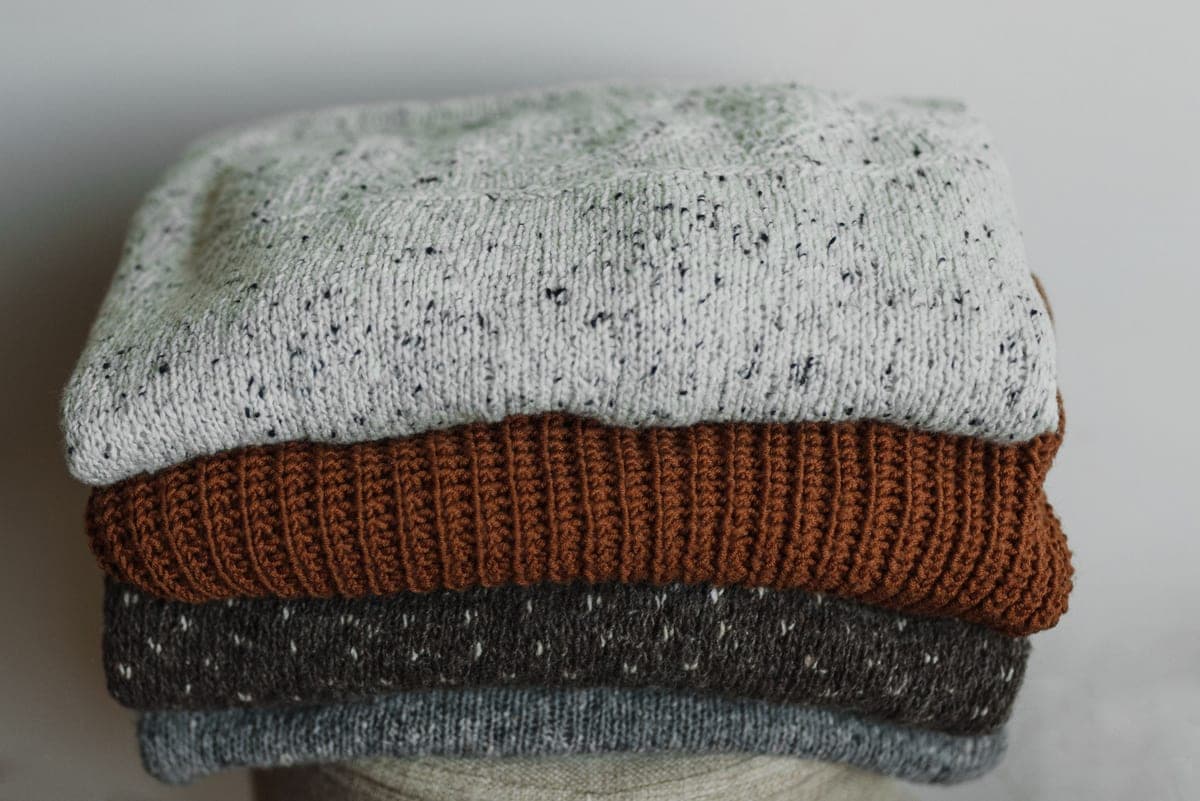
Put the heated garment UNDER your insulating layer, not on the outside. A heated element replaces heat you are losing, and insulation slows that loss — so heat generated inside the insulation is retained, while heat generated outside it escapes. Same battery, same setting, substantially more warmth.
The mistake, and why it is so easy to make
Buy a heated jacket and the natural thing to do is wear it as your jacket. It is a jacket. It goes on last, over everything else, the way jackets do.
That instinct is wrong in a specific and expensive way, and the category's own marketing encourages it — heated garments are photographed as outerwear because that is how you sell a jacket. But a heated jacket is a heat source with a shell around it, and where you place a heat source relative to your insulation changes how much of its output you keep.
Why it works, in one paragraph of physics
A heated garment does not create warmth from nothing — it replaces heat you are losing to your surroundings. Insulation does something different: it slows the rate of that loss by trapping still air. The two are complementary, and the order decides whether they cooperate.
Heat generated inside your insulation has to pass through it to escape, so most of it stays with you and the element's output accumulates. Heat generated outside your insulation is already on the cold side of the barrier — it warms the air around it and leaves. You paid for those watt-hours either way; only one arrangement lets you keep them.
There is a second effect that compounds it. These garments use a controller that holds a target temperature rather than a fixed draw, which means it runs the element a larger share of the time when heat is escaping faster. Wearing the heated layer on the outside does not just waste heat — it makes the controller work harder and empties the pack sooner. You get less warmth and less runtime at once.
The order that works
| Layer | What goes here | Job |
|---|---|---|
| 1. Base | Merino or synthetic base layer | Moves moisture off skin. Never cotton — wet cotton actively cools you |
| 2. Heat source | Heated vest, hoodie or shirt | Adds warmth. Must be in contact with the base layer to conduct rather than radiate into a gap |
| 3. Insulation | Fleece, down or synthetic puffer | Traps the heat the element makes. This is the layer doing the retaining |
| 4. Shell | Windproof, water-resistant outer | Blocks the moving air that would strip the boundary layer away |
You do not always need all four. In still air indoors, layers 1 and 2 may be enough. The ordering is what matters, not the count.
The heated garment sits at position two — close to the body, inside everything insulating. That is exactly why a heated vest is such good value: it is designed for position two, whereas a heated jacket is built to sit at position four and then has to be persuaded to work anywhere else.
If you are buying for position two specifically, these are the garments built for it — a vest and a hoodie that expect something over them, and the soft shell for anyone who needs the heated layer to face the weather after all.
Quick picks
Tap any row to jump to the full write-up below. The energy column is the pack’s capacity times its voltage — the number this category does not print.
| # | Product | Best for | Energy | Price |
|---|---|---|---|---|
| 1 | ororo Men's Lightweight Heated VestA vest puts the same pack energy into the same core zones as a jacket while heating far less fabric, which is why it i… | The best value in heated apparel | 38.5 Wh | Check price on Amazon |
| 2 |  ororo Unisex 5-Zone Heated Pullover HoodieFive heating zones is the widest coverage on any hoodie here, and the arithmetic is the reason to think twice: it is t… | The most zones on a hoodie | 37.6 Wh | Check price on Amazon |
| 3 |  ororo Men's Soft Shell Heated JacketThe clearest power story in the category: ororo publishes capacity and voltage for every pack it sells, so you can wor… | A first heated jacket | 38.5 Wh | $159.99View on Amazon |
#ad — buy links are tagged and earn us a commission at no extra cost to you. Prices come from a live feed; where none is available the button reads “Check price” rather than showing a number we cannot stand behind. How we are funded.
ororo Men's Lightweight Heated Vest
A vest puts the same pack energy into the same core zones as a jacket while heating far less fabric, which is why it is the smarter buy for most people who think they want a jacket.
#ad No live price available, so we show none. How we are funded.
The numbers
- Energy
- 38.5 Wh
- Pack
- 7.4 V, 5,200 mAh
- Published output
- 2.5 A
- Heat zones
- 3
- Maker's runtime claim
- 8-10 h low / 2-3 h high
- Heat zones
- Left and right chest, mid-back
- Settings
- Three
- Care
- Machine washable with the battery removed
On wattage: No published wattage, but ororo's per-setting hours plus the published pack capacity give you the implied draw at each setting.
What we like
- Layers under any coat you already own, which is what most people actually need
- Identical core zones to the jacket at a lower price
- Arms stay free, which matters for anyone working with their hands
What we do not
- No arm or neck heat at all
- Needs an outer layer in wind
- The same unpublished wattage as everything else here
Who this suits
Almost everyone comparing a first heated purchase. Start here, and add gloves before you add sleeves.
Who should skip it
Your cold problem is your arms or your hands. A vest will not touch either, and one bought to fix cold hands is a wasted purchase.
Spec sources: ororo — Heated Apparel Battery Guide (capacity, voltage and output for every pack) · Amazon — ororo 7.4V 5200mAh battery listing (per-setting runtime claim)
ororo Unisex 5-Zone Heated Pullover Hoodie
Five heating zones is the widest coverage on any hoodie here, and the arithmetic is the reason to think twice: it is the same pack energy as a three-zone garment, divided across five elements instead.
#ad No live price available, so we show none. How we are funded.
The numbers
- Energy
- 37.6 Wh
- Pack
- ororo PD-family USB-C pack (capacity not stated on the listing)
- Heat zones
- 5
- Recharge
- USB-C
- Maker's runtime claim
- Up to 10 h, setting unspecified
- Heat zones
- Both hand pockets, both chest panels and the mid-back
- Settings
- Three
- Care
- Machine washable with the battery removed; the maker rates the elements for 50+ wash cycles
On wattage: No published wattage for the garment. The 10-hour figure carries no setting, which is the least informative form the claim can take — and spread across five zones it is describing a very low output indeed.
On the pack: The listing says 'USB-C rechargeable battery' without naming the capacity. The PD 5K is ororo's standard USB-C apparel pack and its figures are used here, so treat the watt-hour number as approximate for this SKU and check the pack that actually arrives.
What we like
- Pocket heating is the zone hoodie buyers actually want, and this is one of the few that includes it
- USB-C recharge means no proprietary brick to lose, which is how most of these packs die
- Rated by the maker for 50+ machine wash cycles, which is unusual for a garment with elements sewn in
What we do not
- Five zones on one apparel pack is the thinnest energy-per-element split in our registry
- The listing does not state the pack capacity, so the watt-hour figure here is approximate
- A single unqualified 10-hour claim with no setting attached
Who this suits
Someone who wants warm hands and a warm core in one garment and will run it on a low setting indoors or in still air.
Who should skip it
You want maximum warmth from a fixed pack. Fewer zones on the same energy run each element harder — a three-zone garment concentrates what this one spreads.
Spec sources: ororo — Heated Apparel Battery Guide (capacity, voltage and output for every pack)
ororo Men's Soft Shell Heated Jacket
The clearest power story in the category: ororo publishes capacity and voltage for every pack it sells, so you can work out what you are getting instead of taking a marketing number on faith.
The numbers
- Energy
- 38.5 Wh
- Pack
- 7.4 V, 5,200 mAh (ororo B19G)
- Published output
- 2.5 A
- Heat zones
- 3
- Maker's runtime claim
- 8-10 h low / 5-6 h medium / 2-3 h high
- Heat zones
- Left and right chest, mid-back
- Settings
- Three, cycled from a single chest button
- Care
- Machine washable with the battery removed
On wattage: ororo publishes no wattage for the garment. It does publish hours for each of the three settings, which states the draw whether it meant to or not.
What we like
- ororo publishes capacity AND voltage for every pack, which almost nobody else in this category does
- Per-setting runtime claims rather than one 'up to' number, so the low-to-high spread is visible before you buy
- Soft-shell cut layers under a work coat without bulk
What we do not
- No published wattage for the garment itself
- Three zones only — nothing at the arms or the kidneys
- The headline runtime figure is the low setting, as it is everywhere
Who this suits
Someone standing still outdoors for two to four hours at a stretch who wants the power figures on the table before buying.
Who should skip it
You need heat for a full eight-hour shift on high. No 38 Wh pack does that, and this one does not claim to.
Spec sources: ororo — Heated Apparel Battery Guide (capacity, voltage and output for every pack) · Amazon — ororo 7.4V 5200mAh battery listing (per-setting runtime claim)
Contact matters as much as order
An element transfers most of its warmth by conduction into whatever it is pressed against, and the rest by radiation into the space in front of it. Conduction is fast and efficient. Radiating into a pocket of trapped air inside a loose garment is slow and wasteful.
So the heated layer wants to be reasonably snug against your base layer — not compressive, but in contact. This is also why sizing a heated garment like a ski shell is a mistake: extra room means you are heating an air gap rather than a person. Heated clothing sizing covers the method for each garment type, including the opposite error in gloves and socks, where too tight restricts circulation.
What to do if you already bought a heated jacket
Not a wasted purchase, and no need to replace it. A heated jacket has a shell face fabric, so it can legitimately sit at position four — it just will not be as efficient there as a vest at position two would be.
Two things improve it for free. Wear a real insulating mid-layer underneath — a fleece or a light puffer between your base layer and the heated jacket gives the elements something to warm that will hold onto it. And in genuinely cold conditions, consider putting a shell over the heated jacket rather than treating it as the outer layer; softshell faces resist wind but do not block it.
If you are still choosing, jacket versus vest and jacket versus hoodie both come down to this same question of which position the garment is going to occupy.
Moisture is the thing that undoes all of it
A layering system that traps sweat will make you colder than no system at all, and heated clothing makes this easier to get wrong rather than harder — because the element keeps you comfortable enough that you do not notice you are overheating until you stop moving.
Water conducts heat away from the body far faster than air does. Damp insulation loses most of its value, because the trapped still air that was doing the insulating has been replaced by water. That is the entire reason cotton is the wrong base layer: it absorbs moisture, holds it against your skin, and keeps conducting heat out of you long after you have stopped generating it.
The practical rules follow directly:
- Merino or synthetic next to skin, never cotton. Both move moisture outward instead of holding it.
- Turn the heat DOWN before you start working, not after. If you are about to shovel, walk uphill or load a van, drop a setting first. Catching up after you have sweated is not possible — the moisture is already in the layers.
- Vent before you overheat. Open the shell, drop the hood. It is faster and cheaper than any electronic adjustment.
- Down insulation and wet conditions are a bad pairing. Damp down collapses and stops insulating, which puts the whole heat-retention job back on a battery that was never sized for it. Synthetic fill tolerates moisture far better.
This is also a genuine argument for garments with fine control rather than three fixed steps. A continuously variable setting lets you hold the lowest output that keeps you comfortable, which is both the moisture-safe choice and the one that stretches a small pack furthest.
Three stacks for three kinds of cold
The ordering never changes, but how many layers you need does. These are the three cases that cover most people.
Stationary outdoors — the case heated clothing is built for
A stand, a touchline, a picket, a job site at seven in the morning. You are generating almost no metabolic heat, so insulation alone cannot help you — it only slows the loss of warmth you are not producing. This is where a battery genuinely adds something nothing else can.
Use all four layers, and ration the pack rather than running it flat from the start: walk in cold, switch on when you settle, and save the top setting for the coldest part of the day. Heated vests for hunting covers the long-sit case in detail.
Indoors or in a vehicle — drop the shell
A cold workshop, a warehouse, an unheated garage, an early-start van. There is no moving air to block, so the shell is doing nothing and mostly gets in the way. Base layer, heated layer, and a light insulating layer over it is usually enough — and this is exactly where a heated hoodie makes more sense than a heated jacket, because comfort matters more than weather resistance.
Moving between cold and warm — the commute problem
Outside, then a heated building, then outside again. The failure here is sweating indoors and then stepping back out into the cold in damp layers.
Heated clothing handles this better than passive layering does, for once: switching an element off is instant, whereas removing and carrying a mid-layer is not. Set the heat low, use it as the fast-adjusting layer, and let the passive layers stay constant.
Layering the extremities
The same principle applies to hands and feet, with one important reversal.
For hands, a heated liner inside a glove you already own is the layering answer — heat source inside, weather protection outside, exactly as with the torso. It is why the liner format outperforms its tiny battery.
The reversal is that extremities punish compression in a way the torso does not. On your core, snug contact is good. On hands and feet, anything tight restricts blood flow — and restricted circulation makes an extremity colder than the element can make it warm. If adding a heated layer means squeezing, go up a size in the outer glove or boot instead. That single point is behind most disappointed heated-sock and heated-glove reviews.
Be honest about whether heat is the missing piece
Worth saying plainly. If your current setup is a good insulated coat and you are still cold standing still, a battery genuinely helps — insulation only slows the loss of heat you are producing, and when you are stationary you are producing very little. That is the gap heated clothing exists to fill.
But if your current setup is a cotton hoodie and a thin jacket, the cheapest large improvement is a proper mid-layer and a windproof shell, not electricity. A standard 38.5 watt-hour pack cannot compensate for clothing that is losing heat as fast as the element makes it — and layering correctly is free, while watt-hours are not.
Are heated jackets worth it works through where the money is best spent, and how heated clothing works covers the element, controller and battery chain in full.
One layer this page has not covered: the legs. The same stack logic applies — heat closest to you, insulation outside it — but the products are far thinner on the ground and far less forthcoming about their batteries. Heated pants covers the three formats that exist and what each maker is willing to publish.
Frequently asked
- Should a heated jacket go over or under other layers?
- Under your insulation, wherever possible. Heat made inside the insulating layer is retained; heat made outside it escapes. A heated vest under a puffer is far more effective than a heated jacket over one, on the same battery.
- What do you wear under a heated vest?
- A merino or synthetic base layer, in contact with the vest. Elements warm you by conduction, so contact matters — and never cotton, which holds moisture and actively cools you once damp.
- Can you wear a coat over a heated jacket?
- Yes, and in hard cold it is a genuine improvement. A softshell heated jacket resists wind but does not block it, so a shell over the top reduces the heat loss the elements are fighting and makes the pack last longer.
- Why does my heated jacket feel warmer indoors than outside?
- Because outdoors you are losing heat far faster, and the controller — which holds a target temperature rather than a fixed draw — cannot always keep up. Adding an insulating layer under it, or a shell over it, closes most of that gap for free.
- How tight should heated clothing be?
- On the torso, snug enough for the element to touch you but not compressive — extra room means you are heating an air gap. On hands and feet the opposite risk dominates: anything tight restricts circulation and makes them colder than no heat at all.
- Is layering better than buying a bigger battery?
- For most people yes, because it is free and it attacks the loss side rather than the supply side. A bigger pack runs the same elements longer; better layering means the elements have less to replace in the first place.
Sources
Related
How heated clothing actually works
Element, controller, battery — and why insulation is the half of the system nobody sells you.
Heated clothing sizing: contact is the whole point
Elements warm what they touch. Sizing rules for jackets, vests, gloves and socks, and the trap in each.
Heated jacket or heated vest? Three questions decide it
Same pack, same elements, different amount of fabric. Three questions that settle which one you should buy.
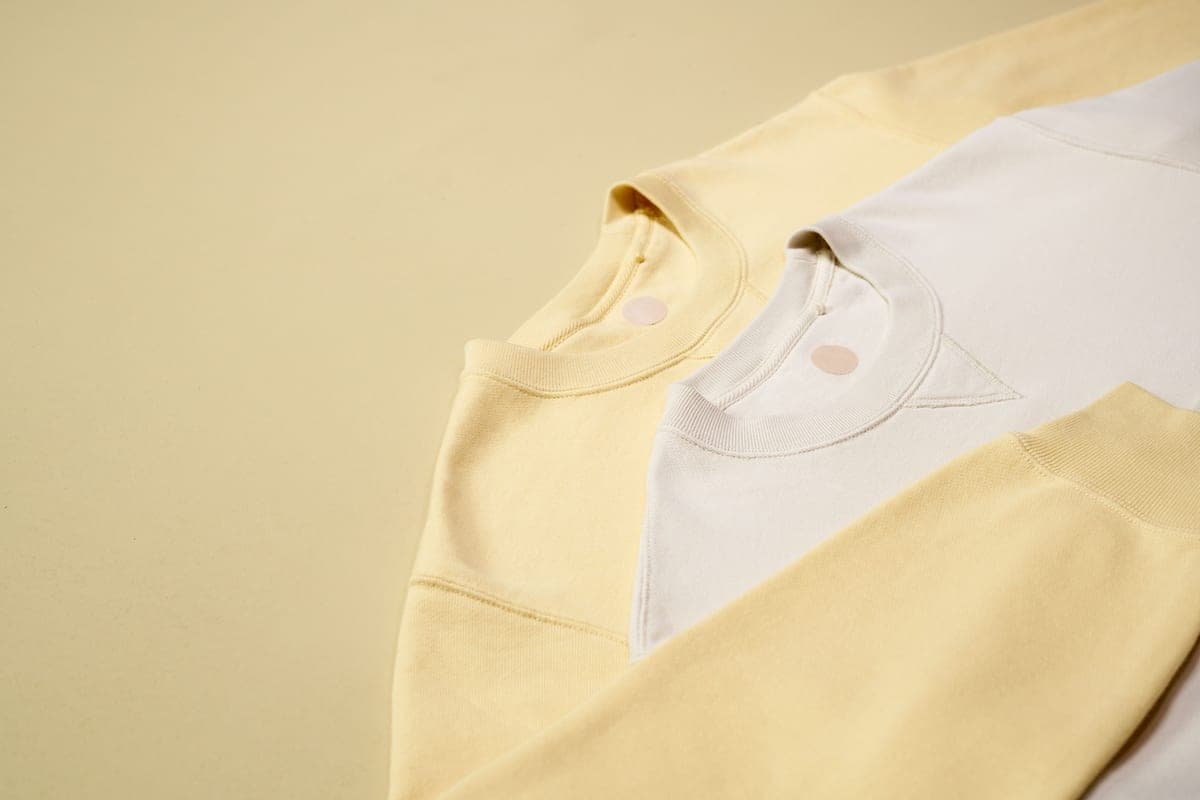
Heated jacket or heated hoodie?
Same elements, same pack, different fabric. One question — does the heated layer face the weather? — settles it.

Heated Vests
Same core zones as a jacket, less fabric to heat, and it layers under the coat you already own. Usually the smarter first purchase.

Heated glove liners: less battery, more useful
The smallest packs on the site in the format most likely to still be on your hands at the end of the day.
Heated vests for golf, where bulk costs you more than cold
The one heated garment that cannot interfere with a swing, because the part that would is missing. Thin beats thick here, and the pack belongs on your back.
Heated pants, and how little most of them tell you
Three formats, five products, and five different levels of honesty about the battery. The arithmetic catches one specification that does not add up.

Heated vests for skiing, and why the jacket is the wrong garment
Your ski shell is not replaceable and a heated jacket is not a shell - the vest is the only layer that fits underneath. Plus why a 37 watt-hour pack covers a full day once you stop leaving it on.