Heated clothing sizing: contact is the whole point
An element transfers most of its warmth by conduction into whatever is pressed against it. Everything about fitting these garments follows from that one sentence.
By Scooter M. · Published August 31, 2026
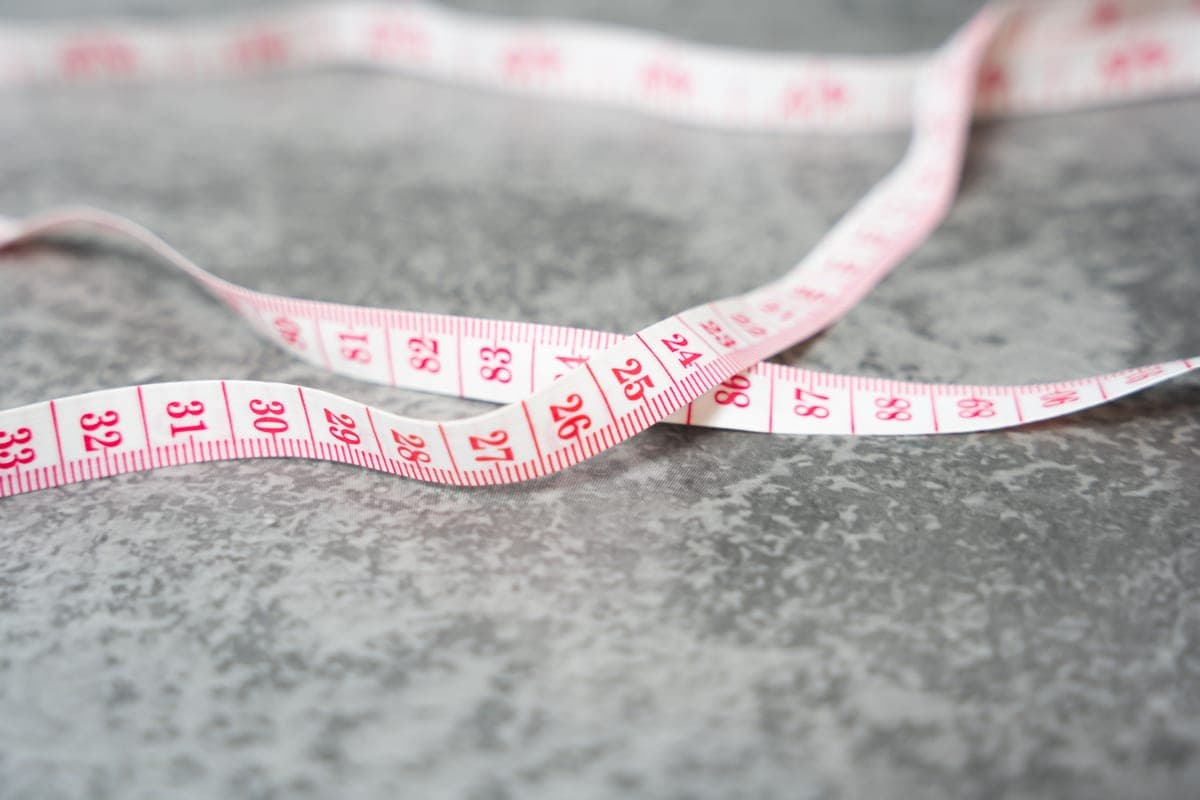
Size heated clothing for the layer you will actually wear underneath, and no larger. Heating elements warm you by conduction, so a garment with room to spare is heating an air gap instead of you. Too tight is equally wrong — compression restricts circulation, especially in gloves and socks. This bites hardest when buying for a child, where the instinct to leave growing room is strongest — heated jackets for kids covers why you should resist it.
The principle, in one paragraph
A heating element transfers warmth two ways: by conduction into whatever it is touching, and by radiation into the space in front of it. Conduction is fast, efficient and direct. Radiation into a pocket of trapped air inside a loose jacket is slow and wasteful.
On a 38.5 watt-hour budget there is no margin for the wasteful route. That is why fit does more for how warm a heated garment feels than any specification on the listing, and why it is the most common reason people conclude heated clothing does not work.
Jackets and vests
- Decide your layer first. Merino base layer, or a fleece, or a hoodie? The answer changes the size. Try the garment over whatever you actually plan to wear.
- Check where the chest panels land. They should sit over your chest, not down near your ribs. If the shoulders are too wide the whole element array drops with them.
- Between sizes? Take the smaller one, if you are layering thin. Take the larger only if you are genuinely wearing something bulky underneath.
- Do not size up for a heated jacket the way you would for a ski shell. A ski shell wants air. A heated garment wants contact.
- Reach forward and up. A heated garment that pulls the back panel off your spine when you reach is a garment that loses its best zone whenever you work.
Quick picks
Tap any row to jump to the full write-up below. The energy column is the pack’s capacity times its voltage — the number this category does not print.
| # | Product | Best for | Energy | Price |
|---|---|---|---|---|
| 1 |  ororo Men's Soft Shell Heated JacketThe clearest power story in the category: ororo publishes capacity and voltage for every pack it sells, so you can wor… | A first heated jacket | 38.5 Wh | $159.99View on Amazon |
| 2 | ororo Men's Lightweight Heated VestA vest puts the same pack energy into the same core zones as a jacket while heating far less fabric, which is why it i… | The best value in heated apparel | 38.5 Wh | Check price on Amazon |
| 3 |  Gerbing 7V Women's S7 Heated GlovesThe same electronics as the men's S7 on a last cut for narrower hands, which matters more than it sounds: a heated glo… | Smaller hands that still want full-finger heat | 23.8 Wh | $245.09View on Amazon |
#ad — buy links are tagged and earn us a commission at no extra cost to you. Prices come from a live feed; where none is available the button reads “Check price” rather than showing a number we cannot stand behind. How we are funded.
ororo Men's Soft Shell Heated Jacket
The clearest power story in the category: ororo publishes capacity and voltage for every pack it sells, so you can work out what you are getting instead of taking a marketing number on faith.
The numbers
- Energy
- 38.5 Wh
- Pack
- 7.4 V, 5,200 mAh (ororo B19G)
- Published output
- 2.5 A
- Heat zones
- 3
- Maker's runtime claim
- 8-10 h low / 5-6 h medium / 2-3 h high
- Heat zones
- Left and right chest, mid-back
- Settings
- Three, cycled from a single chest button
- Care
- Machine washable with the battery removed
On wattage: ororo publishes no wattage for the garment. It does publish hours for each of the three settings, which states the draw whether it meant to or not.
What we like
- ororo publishes capacity AND voltage for every pack, which almost nobody else in this category does
- Per-setting runtime claims rather than one 'up to' number, so the low-to-high spread is visible before you buy
- Soft-shell cut layers under a work coat without bulk
What we do not
- No published wattage for the garment itself
- Three zones only — nothing at the arms or the kidneys
- The headline runtime figure is the low setting, as it is everywhere
Who this suits
Someone standing still outdoors for two to four hours at a stretch who wants the power figures on the table before buying.
Who should skip it
You need heat for a full eight-hour shift on high. No 38 Wh pack does that, and this one does not claim to.
Spec sources: ororo — Heated Apparel Battery Guide (capacity, voltage and output for every pack) · Amazon — ororo 7.4V 5200mAh battery listing (per-setting runtime claim)
ororo Men's Lightweight Heated Vest
A vest puts the same pack energy into the same core zones as a jacket while heating far less fabric, which is why it is the smarter buy for most people who think they want a jacket.
#ad No live price available, so we show none. How we are funded.
The numbers
- Energy
- 38.5 Wh
- Pack
- 7.4 V, 5,200 mAh
- Published output
- 2.5 A
- Heat zones
- 3
- Maker's runtime claim
- 8-10 h low / 2-3 h high
- Heat zones
- Left and right chest, mid-back
- Settings
- Three
- Care
- Machine washable with the battery removed
On wattage: No published wattage, but ororo's per-setting hours plus the published pack capacity give you the implied draw at each setting.
What we like
- Layers under any coat you already own, which is what most people actually need
- Identical core zones to the jacket at a lower price
- Arms stay free, which matters for anyone working with their hands
What we do not
- No arm or neck heat at all
- Needs an outer layer in wind
- The same unpublished wattage as everything else here
Who this suits
Almost everyone comparing a first heated purchase. Start here, and add gloves before you add sleeves.
Who should skip it
Your cold problem is your arms or your hands. A vest will not touch either, and one bought to fix cold hands is a wasted purchase.
Spec sources: ororo — Heated Apparel Battery Guide (capacity, voltage and output for every pack) · Amazon — ororo 7.4V 5200mAh battery listing (per-setting runtime claim)
Gerbing 7V Women's S7 Heated Gloves
The same electronics as the men's S7 on a last cut for narrower hands, which matters more than it sounds: a heated glove that fits badly heats air instead of skin.
#ad Price as of October 17, 2026. How we are funded.
The numbers
- Energy
- 23.8 Wh
- Pack
- 7 V, 3,400 mAh per glove
- Sizing
- Women's last, from XS
- Element coverage
- Full finger
- Heat zones
- Back of hand and all five fingers
- Settings
- Three
- Care
- Spot clean
On wattage: No published wattage; capacity and voltage are published.
What we like
- A genuine women's last rather than a shrunk men's glove
- Full-finger element, which the smaller heated gloves usually drop
- Largest published per-hand capacity in its size range
What we do not
- No wattage published
- Expensive
- Still bulky for fine work
Who this suits
Anyone whose hands are too narrow for a men's small, which is a real and badly served group.
Who should skip it
You want dexterity — the liner is the better answer.
Spec sources: Amazon — Gerbing 7V Men's S7 heated gloves (two 7V 3400mAh packs included)
Gloves, where fit matters most
Heated gloves are the least forgiving item in the category, for two reasons that pull in opposite directions. Too loose and there is an air gap between the element and your fingers — which is a large gap, given how thin a finger is relative to a glove. Too tight and you are compressing the blood supply to the exact extremity you are trying to warm.
This is also the strongest argument for a genuine gender-specific last rather than a scaled-down men's glove. A glove cut for a different hand shape will have both problems at once: tight across the palm, loose at the fingers.
For liners, the constraint is your outer glove. A liner needs room inside the glove you already own, and forcing one into a snug glove converts it into a compression layer. If your gloves fit well now, size the outer glove up rather than the liner down. Heated glove liners has more.
Socks, where the element has to land right
Heated socks put the element over the toe box, and the sock has to be the right length for that to land where it should. A sock too long puts the element behind your toes, warming your instep while your toes stay cold — a failure that is invisible until you are out in it.
The larger constraint is the boot. A heated sock is thicker than the sock it replaces and adds a battery pouch at the cuff. In a boot bought to fit, that is compression. Check for genuine room before buying, and be ready to size the boot rather than the sock.
Quick reference
| Garment | Size for | Between sizes | The trap |
|---|---|---|---|
| Heated jacket | Your actual mid-layer | Smaller, unless layering bulky | Sizing up out of ski-shell habit |
| Heated vest | The base layer you wear under it | Smaller | Buying room for a coat that goes over, not under |
| Heated gloves | Firm contact, no compression | Try both — this one matters | A scaled men's glove on a narrow hand |
| Heated liners | Room inside your existing glove | Smaller | Forcing one into a snug glove |
| Heated socks | Element landing over the toes | True to size | A boot that had no spare room |
Watt-hours, and what they buy
Energy is capacity times nominal voltage. The ceiling draw is the pack’s own published output current times its voltage. The implied draw runs the maker’s advertised hours backwards. Nothing here is measured — check our working.
| Product | Capacity | Volts | Energy | Ceiling draw | Shortest runtime | Implied draw at the claim |
|---|---|---|---|---|---|---|
| ororo Men's Soft Shell Heated Jacket | 5,200 mAh | 7.4 V | 38.5 Wh | 18.5 W | 2h 05m | 15.4 Wat 2.5 h high |
| ororo Men's Lightweight Heated Vest | 5,200 mAh | 7.4 V | 38.5 Wh | 18.5 W | 2h 05m | 15.4 Wat 2.5 h high |
| Gerbing 7V Women's S7 Heated Gloves | 3,400 mAh | 7 V | 23.8 Wh | Not published | Not derivable | No claim published |
“Not derivable” means the manufacturer does not publish the figure the sum needs. We leave it blank rather than estimating it, borrowing a number from a similar model, or rounding one into existence. These are ceilings, not promises: cold, wind, movement and pack age all push real runtime below them. Run your own numbers.
Once the fit is right, the energy figures above are what you are working with. The runtime calculator will convert any pack you are considering. Layering heated clothing covers where the garment sits in the stack, which matters as much as the fit.
One size question this page cannot answer generically: what is available past 2XL, and which makers publish a genuine tall cut rather than just a bigger one. Heated jackets in big and tall sizes goes through each maker's own chart, and covers the part nobody mentions — a larger garment ships the same battery as a small one.
Frequently asked
- Should I size up in a heated jacket?
- Only for the layer you will genuinely wear underneath. Heating elements warm you by touching you, so extra room means you are heating an air gap. This is the opposite of how you would size a ski shell.
- How should a heated vest fit?
- Firm contact over your base layer with no compression, and with the chest panels sitting over your chest rather than dropping toward your ribs. It goes under your coat, so do not leave room for the coat.
- How tight should heated gloves be?
- Close enough for the element to touch your fingers, loose enough not to restrict circulation. Both errors are common and both make your hands colder — too loose leaves an air gap, too tight throttles the blood supply.
- What size heated socks should I buy?
- True to size, so the element lands over your toes rather than behind them. The bigger question is whether your boot has room for a thicker sock plus a cuff pack — if it does not, sort the boot first.
- Why does my heated jacket not feel warm?
- Fit is the most common cause. If there is a gap between the element and your body, the jacket is heating air, which is slow and inefficient. Check that the chest panels sit against you and that the back panel stays in contact when you move.
Sources
Related
Heated Jackets
The biggest category and the noisiest claims. We convert capacity and voltage into watt-hours, then into hours at each setting.

Heated Vests
Same core zones as a jacket, less fabric to heat, and it layers under the coat you already own. Usually the smarter first purchase.

Heated Gloves
The smallest packs in heated apparel, fighting the worst heat loss on the body. Liners are the underrated answer.

Heated Socks
One toe element, one 7.4V pack, roughly 16 watt-hours a foot. The simplest arithmetic on the site.
How heated clothing actually works
Element, controller, battery — and why insulation is the half of the system nobody sells you.
Heated jackets in big and tall sizes
Most of the category stops at 2XL without saying so. What is documented past it, which maker offers a genuine tall cut, and why a bigger jacket needs a bigger battery it does not get.
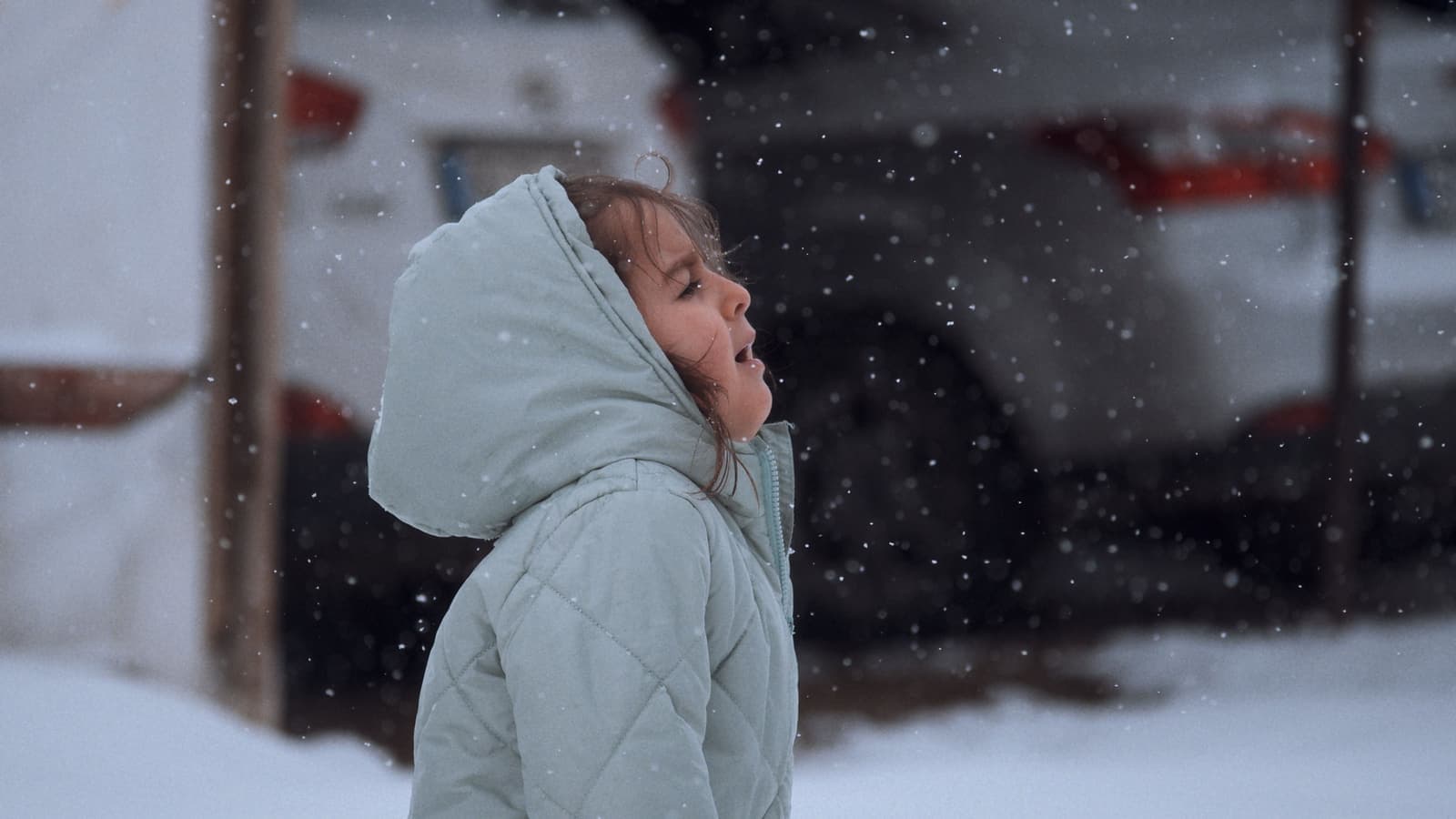
Heated jackets for kids, and the certificate that comes before the jacket
For a child 12 or under, a heated jacket legally needs a third-party-tested safety certificate. Two brands publish one. Plus why the long runtime is real, and why you must not size up.