Heated jackets for kids, and the certificate that comes before the jacket
A garment made for a child 12 or under needs a document most listings never mention. Two brands say they have it. The rest leave you guessing, and one of them wants to put a 12-volt pack on your child.
By Scooter M. · Published October 10, 2026
How this is funded: buy links here are tagged and earn us a commission at no extra cost to you. It does not affect what we recommend, and we take no free product and no sponsorship. Read the disclosure.
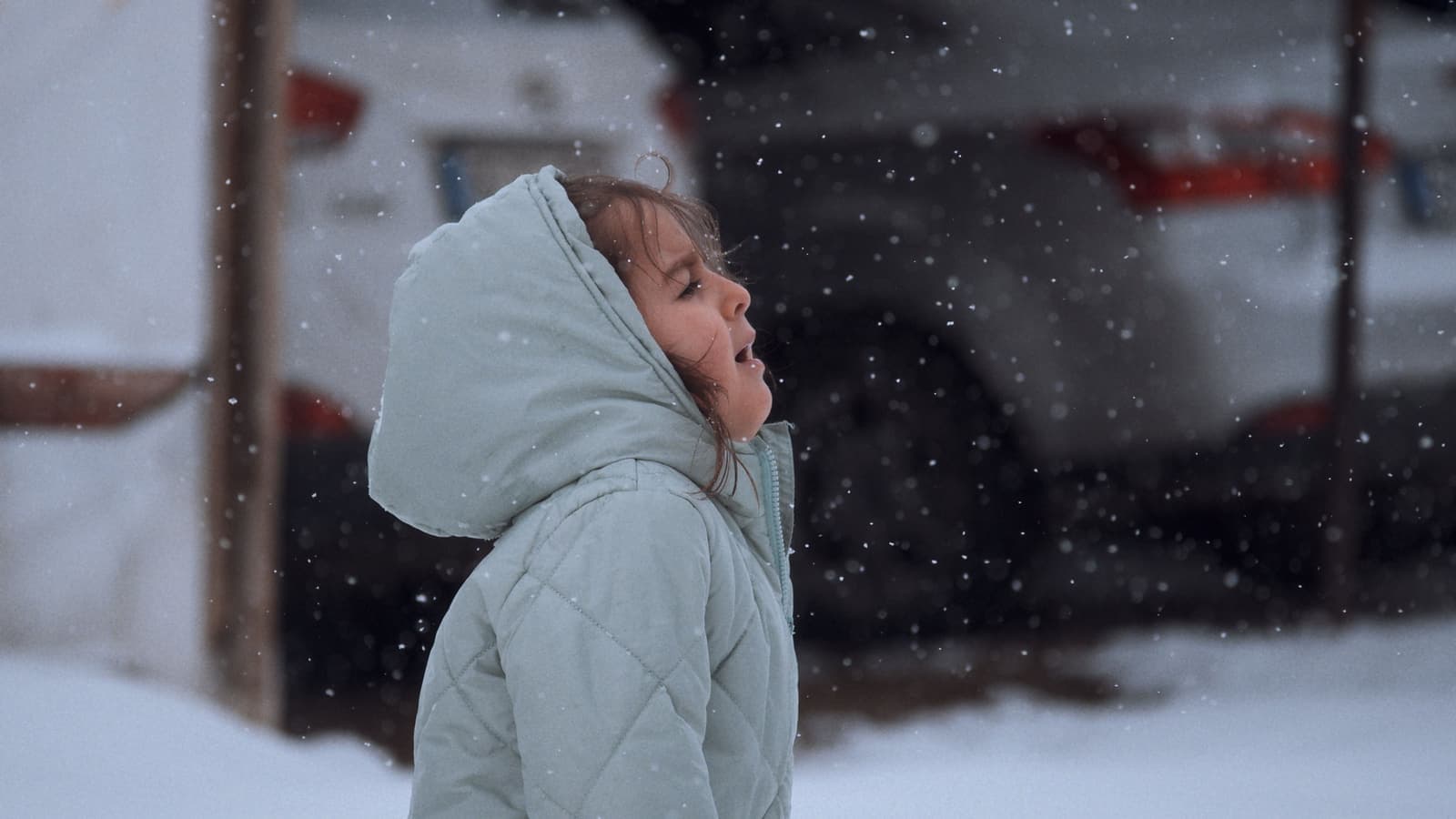
Buy from a brand that publishes a Children's Product Certificate, and buy the size that fits this winter. For a garment intended primarily for children 12 or under, that certificate is federal law and must be backed by third-party lab testing - it is the baseline, not a bonus. ororo states it and names its battery certification; Venustas references the standard; the cheap listings say nothing at all.
Start with the certificate, not the jacket
Everything else on this page is secondary to one document, and almost nobody writing about heated apparel for children mentions it.
The CPSC's own wording: "Section 14 of the CPSA, as codified in 16 CFR part 1110, requires domestic manufacturers and importers of children's products to certify in a written Children's Product Certificate (CPC), based on test results from a third-party, CPSC-accepted laboratory, that their children's product(s) comply with applicable children's product safety rules."
A children's product is "a consumer product designed or intended primarily for children 12 years of age or younger", and "Federal law requires that every children's product be tested by a third-party, CPSC-accepted laboratory". So for most of the size run you are shopping, the CPC is not optional and not a marketing badge. It is a condition of the product being legally sold.
Quick picks
Tap any row to jump to the full write-up below. The energy column is the pack’s capacity times its voltage — the number this category does not print.
| # | Product | Best for | Energy | Price |
|---|---|---|---|---|
| 1 |  ororo Kids' 4-Zone Heated Down JacketThe only heated garment for children we found whose maker publishes a CPC certificate, a UL-certified battery and the … | The only kids' line that publishes a child-safety certificate | 35.5 Wh | $169.99View on Amazon |
| 2 |  Venustas Kids Heated Jacket (KJ12)Venustas references Children's Product Certificate standards and publishes a voltage and an hours figure, then stops s… | The cheaper certified-brand route | — | $129.99View on Amazon |
| 3 |  ororo Kids' Heated Full-Zip HoodieThe same certified platform as the down jacket in a fleece hoodie, which is the garment a child puts on every morning … | The coat a child will actually wear to school | 35.5 Wh | $139.99View on Amazon |
| 4 |  ororo Boys' Lightweight Heated VestThe cheapest way into a certified kids' heated garment, and arguably the smartest: it heats the core zones and layers … | Heating the core and letting the coat they already own do the rest | 35.5 Wh | $139.99View on Amazon |
| 5 |  Venustas Kids Heated Fleece Jacket (KJ16)Venustas's fleece kids jacket, listed at four heating zones and water resistant, with the same disclosure gap as the r… | Mild-weather wear at the lowest price here | — | $103.99View on Amazon |
#ad — buy links are tagged and earn us a commission at no extra cost to you. Prices come from a live feed; where none is available the button reads “Check price” rather than showing a number we cannot stand behind. How we are funded.
ororo Kids' 4-Zone Heated Down Jacket
The only heated garment for children we found whose maker publishes a CPC certificate, a UL-certified battery and the cell supplier inside it. On the same pack ororo sells to adults.
#ad Price as of October 17, 2026. How we are funded.
The numbers
- Energy
- 35.5 Wh
- Child-safety certificate
- "CPC-certified for child product safety" — published
- Battery
- "UL-certified Mini 5K battery powered by LG cells"
- Energy
- About 35.5 Wh — derivable, because ororo names the pack
- Age range
- "Ages 6-15", per ororo
- Heat optional
- "The heating function is optional so that kids can wear it just like a regular jacket/vest"
- Heat zones
- "4-zone heating aligned to core body areas", per ororo
- Settings
- "3 adjustable heat settings", per ororo
- Care
- "All kids' heated styles are machine washable once the battery is removed", per ororo
On wattage: Not published, and the inversion is the most useful number on this page. 35.5 Wh across ororo's claimed "up to 14.5 hours" is about 2.45 W. The SAME pack in ororo's adult fleece vest is claimed at 10 hours, which is about 3.55 W. Same brand, same battery, a 31% lower draw — because there is less child to heat. The extra four and a half hours are not a better battery. They are a smaller torso. Note also that ororo publishes Low/Medium/High hours separately for its adult softshell but gives the kids line only this single headline figure, so the high-setting runtime is not derivable.
On the pack: ororo's kids collection runs on the Mini 5K — 4,800 mAh at 7.4 V, about 35.5 Wh, the same pack that powers its adult fleece vest. ororo describes it as a "UL-certified Mini 5K battery powered by LG cells" with "multiple protection systems — overcharge, overcurrent, and short-circuit".
What we like
- Publishes a CPC certificate, which is the legal requirement for a children's product and the one thing the generic listings do not mention
- Names the battery certification AND the cell supplier, which almost nothing in heated apparel does
- The pack is the same Mini 5K sold for adult gear, so a spare is easy to find and the energy is derivable
- Wears as an ordinary down jacket with the heat off, which is how a child will wear it most days
- Machine washable with the battery out
What we do not
- Only one headline runtime figure for the kids line, where the adult softshell gets Low, Medium and High published separately
- The most expensive pick here, and a child will outgrow it
- No wattage published, as with every garment on this site
- No warranty term stated on the kids collection page
Who this suits
A parent who wants the certificate on file and is buying for a child at the older end of the 6-15 range, who will get more than one winter out of it.
Who should skip it
Your child is under 6. That is ororo's own floor for this collection, not ours, and nothing here is sold for a toddler.
Spec sources: ororo — Kids' Heated Clothing Collection ("Kids' Heated Clothing Collection for Ages 6-15"; "CPC-certified for child product safety"; "UL-certified Mini 5K battery powered by LG cells" with "multiple protection systems — overcharge, overcurrent, and short-circuit"; "4-zone heating aligned to core body areas with 3 adjustable heat settings"; "up to 14.5 hours of warmth"; "All kids' heated styles are machine washable once the battery is removed"; "The heating function is optional so that kids can wear it just like a regular jacket/vest"; no per-setting runtime and no warranty term published) · ororo — How to Use Heated Apparel for Kids Safely, a Parent's Complete Guide ("heated jackets, vests, and hoodies for kids from 6-15"; "Start with low or medium heat settings before increasing temperature"; "Avoid prolonged use on high heat, especially for younger children"; "Teach your child how to turn the heating system on and off"; "Check that the battery is properly connected and securely placed in pocket"; "Remove the battery before washing the garment"; "Supervision and proper use go a long way in ensuring both safety and performance") · ororo — Heated Apparel Battery Guide (capacity, voltage and output for every pack) · ororo — Mini 5K rechargeable battery, 4,800 mAh
Venustas Kids Heated Jacket (KJ12)
Venustas references Children's Product Certificate standards and publishes a voltage and an hours figure, then stops short of the capacity — so the energy it carries cannot be calculated from its own page.
The numbers
- Child-safety certificate
- "Children's Product Certificate (CPC) standards" referenced
- Voltage
- "7.4V" — published
- Capacity
- Not published for the kids line
- Energy
- Not derivable
- Insulation
- "FELLEX® Insulation", per Venustas
- Heat zones
- Venustas lists both "3 Heating Zones" and "4 Heating Zones" across its kids models; the KJ12 classic jacket is listed at 4
- Settings
- Not published on the kids collection page
- Care
- Not published on the kids collection page
On wattage: Not published and not derivable, because the capacity is missing. This is the more frustrating gap of the two brands here: Venustas is the one company in heated apparel that prints watt-hours directly in its pack NAMES, so it clearly knows the figure matters. It simply does not carry it across to the kids page.
On the pack: Venustas publishes "7.4V" and "13H Heating" for its kids line but NOT the included pack's capacity, so the watt-hours are not derivable from what Venustas states. For scale: Venustas's own smallest 7.4 V pack is the "Mini 7.4V Battery (36Wh), 5K" at 4,800 mAh. IF that is the pack in the box, 13 hours implies about 2.8 W — but Venustas does not confirm which pack ships, and we are not going to pick one and call it a specification.
What we like
- References CPC standards and an "NTC protection and a battery safety system"
- Meaningfully cheaper than the ororo down jacket
- FELLEX insulation is the same fill Venustas uses in its adult hunting line
- A longer headline runtime than most adult jackets on this site manage
What we do not
- No capacity published, so the watt-hours cannot be calculated — from the brand that puts watt-hours in its pack names
- No heat-setting count, washing instructions or warranty term on the kids page
- No age range published anywhere we could find, unlike ororo's stated 6-15
- "13H Heating" is a single figure with no setting attached to it
Who this suits
A parent who wants a brand that at least references the child-safety certificate, without paying the ororo price.
Who should skip it
You want to know what you are buying in energy terms. ororo publishes the pack; Venustas, here, does not.
Spec sources: Venustas — Kids' Clothing, Heated Jacket & Vest collection ("7.4V" and "13H Heating" on all four kids models KV10, KV14, KJ16, KJ12; "3 Heating Zones" and "4 Heating Zones" across the line; "FELLEX® Insulation" on the classic models and "Ultra-soft Fleece" on the fleece models; "Children's Product Certificate (CPC) standards" and "NTC protection and a battery safety system" referenced; pack CAPACITY, heat-setting count, washing instructions, warranty term and age range all NOT published) · Venustas — Battery & Charger collection (every pack carries its watt-hour figure in the PRODUCT NAME: "Mini 7.4V Battery (36Wh), 5K" at 4,800 mAh; "7.4V/12V Battery (54Wh), 7.5K" at 7,200 mAh; "7.4V/12V Battery (74Wh), 10K" at 10,000 mAh; and a "7.4V Battery For Heated Gloves/Socks/Scarf (19Wh), 2.5K") · Venustas — Warranty (effective 1 January 2025: heating elements "3-Year Limited Warranty (Venustas Official Website Only)", battery "1-Year Limited Warranty"; and "Venustas's limited warranty applies to all BRAND NEW items sold by venustas.com, Amazon, and other authorized dealers" — the three-year element term carries the website-only parenthetical, the battery term does not)
ororo Kids' Heated Full-Zip Hoodie
The same certified platform as the down jacket in a fleece hoodie, which is the garment a child puts on every morning rather than only for the cold walk.
#ad Price as of October 17, 2026. How we are funded.
The numbers
- Energy
- 35.5 Wh
- Child-safety certificate
- "CPC-certified for child product safety"
- Battery
- UL-certified Mini 5K, LG cells
- Shell
- Fleece, full-zip hoodie
- Energy
- About 35.5 Wh
- Heat zones
- "4 Heating Zones", per the product title and ororo's collection page
- Settings
- "3 adjustable heat settings", per ororo
- Care
- Machine washable once the battery is removed, per ororo
On wattage: Not published. The 2.45 W implied by 35.5 Wh over 14.5 hours is a collection-level figure, not a per-garment one, and a fleece has less passive insulation holding that heat in than a down jacket does. We would treat the hoodie's real-world hours as the shorter of the two.
On the pack: Same Mini 5K pack and the same collection-level claim of "up to 14.5 hours" — about 35.5 Wh. A fleece shell insulates less than down, so expect the heat to do more of the work and the honest runtime to sit lower than the down jacket's on the same setting.
What we like
- Same CPC certificate and UL battery as the down jacket, for less money
- A hoodie gets worn indoors and out, so the garment earns its keep on mild days too
- Full-zip, which is easier for a child than pulling a hood over a hat
- Machine washable with the battery out
What we do not
- Fleece gives far less passive insulation than down, so the battery works harder in real cold
- The 14.5-hour figure is a collection claim, not measured on this garment
- No hood insulation and no published wind rating
- A child will outgrow it, same as everything here
Who this suits
A school run, a bus stop and a playground, which is where most of a child's cold hours actually happen.
Who should skip it
You need a genuine winter coat for sustained cold. Buy the down jacket and let the heat be a supplement.
Spec sources: ororo — Kids' Heated Clothing Collection ("Kids' Heated Clothing Collection for Ages 6-15"; "CPC-certified for child product safety"; "UL-certified Mini 5K battery powered by LG cells" with "multiple protection systems — overcharge, overcurrent, and short-circuit"; "4-zone heating aligned to core body areas with 3 adjustable heat settings"; "up to 14.5 hours of warmth"; "All kids' heated styles are machine washable once the battery is removed"; "The heating function is optional so that kids can wear it just like a regular jacket/vest"; no per-setting runtime and no warranty term published) · ororo — How to Use Heated Apparel for Kids Safely, a Parent's Complete Guide ("heated jackets, vests, and hoodies for kids from 6-15"; "Start with low or medium heat settings before increasing temperature"; "Avoid prolonged use on high heat, especially for younger children"; "Teach your child how to turn the heating system on and off"; "Check that the battery is properly connected and securely placed in pocket"; "Remove the battery before washing the garment"; "Supervision and proper use go a long way in ensuring both safety and performance") · ororo — Heated Apparel Battery Guide (capacity, voltage and output for every pack)
ororo Boys' Lightweight Heated Vest
The cheapest way into a certified kids' heated garment, and arguably the smartest: it heats the core zones and layers under the winter coat the child already has.
#ad Price as of October 17, 2026. How we are funded.
The numbers
- Energy
- 35.5 Wh
- Child-safety certificate
- "CPC-certified for child product safety"
- Battery
- UL-certified Mini 5K, LG cells
- Form
- Layering vest, worn under the child's own coat
- Energy
- About 35.5 Wh
- Heat zones
- "4-Zone Heating" across the core, per the product title
- Settings
- "3 adjustable heat settings", per ororo
- Care
- Machine washable once the battery is removed, per ororo
On wattage: Not published. A vest heats the torso only, with no sleeve zones, so on the same pack and the same setting it should be the longest-running garment in ororo's kids line rather than the shortest. ororo does not break the claim out per garment, so we cannot put a figure on the difference.
On the pack: Same Mini 5K, about 35.5 Wh. A vest has less fabric to warm than a jacket, which is the same argument this site makes for adults — and it matters more for a child, whose coat is replaced every year or two anyway.
What we like
- Layers under a coat the child already owns, so you are not replacing a winter coat to get heat
- Fewer zones to heat than a jacket, which stretches the same 35.5 Wh further
- Survives a growth spurt better than a fitted jacket, because a vest's fit is more forgiving
- Same certificate and battery as the rest of the ororo kids line
What we do not
- No sleeves, so cold arms are still cold arms
- Adds a layer of bulk inside a coat that was fitted without it
- No per-garment runtime published
- Listed as a boys' garment, though the cut is a layering vest
Who this suits
A parent who wants the heat without buying a whole new coat, and a child whose existing coat still fits.
Who should skip it
The child's coat is already snug. A vest underneath will compress it, and a heated element only warms what it is actually touching.
Spec sources: ororo — Kids' Heated Clothing Collection ("Kids' Heated Clothing Collection for Ages 6-15"; "CPC-certified for child product safety"; "UL-certified Mini 5K battery powered by LG cells" with "multiple protection systems — overcharge, overcurrent, and short-circuit"; "4-zone heating aligned to core body areas with 3 adjustable heat settings"; "up to 14.5 hours of warmth"; "All kids' heated styles are machine washable once the battery is removed"; "The heating function is optional so that kids can wear it just like a regular jacket/vest"; no per-setting runtime and no warranty term published) · ororo — How to Use Heated Apparel for Kids Safely, a Parent's Complete Guide ("heated jackets, vests, and hoodies for kids from 6-15"; "Start with low or medium heat settings before increasing temperature"; "Avoid prolonged use on high heat, especially for younger children"; "Teach your child how to turn the heating system on and off"; "Check that the battery is properly connected and securely placed in pocket"; "Remove the battery before washing the garment"; "Supervision and proper use go a long way in ensuring both safety and performance") · ororo — Heated Apparel Battery Guide (capacity, voltage and output for every pack)
Venustas Kids Heated Fleece Jacket (KJ16)
Venustas's fleece kids jacket, listed at four heating zones and water resistant, with the same disclosure gap as the rest of its kids line.
The numbers
- Child-safety certificate
- CPC standards referenced by Venustas
- Voltage
- "7.4V" — published
- Energy
- Not derivable
- Shell
- "Ultra-soft Fleece", listed water resistant
- Heat zones
- "4 Heating Zones", per Venustas's kids collection filters
- Settings
- Not published on the kids collection page
- Care
- Not published on the kids collection page
On wattage: Not published and not derivable. A fleece shell also means less passive insulation than the KJ12's FELLEX fill, so the same claimed hours should be read as covering less actual cold.
On the pack: "7.4V" published, capacity not. Same situation as the KJ12 classic jacket: without a capacity the watt-hours cannot be derived, and we will not assume which of Venustas's four 7.4 V packs is in the box.
What we like
- The least expensive jacket on this page from a brand that references the child-safety certificate
- Listed as water resistant, which a fleece often is not
- Four heating zones at a fleece price
- Light enough to wear as a mid-layer in deeper cold
What we do not
- No capacity, no heat-setting count, no washing instructions, no warranty term published
- Fleece carries little passive insulation, so the heat is doing most of the work
- No published age range
- "13H Heating" with no setting attached is not a usable runtime figure
Who this suits
Shoulder-season cold and a child who runs warm, at the lowest entry price here.
Who should skip it
You are buying for real winter. A fleece plus a battery is not a winter coat.
Spec sources: Venustas — Kids' Clothing, Heated Jacket & Vest collection ("7.4V" and "13H Heating" on all four kids models KV10, KV14, KJ16, KJ12; "3 Heating Zones" and "4 Heating Zones" across the line; "FELLEX® Insulation" on the classic models and "Ultra-soft Fleece" on the fleece models; "Children's Product Certificate (CPC) standards" and "NTC protection and a battery safety system" referenced; pack CAPACITY, heat-setting count, washing instructions, warranty term and age range all NOT published) · Venustas — Battery & Charger collection (every pack carries its watt-hour figure in the PRODUCT NAME: "Mini 7.4V Battery (36Wh), 5K" at 4,800 mAh; "7.4V/12V Battery (54Wh), 7.5K" at 7,200 mAh; "7.4V/12V Battery (74Wh), 10K" at 10,000 mAh; and a "7.4V Battery For Heated Gloves/Socks/Scarf (19Wh), 2.5K")
One honest wrinkle in the age range
ororo sells its kids line for "Ages 6-15". The CPC requirement attaches to products intended primarily for children 12 or younger. Those two ranges do not line up, and a garment cut for a 15-year-old is not strictly a children's product under the rule.
We read that as a point in ororo's favor rather than against it. Most of that size run falls under 12, so the obligation applies, and ororo certifies the line rather than carving out the larger sizes. But it is worth knowing why the boundary exists, because it also explains how a seller of teen-sized heated gear could decline to certify and still be within the letter of the rule.
Same battery, four and a half more hours
Here is the most useful number on this page, and it comes from putting two of ororo's own claims next to each other - something the brand has no reason to do for you.
- ororo's kids collection runs on the Mini 5K pack and claims "up to 14.5 hours of warmth".
- The Mini 5K is 4,800 mAh at 7.4 V, which is about 35.5 watt-hours.
- The same Mini 5K pack in ororo's adult fleece vest is claimed at 10 hours.
| Garment | Pack | Energy | Claimed hours | Implied draw |
|---|---|---|---|---|
| ororo adult fleece vest | Mini 5K | About 35.5 Wh | 10 h | About 3.55 W |
| ororo kids collection | Mini 5K | About 35.5 Wh | 14.5 h | About 2.45 W |
Our arithmetic, from ororo's published capacity and its two published runtime claims. We have not measured either garment.
That is a 31% lower draw on identical hardware. And the reason is not a better battery, a cleverer element or a more efficient jacket. It is that there is less child to heat. A smaller torso has less surface area losing heat, so the same four zones hold it at the same temperature on less power.
Two consequences for a parent. First, the long runtime on a kids' jacket is real and physical rather than a marketing stretch - this is one of the few places in heated apparel where a big hours number survives being checked. Second, it means a kids' garment genuinely can cover a school day on one charge, which an adult jacket on the same pack cannot.
The energy, per garment
Watt-hours, and what they buy
Energy is capacity times nominal voltage. The ceiling draw is the pack’s own published output current times its voltage. The implied draw runs the maker’s advertised hours backwards. Nothing here is measured — check our working.
| Product | Capacity | Volts | Energy | Ceiling draw | Shortest runtime | Implied draw at the claim |
|---|---|---|---|---|---|---|
| ororo Kids' 4-Zone Heated Down Jacket | 4,800 mAh | 7.4 V | 35.5 Wh | 18.5 W | 1h 55m | 2.4 Wat 14.5 h maker's headline claim, setting not specified |
| ororo Kids' Heated Full-Zip Hoodie | 4,800 mAh | 7.4 V | 35.5 Wh | 18.5 W | 1h 55m | 2.4 Wat 14.5 h maker's headline claim, setting not specified |
| ororo Boys' Lightweight Heated Vest | 4,800 mAh | 7.4 V | 35.5 Wh | 18.5 W | 1h 55m | 2.4 Wat 14.5 h maker's headline claim, setting not specified |
“Not derivable” means the manufacturer does not publish the figure the sum needs. We leave it blank rather than estimating it, borrowing a number from a similar model, or rounding one into existence. These are ceilings, not promises: cold, wind, movement and pack age all push real runtime below them. Run your own numbers.
ororo Kids' 4-Zone Heated Down Jacket
- Energy in the pack
- (4,800 mAh ÷ 1000) × 7.4 V = 35.5 Wh
- Most the pack can deliver
- 7.4 V × 2.5 A = 18.5 W
- So the shortest possible runtime
- 35.5 Wh ÷ 18.5 W = 1h 55m
- And the draw the maker’s own claim assumes
- 35.5 Wh ÷ 14.5 h = 2.4 W — which is the maker's headline claim, setting not specified figure.
Source for the pack figures: ororo — Heated Apparel Battery Guide (capacity, voltage and output for every pack).
The Venustas rows read "Not derivable", and the reason is worth dwelling on. Venustas is the one company in this entire category that prints watt-hours directly into its battery product NAMES - its lineup includes a "Mini 7.4V Battery (36Wh), 5K" and a "7.4V/12V Battery (74Wh), 10K". It plainly knows the figure matters. It simply does not carry it across to the kids collection, which publishes "7.4V" and "13H Heating" and no capacity at all.
If the pack in the box is that 36 Wh Mini - its smallest 7.4 V pack, and the obvious candidate - then 13 hours implies about 2.8 W, which sits sensibly between the adult and kids ororo figures. But Venustas does not say which pack ships, so that stays a conditional rather than a specification. We are not going to pick one and present it as fact, for the same reason we leave Lenz's watt-hours blank.
What each brand publishes, and where it stops
| ororo kids | Venustas kids | |
|---|---|---|
| Child-safety certificate | "CPC-certified for child product safety" | "Children's Product Certificate (CPC) standards" referenced |
| Battery certification | "UL-certified Mini 5K battery powered by LG cells" | "NTC protection and a battery safety system" |
| Voltage | 7.4 V | "7.4V" |
| Capacity | 4,800 mAh (named pack) | Not published |
| Watt-hours derivable | Yes, about 35.5 Wh | No |
| Runtime | "up to 14.5 hours", no setting given | "13H Heating", no setting given |
| Heat settings | "3 adjustable heat settings" | Not published |
| Zones | "4-zone heating aligned to core body areas" | 3 or 4 depending on model |
| Age range | "Ages 6-15" | Not published |
| Washing | Machine washable, battery removed | Not published |
| Warranty | Not published for the kids line | Not stated for the kids line |
Neither brand publishes a wattage, which is normal for this category and the reason this site exists. ororo wins this table on five rows and loses none.
The makers' own safety guidance is the best thing they publish
ororo maintains a parent guide for this, and it is more candid than most of its marketing. Worth reading before the first cold morning, because it is the manufacturer telling you how to not get this wrong:
- "Start with low or medium heat settings before increasing temperature."
- "Avoid prolonged use on high heat, especially for younger children."
- "Teach your child how to turn the heating system on and off."
- "Check that the battery is properly connected and securely placed in pocket."
- "Remove the battery before washing the garment."
- "Supervision and proper use go a long way in ensuring both safety and performance."
The third one is the one we would underline. A child who can turn the heat off without help is a child who can respond to being too warm, and that single skill does more for safety than any specification on this page. It is also the practical argument for the older end of the age range: the controls are a simple button, but a button only helps if the wearer knows what it does.
One more feature that reads as marketing and is not: ororo notes that "The heating function is optional so that kids can wear it just like a regular jacket/vest". A child wears their coat every day, in all weather, heated or not. A heated coat that is a bad coat with the power off is a coat that gets left at school.
What we checked and would not put on the page
Availability was verified through the live product data before anything was featured, and that step removed two candidates outright. One widely-listed kids' heated jacket came back out of stock with no price; another no longer resolves at all, which usually means the listing is gone. Neither is on this page, and neither should be in a roundup that claims to be current.
A third is in stock and cheap, and is in the skip list instead of the picks: its own title advertises a 12-volt pack where both certified brands use 7.4 V, and its page publishes effectively nothing else to reason from. That is not a verdict on the jacket. It is a statement about what you are being asked to buy blind, for a child.
Which one
Most parents, and the one we would buy
The ororo kids' heated down jacket. It is the only garment here whose maker publishes a child-safety certificate, a battery certification, the cell supplier inside that battery, a named pack you can convert to watt-hours, a stated age range and washing instructions. That is six disclosures where the rest of the category manages one or two. It is also the most expensive thing on this page, and a child will outgrow it - both true, and neither changes the recommendation.
The same certificate for less money
The ororo kids' heated hoodie, or the lightweight vest if the child's winter coat still fits. Same CPC, same UL-certified Mini 5K, same four zones, less money. The vest is the quietly smart buy: it heats the core and layers under a coat you already own, so you are not replacing a winter coat to get heat - the same argument we make for heated vests generally, and it lands harder when the coat is being replaced for growth anyway.
You want a certified brand at the lowest price
The Venustas kids' heated jacket. Venustas references the CPC standard and an NTC battery safety system, publishes a voltage and a 13-hour figure, and costs meaningfully less than the ororo down jacket. What you accept is that you cannot calculate what its battery holds, because the capacity is missing from its kids page - from the brand that puts watt-hours in its pack names everywhere else.
Mild weather, or a child who runs warm
The Venustas kids' heated fleece jacket, which is the cheapest entry here and is listed as water resistant. Treat it as a heated mid-layer rather than a winter coat: a fleece carries very little passive insulation, so the battery is doing most of the work and the claimed hours cover less actual cold.
What we would skip, and why
- Any kids' heated jacket whose listing never mentions a safety certificate
- This is the whole point of the page. For a product intended primarily for children 12 or under, a Children's Product Certificate is not a premium feature - it is federal law, and it must be backed by testing at a CPSC-accepted third-party laboratory. A listing that says nothing about it is either certified and silent, or not certified at all, and from the product page you cannot tell which. ororo states it plainly. Venustas references the standard. The generic listings we checked said nothing.
- A 12-volt battery on a child's coat
- One of the cheapest kids' heated jackets on Amazon advertises a "12V Battery Pack" in its own title. Both brands that reference a child-safety certificate use 7.4 V. We are not going to tell you a 12-volt pack is dangerous, because we have not tested it and the listing publishes almost nothing to reason from - which is itself the problem. When the two certified brands converge on one voltage and the uncertified one goes higher, the burden of explanation sits with the outlier, and it has not met it.
- Buying a size up so they can grow into it
- Every parent does this with coats, and with a heated coat it defeats the mechanism. A heating element only warms what it is touching. Buy two sizes large and the panels sit off the child's back with an air gap between, so you are paying for a battery to heat the inside of a jacket. This is the same contact problem we describe for heated socks in a boot that has packed out. Buy the size that fits this winter, accept that it is a one-or-two-season garment, and price it accordingly.
- Anything heated for a child under 6
- ororo's own collection starts at 6, and that is the only published age floor we found from a brand that certifies its kids' line. Nothing here is sold for a toddler, and we are not going to extrapolate one. A younger child also cannot reliably tell you that something is too hot, which is the exact reason the makers' guidance leans on supervision.
- The high setting as the default
- ororo's own parent guidance says to "Start with low or medium heat settings before increasing temperature" and to "Avoid prolonged use on high heat, especially for younger children". That is the manufacturer, not us, and it is also the setting that makes the battery last the school day rather than the bus ride.
Our criteria, and what we did not do
- The child-safety certificate treated as criterion one, ahead of warmth, price and brand - because for this age group it is a legal requirement rather than a feature.
- Battery certification AND cell provenance recorded where a maker publishes them, because "certified battery" with no issuing body named is not a specification.
- Every pack converted to watt-hours where the maker publishes a capacity, and marked "Not derivable" where it does not.
- Runtime claims inverted into implied draws, including across a brand's own adult and kids lines on the same pack - which is where the most useful number on this page came from.
- Availability verified before featuring. Two kids' jackets we researched were dropped at this step: one is out of stock with no price, and one no longer resolves at all.
- We have not put any of these on a child. Everything here is read off the makers' own published pages and the CPSC's. How we work.
We have not worn, tested or owned any of these products, and we say so on every page rather than in a footer. What we do instead is compile the published specifications and do the arithmetic. The full method.
Frequently asked
- Are heated jackets safe for kids?
- The ones from brands that certify them are built to a legal standard: for a product intended primarily for children 12 or younger, federal law requires a written Children's Product Certificate backed by testing at a CPSC-accepted third-party laboratory. ororo states that its kids line is CPC-certified and that the battery is UL-certified with LG cells; Venustas references the CPC standard. The makers' own guidance is to start on low or medium, avoid prolonged high heat with younger children, and teach the child to turn it off themselves. Our broader safety page on heated jackets covers the general case.
- What age are heated jackets suitable for?
- ororo sells its kids collection for ages 6-15, which is the only published age floor we found from a brand that certifies the line. Venustas publishes no age range at all. We would not go below 6 - partly because no certified maker sells below it, and partly because a younger child cannot reliably tell you something is too hot, which is exactly why the manufacturers' guidance leans on supervision.
- How long does a kids' heated jacket last on one charge?
- ororo claims up to 14.5 hours for its kids collection on the Mini 5K pack, and Venustas claims 13 hours. Neither attaches a setting to that number, and going by ororo's own adult products the headline figure is the low setting. The long runtime is genuine, though: the Mini 5K holds about 35.5 watt-hours, so 14.5 hours implies a draw of roughly 2.45 watts, against about 3.55 watts for the same pack in ororo's adult fleece vest. A smaller body needs less power to hold at the same temperature.
- Should I buy a heated jacket a size up for my child to grow into?
- No, and this is the one place where normal coat-buying instinct actively works against you. A heating element only warms what it is in contact with. A jacket bought two sizes large holds its heating panels off the child's body with an air gap in between, so the battery is warming the inside of the coat rather than the child. Buy the size that fits this winter and treat it as a one-or-two-season garment.
- What is a Children's Product Certificate and why should I care?
- It is a written certificate that domestic manufacturers and importers of children's products are required by Section 14 of the CPSA to issue, based on test results from a CPSC-accepted third-party laboratory. It has seven required elements, one of which is the name, address and phone number of the lab that did the testing - which means it is a document a seller can actually send you. If a kids' heated jacket listing never mentions it, ask.
- Is a heated vest better than a heated jacket for a child?
- Often, for two reasons that have nothing to do with warmth. A vest layers under the coat the child already owns, so you are not buying a new winter coat to get heat, and it has less fabric to warm so the same battery goes further. A vest's fit is also more forgiving of a growth spurt than a fitted jacket's. The trade is obvious - no sleeves - and if the existing coat is already snug, adding a vest underneath compresses it and costs you the contact the element needs.
Sources
- U.S. Consumer Product Safety Commission - Children's Product Certificate ("Section 14 of the CPSA, as codified in 16 CFR part 1110, requires domestic manufacturers and importers of children's products to certify in a written Children's Product Certificate (CPC), based on test results from a third-party, CPSC-accepted laboratory, that their children's product(s) comply with applicable children's product safety rules"; a children's product is "a consumer product designed or intended primarily for children 12 years of age or younger"; "Federal law requires that every children's product be tested by a third-party, CPSC-accepted laboratory"; seven required certificate elements including the name, full mailing address and telephone number of the testing laboratory)
- ororo - Kids' Heated Clothing Collection ("Kids' Heated Clothing Collection for Ages 6-15"; "CPC-certified for child product safety"; "UL-certified Mini 5K battery powered by LG cells" with "multiple protection systems - overcharge, overcurrent, and short-circuit"; "4-zone heating aligned to core body areas with 3 adjustable heat settings"; "up to 14.5 hours of warmth"; "All kids' heated styles are machine washable once the battery is removed"; "The heating function is optional so that kids can wear it just like a regular jacket/vest")
- ororo - How to Use Heated Apparel for Kids Safely, a Parent's Complete Guide ("Start with low or medium heat settings before increasing temperature"; "Avoid prolonged use on high heat, especially for younger children"; "Teach your child how to turn the heating system on and off"; "Check that the battery is properly connected and securely placed in pocket"; "Remove the battery before washing the garment"; "Supervision and proper use go a long way in ensuring both safety and performance")
- ororo - Heated Apparel Battery Guide (the Mini 5K published at 4,800 mAh and 7.4 V with 2.5 A output, which is about 35.5 Wh)
- Venustas - Kids' Clothing, Heated Jacket & Vest ("7.4V" and "13H Heating" across all four kids models KV10, KV14, KJ16 and KJ12; "3 Heating Zones" and "4 Heating Zones" across the line; "FELLEX® Insulation" and "Ultra-soft Fleece"; "Children's Product Certificate (CPC) standards" and "NTC protection and a battery safety system" referenced; pack capacity, heat-setting count, washing instructions, warranty term and age range all not published)
- Venustas - Battery & Charger collection (every pack carries its watt-hour figure in the product name: "Mini 7.4V Battery (36Wh), 5K" at 4,800 mAh and "7.4V/12V Battery (74Wh), 10K" at 10,000 mAh)
Related
Heated Jackets
The biggest category and the noisiest claims. We convert capacity and voltage into watt-hours, then into hours at each setting.

ororo heated apparel, and the 2x battery spread hiding inside one brand
The only brand here publishing a full battery lineup - which is how you can see that its packs run 35.4 Wh to 75.1 Wh, and the priciest jacket ships the smallest one.
Venustas heated apparel, and the brand that puts the watt-hours in the name
The only brand here that names its batteries after their energy - 19, 36, 54 and 74 Wh. Its garment pages publish almost nothing, which makes finding the pack the whole job.
Heated clothing safety: what to check, and what to ask a professional
Certification marks worth checking, the burn question, and the medical-device question we send to your doctor.
Heated clothing sizing: contact is the whole point
Elements warm what they touch. Sizing rules for jackets, vests, gloves and socks, and the trap in each.

Heated Vests
Same core zones as a jacket, less fabric to heat, and it layers under the coat you already own. Usually the smarter first purchase.

Watts, volts and the number on the label that is not quite true
Volts, amps, watt-hours and the labeling convention that overstates every tool-battery jacket by 11%.