Heated clothing safety: what to check, and what to ask a professional
Most of this is straightforward and checkable. One part of it is not ours to answer, and we say so rather than guessing.
By Scooter M. · Published August 31, 2026
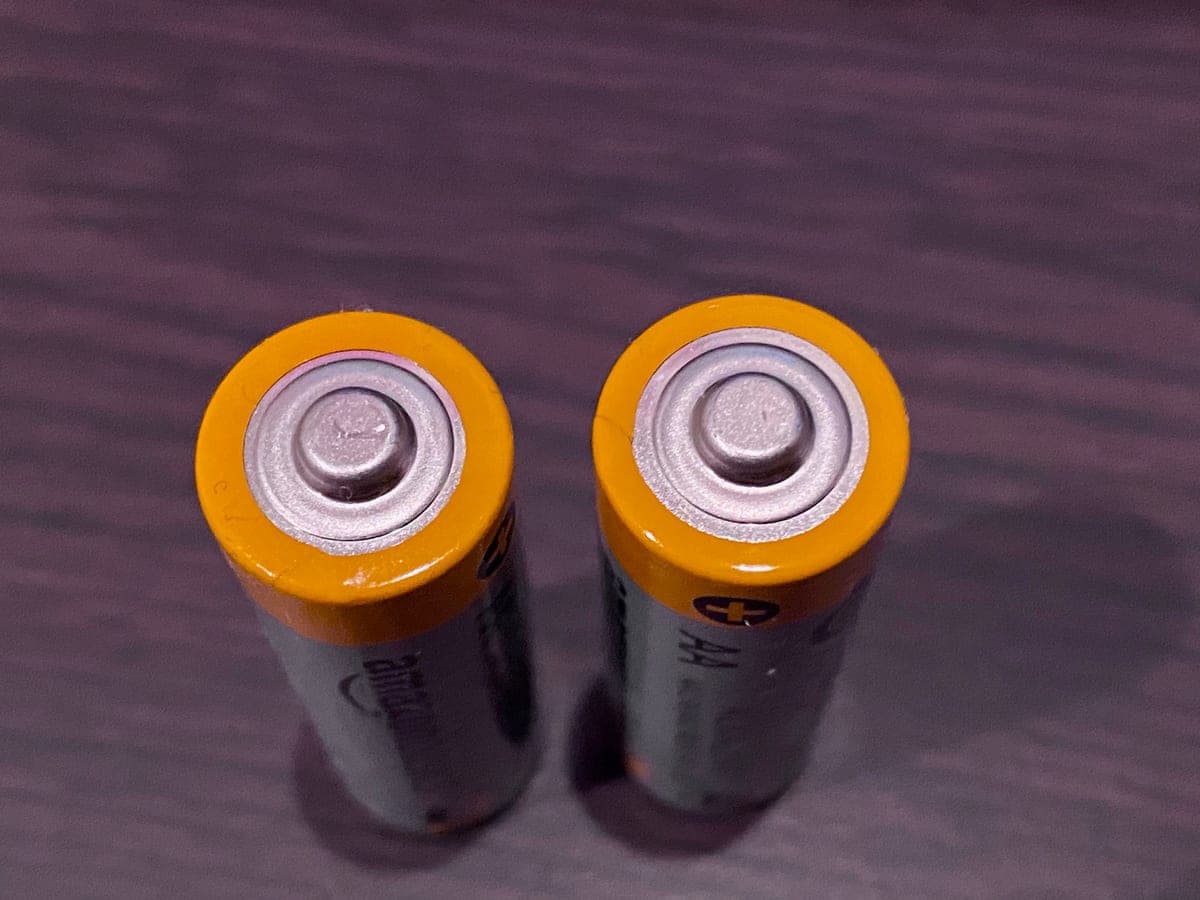
Heated clothing from established brands carries UL, CE or FCC certification and a controller that limits element temperature. The genuine risks are uncertified lithium packs, prolonged contact at the highest setting on skin with reduced sensation, and — for anyone with an implanted medical device — a question for your doctor, not for us.
Certification: the one thing to actually check
The heating element is not the risky component. Carbon fiber elements run at low power and are a mature technology. The lithium battery is the part that warrants attention, because it is an energy-dense cell you are wearing against your body for a season.
Established brands publish certification marks for their packs — UL2056 for power banks, plus CE and FCC. ororo, for instance, lists UL2056, CE, FCC, CB and WEEE for its PD line. That is the kind of statement you can look up, and it is what separates a mainstream product from a listing with a large capacity number and no verifiable brand behind it.
- Look for a specific certification, not a vague safety claim. "UL2056" is checkable. "CE certified safe" without a standard number is decoration.
- Be skeptical of very large capacity claims from unbranded sellers. An unverified capacity from an unverifiable seller is the one purchase in this category worth avoiding on principle.
- Do not mix chargers between brands. Voltages and connector polarities differ, and a mismatch is exactly the failure mode certification exists to prevent.
- Do not use a damaged pack. Swelling, a cracked case, a hot charge or an unexplained smell means stop, not persevere.
Burns and prolonged contact
Heated garments run at temperatures intended to be comfortable against skin through a layer, and the controller cycles the element rather than running it continuously. For most people, on most settings, this is not a concern.
There are two situations where it warrants more care. The first is prolonged contact at the highest setting directly against bare skin — the guidance from makers is generally to wear a layer underneath, and it is sensible guidance. The second is any circumstance where you may not feel heat building normally, which includes reduced sensation from a medical condition, and also includes falling asleep in the garment.
For anyone with reduced sensation, this is exactly the sort of thing to raise with a clinician before relying on the product. We cover the same point on heated socks for neuropathy and heated gloves for arthritis and Raynaud's, and we defer in the same way on both.
Pacemakers and implanted devices
This is a real and frequently searched question, and here is our answer: we are not going to give you one.
Not because it is unanswerable, but because it is a question about the interaction between an electrical device and an implanted medical device in a specific person's body — and the people equipped to answer it are your cardiologist and the manufacturer of your device. A clearance from a website is worth nothing, and a refusal from a website that has not read your device documentation is worth just as little in the other direction.
The same goes for any implanted or worn medical device — insulin pumps, neurostimulators, monitors. We will publish the garment's specifications so you can bring real numbers to that conversation. We will not substitute for it.
Batteries and air travel
One safety-adjacent area where there is a clear, checkable answer. The FAA limits lithium-ion batteries by energy: at or below 100 watt-hours travels freely in carry-on, 101 to 160 needs airline approval and is capped at two spares, and above 160 is not permitted.
Spare packs must always be carried on, never checked, with the terminals protected. Every mainstream heated apparel pack falls comfortably under 100 watt-hours — flying with heated clothing batteries has the full conversion table.
Practical habits
- Wear a layer underneath, particularly on the higher settings. It is what the makers advise and it is comfortable anyway.
- Do not sleep in a heated garment unless the maker specifically says it is designed for it.
- Take the battery out before washing, every time. See washing heated clothing.
- Charge indoors, at room temperature, on a hard surface. Not on a bed, not in a cold garage, not unattended overnight if you can avoid it.
- Retire a damaged pack rather than nursing it. Replacements are inexpensive relative to the alternative.
- Keep the paperwork. Certification marks and model numbers matter if you ever need to check something or make a claim.
Frequently asked
- Are heated jackets safe to wear?
- From established brands with certified packs, yes for most people. The elements run at low power and the controller limits temperature. The parts to be careful about are uncertified batteries and prolonged high-setting contact against bare skin.
- Are heated vests safe for pacemakers?
- We will not answer that, and we would be suspicious of any website that does. Ask your cardiologist and your device's manufacturer — their documentation covers electromagnetic interference directly. Take the garment's specifications with you so the conversation has real numbers in it.
- Can a heated jacket burn you?
- It is unlikely on normal use with a layer underneath, because the controller cycles the element to hold a temperature. The risk rises with prolonged contact at the highest setting on bare skin, and with any condition that reduces your ability to feel heat building.
- What certification should heated clothing have?
- Look for a specific standard on the battery — UL2056 for power banks, plus CE and FCC — rather than a vague safety claim. A named standard you can look up is worth far more than the words 'certified safe'.
- Is it safe to sleep in a heated jacket?
- Not unless the manufacturer specifically says the garment is designed for it. Sleeping removes your ability to notice heat building, which is the main mechanism protecting you on the higher settings.
Sources
Related
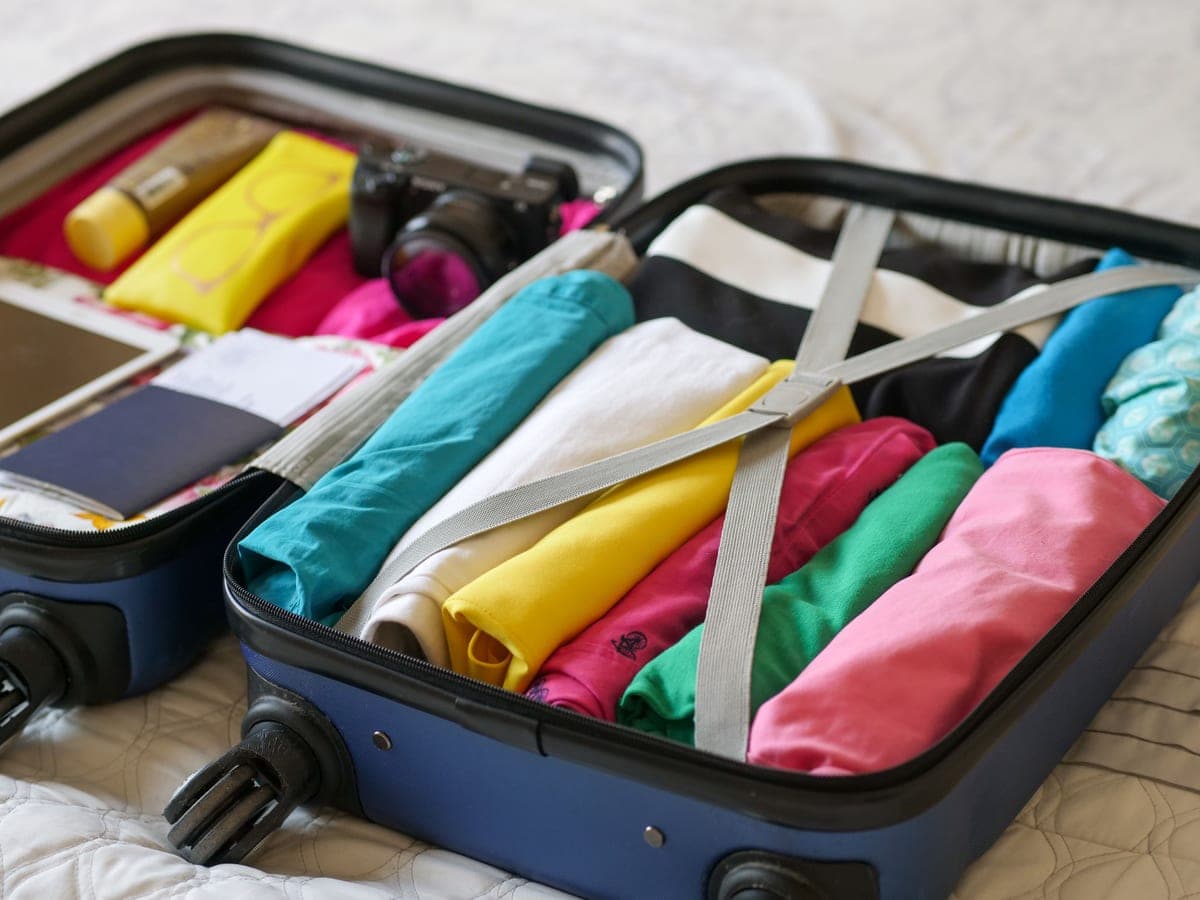
Flying with heated clothing, and the unit mismatch that makes it confusing
The FAA writes the rule in watt-hours; makers print milliamp-hours. The conversion table, and where every pack lands.
Washing heated clothing without wrecking it
Battery out, cold and gentle, dry flat. Four rules, a garment-by-garment table, and the part that cannot be repaired.
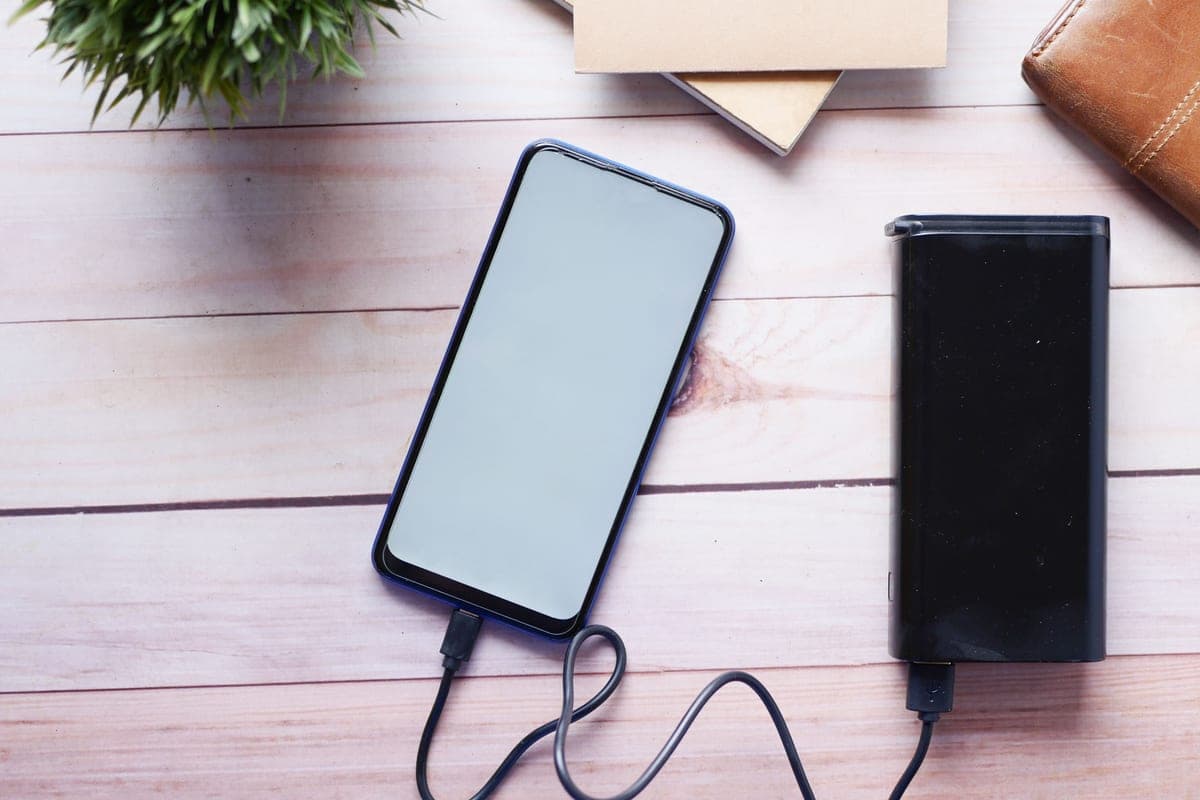
When the battery stops behaving: a diagnosis order
Five causes in the order worth checking. Four are cheap, and the connector is the one nobody suspects.

Heated gloves for arthritis and Raynaud's: what the product does
Fit, element placement and control granularity, described plainly. No medical claims — that conversation belongs with your doctor.

Heated socks and reduced sensation: what we can and cannot tell you
Control granularity, fit and element position, described plainly. The medical question stays with your doctor.

Heated jackets for kids, and the certificate that comes before the jacket
For a child 12 or under, a heated jacket legally needs a third-party-tested safety certificate. Two brands publish one. Plus why the long runtime is real, and why you must not size up.