Washing heated clothing without wrecking it
Most of these garments are machine washable. Nearly every failure comes from one of four mistakes, and all four are avoidable.
By Scooter M. · Published August 31, 2026
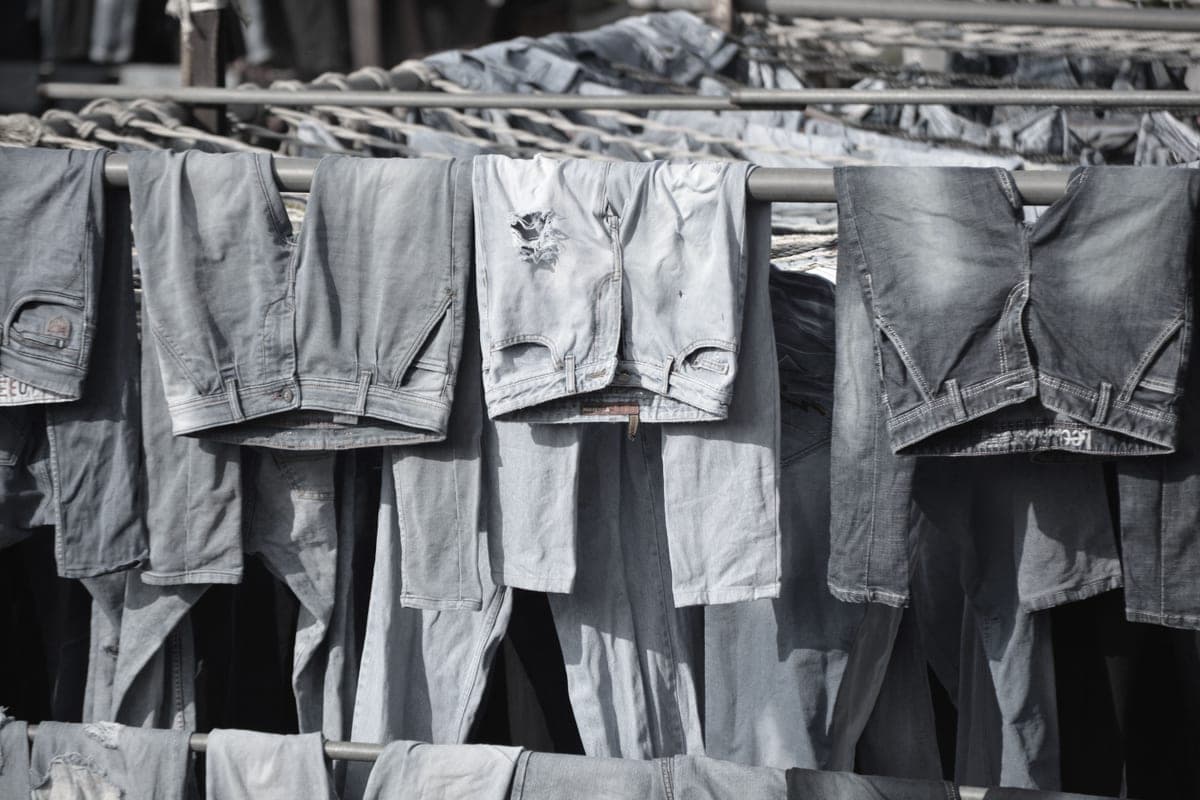
Remove the battery, close all zips, wash cold on a gentle cycle in a mesh bag, and dry flat. Never tumble dry, never wring, never dry clean, and never wash with the pack connected. The element is sewn into the garment and cannot be repaired if it breaks.
The four rules that matter
1. The battery comes out. Always.
This is the single most common way heated clothing is destroyed, and it destroys the expensive half. Lithium packs are not washable, not water resistant in any meaningful sense, and not covered by any warranty for water damage.
Check the pocket before every wash, not most washes. The pack lives in an inside pocket and is easy to forget, and the failure is total.
2. Cold water, gentle cycle, mesh bag
Heat degrades the adhesives and the element's insulation over time, and agitation is what breaks element runs. Cold water on a gentle or delicates cycle addresses both. A mesh laundry bag stops the garment tangling with anything that could snag or twist it.
Close every zip and fasten every fastener first. An open zip is a hook, and the thing it will hook is a heating element run.
3. Never tumble dry, never wring
A tumble dryer combines the two things element runs cannot survive: sustained heat and repeated sharp flexing. It is the second most common cause of a dead zone.
Wringing is worse per action, because it concentrates a twist at one point in the run. Press water out gently between towels instead, then dry flat, away from radiators and direct sun. Flat matters — hanging a wet heated garment puts the whole weight of the water on the shoulder seams, which is exactly where element runs cross a flex point.
4. No dry cleaning, no bleach, no fabric softener
Dry cleaning solvents attack the element's insulation and the adhesives holding the panels. Bleach degrades the fibers. Fabric softener coats the fabric in a residue that is bad for technical materials generally and does nothing you want here.
Garment by garment
| Garment | Machine washable? | Notes |
|---|---|---|
| Shell jacket or vest | Usually yes | Cold, gentle, battery out, zips closed, dry flat |
| Fleece vest | Usually yes | As above. Fleece attracts lint — wash separately |
| Down vest or jacket | Down-specific care | Down needs its own detergent and a careful dry. Read the label |
| Heated socks | Usually yes | Battery out, mesh bag, dry flat. One of the most washable items here |
| Heated gloves | Usually spot clean only | Full gloves rarely tolerate immersion. Check the label |
| Heated glove liners | Usually hand wash | Battery out, cool water, press dry, never wring |
Always follow the label on your specific garment. The rows above describe the norm for each type, not a substitute for the maker's instructions.
Before the wash: the connector
Two minutes here saves a lot of confusion later. Look inside the barrel connector for lint before washing, and check it again after. Compacted lint in the connector is the single most common cause of a heated garment that stops working after a wash — and it gets blamed on the wash when it is really a five-second fix.
If the garment comes out of the wash and does not heat, do not assume the worst. Work the troubleshooting order: connector, charger, temperature, pack age, then element. The expensive answer is last for a reason.
Between washes
- Wash less often than you would a normal garment. Every cycle is wear on the element runs. Spot clean where you can.
- Air it after use rather than washing it. Most of what you are washing out is moisture, and airing handles that.
- Store it hanging or flat, not folded hard. A permanent crease across an element run is a stress concentration you are building on purpose.
- Store the pack separately, indoors, at about half charge. Different item, different rules — see cost to run for the pack-care list.
- Never store it damp. Obvious, and still how a lot of technical clothing dies.
What cannot be fixed
A broken element run. The elements are sewn into the garment's construction with no serviceable access, so if one zone stops heating while the others work, that is a warranty conversation rather than a repair.
Which is the real reason to take the rules above seriously. The battery is a consumable and replaceable. The element is neither.
Frequently asked
- Can you wash a heated jacket?
- Most shell and fleece heated jackets can be machine washed cold on a gentle cycle with the battery removed and the zips closed. Dry flat, never tumble. Down-filled models need down-specific care, and always follow your garment's label.
- What happens if you wash a heated jacket with the battery in?
- You destroy the battery, and water damage is not covered by any warranty. Checking the pocket before every wash is the single most valuable habit in owning heated clothing.
- Can you tumble dry heated clothing?
- No. A tumble dryer combines sustained heat with repeated sharp flexing, which is exactly what breaks element runs. Press the water out between towels and dry flat, away from radiators and direct sun.
- Can you dry clean a heated jacket?
- No. Dry cleaning solvents attack the insulation on the element and the adhesives holding the panels in place. Skip bleach and fabric softener too.
- My heated jacket stopped working after washing. What now?
- Check the connector first — compacted lint in the barrel is by far the most common cause and takes seconds to clear. Then work through the troubleshooting order. A genuinely broken element is last on the list and is a warranty matter.
Sources
Related
When the battery stops behaving: a diagnosis order
Five causes in the order worth checking. Four are cheap, and the connector is the one nobody suspects.
How heated clothing actually works
Element, controller, battery — and why insulation is the half of the system nobody sells you.

Heated Jackets
The biggest category and the noisiest claims. We convert capacity and voltage into watt-hours, then into hours at each setting.

Heated Socks
One toe element, one 7.4V pack, roughly 16 watt-hours a foot. The simplest arithmetic on the site.
What it costs to run heated clothing
0.71 cents a charge at the EIA average rate. The full table, the space-heater comparison, and the cost that does add up.