Can you wear heated clothing in the rain?
Yes, and the reason to be careful is not the one people expect. The fabric is rarely the weak point; the battery pocket and the connector are, and not one maker in this category rates either.
By Scooter M. · Published October 23, 2026
How this is funded: buy links here are tagged and earn us a commission at no extra cost to you. It does not affect what we recommend, and we take no free product and no sponsorship. Read the disclosure.

Yes — wearing heated clothing in the rain is normal and the garments are built for weather. The caution is narrower than people expect: of the 78 heated garments this site has cataloged, exactly three use the word "waterproof" and none publish a measurable water rating of any kind. So the right structure for wet cold is a heated vest or liner under a rain shell you already trust, not a heated jacket relying on an unrated claim. The one real rule is that a soaked battery should not go back on the charger.
Who each pick is for, in one line
- TIDEWE heated jacket — best heated outer layer for wet cold: one of only three garments here claiming a waterproof shell, on a 5 V USB bank so a spare is a commodity item.
- SNOW DEER waterproof mitten (3,000 mAh) — best for wet hands. A stated waterproof claim on the largest published pack in heated handwear.
- SAVIOR HEAT heated mittens — best when your hands go numb in the wet regardless: "waterproof and windproof" 100D twill with a laminated coating, and the weakest spec sheet here.
- Venustas heated hunting jacket — best for all-day wet sits: a PFC-free DWR finish on ultra-silent fabric, over the largest apparel pack on this site at a published 74 Wh.
- TIDEWE heated gloves — best documented wet-weather glove, and honest about being water-resistant rather than waterproof: it publishes the coating weight.
What 78 garments actually claim
We went through every product in this site's registry and pulled out the maker's own water wording. The distribution is the finding.
| Claim, as the maker words it | How many | Examples |
|---|---|---|
| "Waterproof" with no rating | 3 | SAVIOR HEAT mittens ("waterproof and windproof; 100D twill with laminated coating"), TIDEWE heated jacket ("waterproof polyester with 120 g insulation"), KEMIMOTO heated pants ("waterproof softshell") |
| "Water-resistant" / "wind and water resistant" | ~10 | DEWALT duck canvas, Gobi Heat duck cotton and nylon, Fieldsheer nylon with PFC/PFAS-free DWR, TIDEWE gloves ("140 GSM water-resistant coating") |
| "Water-repellent" / DWR finish | several | SAVIOR 7.4V gloves, DEWALT quilted vest, Venustas hunting line (PFC-free DWR) |
| "Splash-proof" | 2 | WASOTO gloves and mittens — whose Amazon listing titles both say "Waterproof" while the maker's own page says splash-proof |
| A published IP rating or hydrostatic head | 0 | Not one garment, not one pack, not one battery pocket |
That last row is the one to carry away. Every other row is a marketing gradation with no test behind it, and the only one that would let you compare two garments honestly does not exist anywhere in this category.
Quick picks
Tap any row to jump to the full write-up below. The energy column is the pack’s capacity times its voltage — the number this category does not print.
| # | Product | Best for | Energy | Price |
|---|---|---|---|---|
| 1 |  TIDEWE Heated Jacket with Heated Seat PocketFour zones, a waterproof shell, and a heated cushion that unzips out of the back pocket — which is a genuinely good id… | The only jacket here with a heated seat in it | 37.0 Wh | $139.99View on Amazon |
| 2 |  SNOW DEER Waterproof Heated Mittens, 7.4V 3000mAhThe same brand's bigger pack in a shell that claims to be waterproof rather than splash-proof — 22.2 Wh a hand instead… | A waterproof mitten on the larger pack | 22.2 Wh | $139.99View on Amazon |
| 3 |  SAVIOR HEAT Heated Ski MittensPhysics before electronics: fingers sharing one chamber lose less heat than fingers in separate ones, so a mitten gets… | The coldest hands on the list | 16.3 Wh | $129.99View on Amazon |
| 4 |  Venustas Men's Heated Silent Hunting Jacket (Next Camo G2)74 published watt-hours, five zones including both arms and ultra-silent fabric — the most complete hunting-specific s… | Heated sleeves in camo, on the biggest pack here | 74.0 Wh | $199.99View on Amazon |
| 5 |  TIDEWE Heated Hunting Gloves (two packs included)TIDEWE publishes the one number the rest of this category withholds — 22.2 Wh per hand — and then publishes a temperat… | The only heated glove here that publishes watt-hours | 22.2 Wh | $79.99View on Amazon |
#ad — buy links are tagged and earn us a commission at no extra cost to you. Prices come from a live feed; where none is available the button reads “Check price” rather than showing a number we cannot stand behind. How we are funded.
TIDEWE Heated Jacket with Heated Seat Pocket
Four zones, a waterproof shell, and a heated cushion that unzips out of the back pocket — which is a genuinely good idea for anyone who sits on cold ground, and the reason this is the pick for a stand hunt.
The numbers
- Energy
- 37.0 Wh
- Zones
- Four, plus the heated seat
- Pack
- 10,000 mAh USB bank, about 37 Wh
- Claims
- 10 h low / 5.5 h medium / 3 h high
- Shell
- Waterproof polyester with 120 g insulation
- Heat zones
- Four target zones, plus a separately heated seat cushion in the back pocket
- Settings
- Three, color-coded on the controller
- Care
- Not stated on this listing
On wattage: No wattage published. Against 37 Wh, the three claims invert to roughly 3.7 W on low, 6.7 W on medium and 12.3 W on high — believable for four zones, and near-identical to what TIDEWE's own vest and pants imply. That is worth noticing: three garments with different zone counts and different areas, all quoting the same runtime triplet.
On the pack: Runs off TIDEWE's 10,000 mAh USB power bank — about 37 Wh once you rate it the way USB banks are rated. The same pack powers TIDEWE's vest, pants and seat cushion, so one spare covers the whole outfit.
What we like
- The heated seat cushion is a real answer to sitting on frozen ground, and nothing else on this site has one
- A runtime published for all three settings, so the claims can be inverted
- Waterproof shell in a hunting pattern, which narrows the field considerably
- Shares one pack with TIDEWE's vest, pants and gloves-adjacent gear
What we do not
- No wattage published, and the pack's capacity has to be read at cell voltage to make sense
- The same 10/5.5/3 triplet appears on garments with different zone counts, which suggests a line-wide figure rather than a per-garment measurement
- No care instructions on the listing
- Camo only in this variant, which is the wrong look away from a hunt
Who this suits
A hunter who sits still on cold ground and wants the seat heated as well as the torso.
Who should skip it
You want a jacket for town. The pattern, the cut and the seat cushion are all built for a hide.
Spec sources: Amazon — TIDEWE heated jacket with zippered back pocket heater, Next Camo G2 (four heating zones, three levels, 10 h low / 5.5 h medium / 3 h high, 10,000 mAh pack) · TIDEWE — 10,000 mAh power bank for heated apparel (5 V / 2.4 A dual-USB output, 6.7 oz, UL/FCC/RoHS/CE, one-year warranty)
SNOW DEER Waterproof Heated Mittens, 7.4V 3000mAh
The same brand's bigger pack in a shell that claims to be waterproof rather than splash-proof — 22.2 Wh a hand instead of 16.3, which is the single most useful upgrade available in heated handwear.
#ad Price as of October 23, 2026. How we are funded.
The numbers
- Energy
- 22.2 Wh
- Pack
- 7.4 V, 3,000 mAh per hand — 22.2 Wh, stated in the title
- Shape
- Mitten — fingers share one chamber
- Weather
- Waterproof, per the listing
- Screen use
- Touchscreen, per the listing
- Runtime
- Not published
- Heat zones
- Not stated on the listing
- Settings
- Not stated on the listing
- Care
- Not stated
On wattage: No wattage and no runtime published for this mitten, so the 22.2 Wh cannot be turned into hours. Figures circulate for other SNOW DEER mittens; we have not borrowed them for this one. What the energy DOES allow is a fair comparison: against WASOTO's inverted 3.1 W low setting on an identical 22.2 Wh pack, this mitten would run about seven hours — but that is WASOTO's draw, not SNOW DEER's, and we are not going to present it as if it were.
On the pack: 7.4 V and 3,000 mAh are both stated in the listing title, which gives 22.2 Wh per hand — 36% more energy than the 2,200 mAh packs SNOW DEER's other mitten and SAVIOR's whole extremity line run on. That is the difference between a long morning and a short one, and it is the only figure here that is published.
What we like
- 22.2 Wh per hand — the larger of the two pack sizes this brand sells, and the figure is in the title
- A waterproof claim rather than a water-resistant one, which matters more at a fishing hole than anywhere else
- Mitten geometry, which keeps fingers warmer than a glove at any given power
- Touchscreen-compatible, so the phone does not cost you a bare hand
- Room inside for a thin liner, which is the cheapest way to extend any mitten
What we do not
- Publishes the battery and nothing else — no runtime, no settings count, no element layout, no temperatures
- No wattage, so the 22.2 Wh cannot be converted into hours by us or anyone else
- Costs meaningfully more than the brand's 2,200 mAh mitten for an undocumented amount of extra heat
- A mitten has no dexterity; it comes off for anything fiddly
- The waterproof claim is the listing's, with no rating behind it
Who this suits
An ice angler, a spectator or anyone stationary in wet cold who wants the biggest pack in a mitten and can live without a runtime figure.
Who should skip it
You want to plan a day around a number. This listing gives you the energy and refuses to tell you how fast it leaves.
Spec sources: Amazon — SNOW DEER heated mittens, waterproof, touchscreen, "7.4V 3000mAh Battery" stated in the listing title (22.2 Wh per hand by conversion). The listing states the voltage and the capacity and nothing else that bears on power. · Amazon — SNOW DEER 7.4V 2200mAh replacement pack
SAVIOR HEAT Heated Ski Mittens
Physics before electronics: fingers sharing one chamber lose less heat than fingers in separate ones, so a mitten gets more warmth out of the same watt-hours than a glove does.
#ad Price as of October 23, 2026. How we are funded.
The numbers
- Energy
- 16.3 Wh
- Pack
- 7.4 V, 2,200 mAh per hand — about 16.3 Wh
- Capacity conflict
- SAVIOR's own Tech Specs says 3,000 mAh instead
- Coverage
- Full hand including palm, per SAVIOR
- Shell
- Waterproof and windproof; 100D twill with laminated coating
- Format
- Mitten
- Heat zones
- "Full-Hand Heating Coverage" from "Carbon fiber heating elements", with "Added palm heating" as well as the back of the hand, per SAVIOR
- Settings
- Three, published as Low 104-113°F, Medium 122-131°F and High 131-149°F
- Care
- "Hand washing is recommended, and the battery should be removed before cleaning", per SAVIOR
On wattage: Not published, and barely derivable — this is the worst-documented product this site recommends first anywhere. SAVIOR's own page gives THREE different runtime sets and TWO different capacities. Taking the hours above against 16.3 Wh gives about 6.5 W high, 2.7 W medium and 2.0 W low; swap in the Tech Specs hours (2-3 / 5-6 / 10-12) or the 3,000 mAh figure and the implied low-setting draw moves between about 1.4 W and 3.7 W. A 2.7x spread, entirely from one manufacturer page.
On the pack: 7.4 V, 2,200 mAh per hand — about 16.3 Wh — which is the figure in SAVIOR's own body copy and matches the replacement-pack listing. SAVIOR's Tech Specs block on the SAME page says "7.4V 3000mAh battery" instead, which would be 22.2 Wh. We use the smaller figure because it is the one two independent sources agree on, and we flag the disagreement rather than averaging it.
What we like
- Mitten geometry keeps fingers warmer at any given power level
- Better for circulation-limited hands than a fingered glove
- Same pack family as the rest of the SAVIOR line
What we do not
- You cannot do anything precise in them
- SAVIOR's own page contradicts itself on capacity (2,200 vs 3,000 mAh) and gives three different runtime sets
- No wattage published, and the runtime conflict makes it hard to derive one
- Getting them on and off around a pole strap is a fiddle
Who this suits
Skiers and anyone whose hands go numb regardless of what they wear.
Who should skip it
You need to hold a tool, a camera or a phone.
Spec sources: Savior Heat — Heated Ski Mittens, the brand's own product page ("Three Adjustable Heating Settings"; "3 heat levels (Low: 104-113°F, Medium:122-131 °F, High: 131- 149°F)"; "Carbon fiber heating elements" with "Full-Hand Heating Coverage" and "Added palm heating helps warm every finger, fingertip, palm, and back of hand"; "Waterproof and windproof materials"; velvet lining and "100D twill fabric with laminated coating" outer; "hand washing is recommended, and the battery should be removed before cleaning"; "Free 1-Year Extended Warranty"; product named "S66E Classic Heated Winter Mittens". THE PAGE CONTRADICTS ITSELF: the body copy says "7.4V 2200mAh rechargeable battery power" while the Tech Specs section says "7.4V 3000mAh battery", and it gives THREE different runtime sets — Heating Performance "High: 149°F / 65°C | Up to 2.5H Runtime", "Medium: 131°F / 55°C | Up to 6H Runtime", "Low: 113°F / 45°C | Up to 8H Runtime"; Tech Specs "High: 2-3 hours", "Medium: 5-6 hours", "Low: 10-12 hours"; and the FAQ "about 2–3 hours on high, 4–5 hours on medium, and 6–10 hours on low") · Amazon — SNOW DEER 7.4V 2200mAh replacement pack
Venustas Men's Heated Silent Hunting Jacket (Next Camo G2)
74 published watt-hours, five zones including both arms and ultra-silent fabric — the most complete hunting-specific spec sheet we have converted.
The numbers
- Energy
- 74.0 Wh
- Maker's stated energy
- 74 Wh at 7.4 V — published by Venustas
- Arms heated
- Yes — 2 of the 5 zones
- Fabric
- Ultra-silent, FELLEX insulation, Next Camo G2
- Sizes
- S to 4XL
- Heat zones
- Left and right chest, left and right arm, and mid-back, per Venustas
- Settings
- Three — low, medium and high. No temperatures published
- Care
- Machine washable, per Venustas
On wattage: No wattage published. Venustas's own figures invert to about 3.7 W for the whole garment at the 20-hour claim — roughly 0.74 W per zone across five zones. That is a very low draw, which tells you the 20-hour figure describes the LOWEST setting on an insulated garment rather than anything you would run in real cold. Venustas does not say which setting it refers to, and we will not assume.
On the pack: Venustas publishes "74Wh" directly rather than making you multiply a milliamp-hour figure by a voltage it never states. At 74 Wh this is the largest apparel pack on this site — nearly double a standard 7.4 V 5,200 mAh pack, and twice what the TIDEWE hunting jacket carries. On a long sit that is the number that matters most.
What we like
- Venustas publishes the watt-hours itself, which almost nobody in this category does
- 74 Wh is the largest apparel pack on this site — twice what the TIDEWE hunting jacket carries
- Ultra-silent fabric is a genuine hunting specification, not a marketing adjective
- Two of the five zones are in the arms, which most heated jackets skip entirely
- A three-year element warranty is advertised — though Venustas marks that term "Venustas Official Website Only", so check before assuming it covers a retail purchase
What we do not
- No temperatures and no per-setting runtimes — the 20-hour claim is one number with no setting attached
- Two of your five zones go to the arms, which on a motionless sit is not where you lose heat
- Heated sleeves add bulk at the shoulder and inner arm, which is where a stock or a bowstring goes
- Costs meaningfully more than the same brand's hunting vest on the identical battery
- No wattage published, so the draw is our inference from their runtime claim
Who this suits
A hunter who walks in a long way, or genuinely gets cold arms sitting, and wants camo and silence as well as heat.
Who should skip it
Your hunting is mostly sitting still. Two of the five zones are heating the part of you that needs to move freely, and the same brand's vest spends those zones on your neck and lower back instead.
TIDEWE Heated Hunting Gloves (two packs included)
TIDEWE publishes the one number the rest of this category withholds — 22.2 Wh per hand — and then publishes a temperature and a runtime for all three settings, which lets you check the claim instead of taking it.
#ad Price as of October 23, 2026. How we are funded.
The numbers
- Energy
- 22.2 Wh
- Maker's stated energy
- 22.2 Wh per hand
- Pack
- 7.4 V, two supplied
- Shell
- Seven-layer, 3M insulation, 140 GSM water-resistant coating
- Claims
- All three settings, with temperatures
- Heat zones
- Not specified by TIDEWE beyond the heated glove body
- Settings
- Three
- Care
- Not stated by TIDEWE
On wattage: No wattage published, but with three claims and a real watt-hour figure the draw can be inverted three ways instead of guessed once. The high-setting claim implies about 6.3 W per hand at the optimistic end of the range and 8.9 W at the pessimistic end.
On the pack: 22.2 Wh at 7.4 V is 3,000 mAh, one pack per hand. Publishing the figure in watt-hours rather than milliamp-hours is the honest way round, because watt-hours is the number that actually compares across voltages.
What we like
- Publishes energy in watt-hours, which nothing else in this category does
- A temperature AND a runtime for every setting, so the claim can be inverted
- Seven-layer shell with 3M insulation does real work before the element is on
- Two packs in the box rather than one
What we do not
- No wattage published, so the draw is still inferred rather than read
- TIDEWE does not state where the elements sit inside the glove
- No published care instructions
- Bulkier than a liner, which matters if you need to work a trigger or a zip
Who this suits
A hunter or an angler who is stationary in the cold and wants a claim that can be checked.
Who should skip it
You need dexterity more than heat. A liner under your own glove keeps the feel that a shell this thick removes.
Spec sources: TIDEWE — heated hunting gloves (7.4 V, 22.2 Wh, with a temperature and runtime published for all three settings)
The fabric is not the weak point
A heating element in a garment is a low-voltage resistive circuit, sealed into fabric, running at 5 V, 7.4 V or 12 V. None of those voltages present a shock hazard through damp fabric, and the elements themselves are built to survive being washed — most of these garments are machine washable with the battery removed, which is a wetter event than standing in rain.
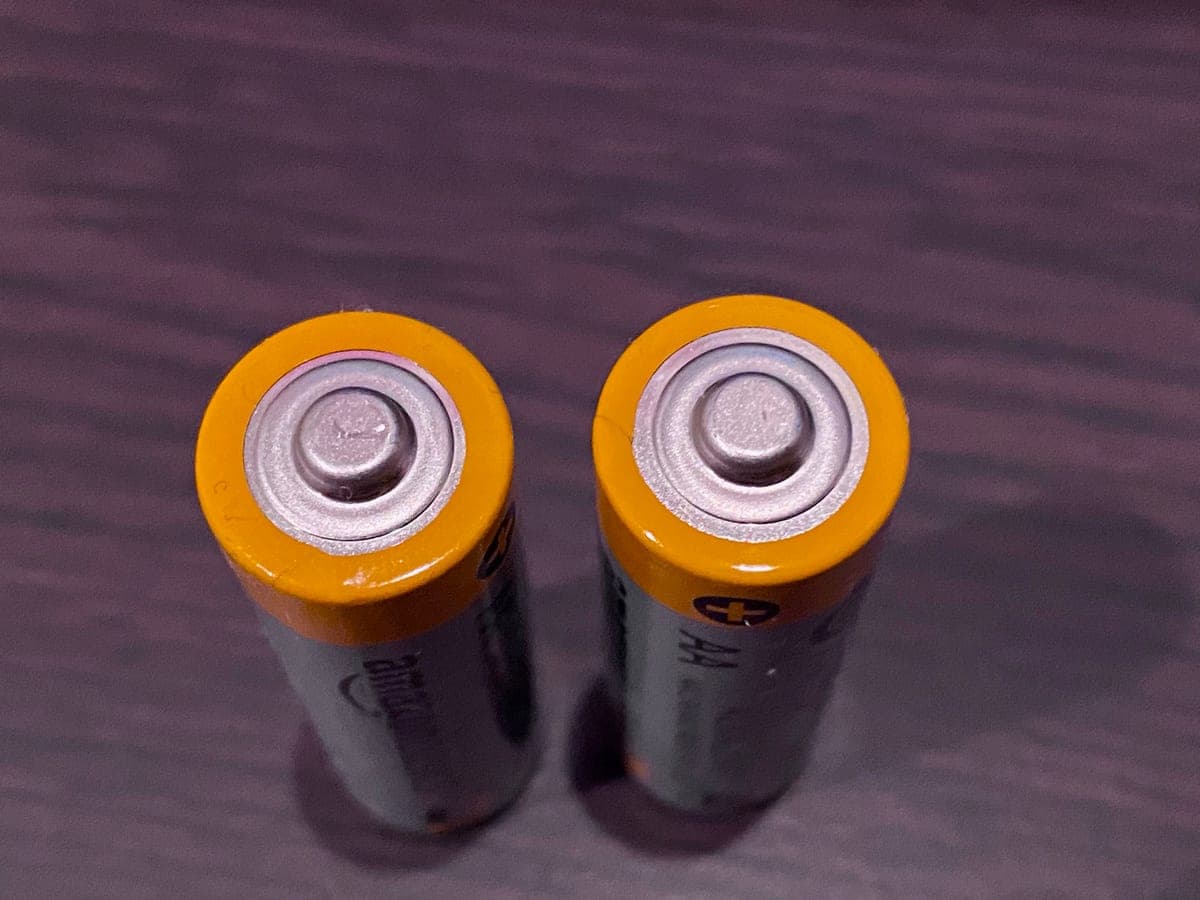
What is not built to be wet is the battery and its connector. Every 7.4 V garment here runs a barrel plug into a lithium pack sitting in a pocket, and the pocket is where water ends up: at the hem of a jacket, at the cuff of a glove, at the top of a sock. Not one maker on this page publishes an ingress rating for that pocket or for the pack in it.
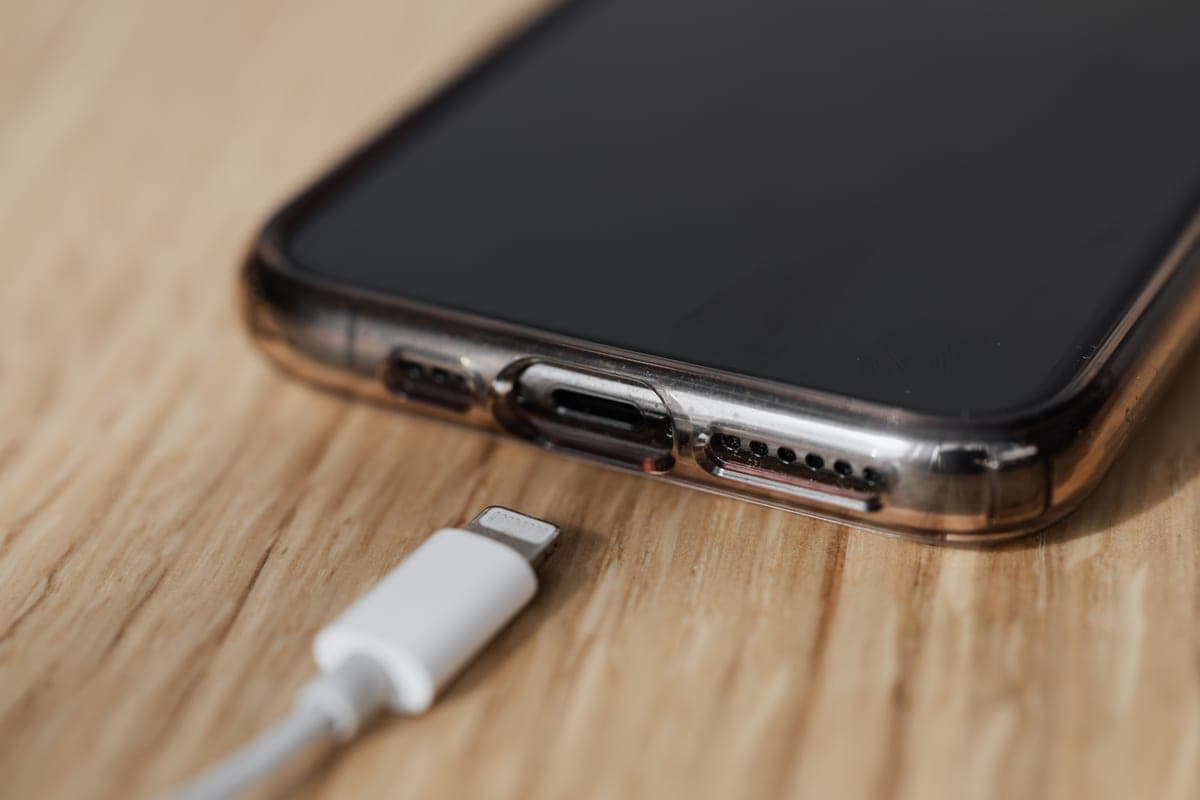
So the practical rules are about the pack rather than the garment, and they are short: keep the connector dry when you plug in, keep your spare in an inside pocket rather than an outer one — which also keeps it closer to its rated capacity, since lithium delivers less when cold — and do not charge a pack that has been soaked. Charging and care covers the charging side, and when the battery stops behaving covers diagnosis if something has already gone wrong.
Why wet cold costs you more heat than cold alone
This is the real reason to think about rain on a heated-clothing page, and it is physics rather than product. Insulation works by trapping still air, which conducts heat poorly. Water conducts heat far better than air does — the figure usually quoted in cold-exposure literature is roughly twenty-five times better — so insulation that has wetted out has not become slightly less effective, it has stopped doing the job it was built for.
Every watt-hour figure on this site assumes the garment is dry, because that is the only condition the makers' own runtime claims could possibly describe. Once the insulation is wet, the element is replacing a much larger heat loss, the controller runs it a much larger share of the time, and the pack empties faster than any published figure. There is no published correction for this and we are not going to invent one.
The useful consequence: in wet cold, keeping the water off the insulation is worth more than any amount of extra battery. A rain shell over a heated vest beats a bigger pack in a wet jacket, every time.
The structure that actually works in the wet
- A base layer that moves moisture, because in the wet a lot of the water is yours.
- The heated garment next, as close to the skin as comfort allows. Heat generated inside your insulation is retained; heat generated outside it escapes. Layering heated clothing is the free upgrade almost nobody uses and it matters more in the rain than anywhere else.
- Your insulating layer over that.
- A proper rain shell on the outside — a garment designed and rated to keep water out, which no heated garment in this category is. The shell is also doing the wind job, which reduces the heat loss the element is fighting.
This is the argument for the vest format in its strongest form. A heated vest under a coat you already own is more efficient than a heated jacket in dry weather, and in the wet it is also the only structure that puts a rated waterproof layer between the weather and your electronics.
What we would skip, and why
- Wearing any heated garment in sustained heavy rain without a shell over it
- Not one maker in this category publishes an ingress rating — no IP number, no hydrostatic head, nothing measurable. "Waterproof" on a heated apparel page is a marketing word with no test behind it, which means you have no basis for trusting it in conditions it was never rated for. A plain rain shell over a heated vest is both warmer and safer than a heated jacket claiming to be waterproof.
- Putting a soaked battery back on the charger
- This is the one genuine hazard in the whole subject. A lithium pack that has been immersed or thoroughly wetted should not be charged, and the connector should be dry before it is reconnected. We are not going to tell you a pack is safe after a soaking — that is a judgment about a specific lithium cell and none of these makers publish guidance for it.
- Washing a heated garment because it got rained on
- A different operation with different rules, and several makers in this category publish no care instructions at all. Washing heated clothing covers what each one does permit; the short version is battery out, cold, gentle, and never the dryer unless the maker specifically allows it.
- Reading "water-resistant" and "waterproof" as the same claim
- They are used as marketing gradations with nothing standardized behind them. Of the 78 garments cataloged here, the word used is "water-resistant", "water-repellent", "wind and water resistant" or "DWR" far more often than "waterproof" — and the difference between a DWR finish that sheds a shower and a membrane that holds out an hour of rain is enormous and unpublished.
Our criteria, and what we did not do
- The maker's own water wording, quoted exactly, not paraphrased into a stronger claim than it makes.
- Any measurable rating recorded where it exists. Across 78 garments we have found none — no IP number, no hydrostatic head.
- Where the battery pocket sits and whether the maker rates it, treated as the real risk rather than the fabric.
- Published care instructions, because a garment that gets wet will eventually need washing.
- Published energy, converted, because the wet-weather answer still has to be a usable garment.
- We have not worn any of these, and we have not rain-tested anything. How we work.
We have not worn, tested or owned any of these products, and we say so on every page rather than in a footer. What we do instead is compile the published specifications and do the arithmetic. The full method.
The short answer, restated
Rain is fine. Standing in it all day in a heated jacket whose waterproof claim has no test behind it is a gamble you do not need to take, because the better structure is cheaper anyway: heat under your insulation, a rain shell over the top, the pack in an inside pocket, and the connector dry when you plug it in.
Frequently asked
- Can you wear a heated jacket in the rain?
- Yes. The element is a sealed low-voltage circuit and most of these garments are machine washable with the battery out, which is wetter than standing in rain. The caution is that no maker in this category publishes a measurable water rating, so in sustained rain the better structure is a heated vest or liner under a rain shell you already trust.
- Are heated jackets waterproof?
- Almost none of them, in any testable sense. Of the 78 heated garments cataloged on this site, three use the word "waterproof" and not one publishes an IP rating or a hydrostatic head figure. The usual wording is "water-resistant", "water-repellent" or a DWR finish, and the gap between those and a real membrane is large and unpublished.
- Is it safe to wear heated clothing when it is wet?
- The garment side is not the concern — these run at 5 V, 7.4 V or 12 V and the elements are sealed. The battery is the part to look after: keep the connector dry when you plug in, keep your spare in an inside pocket, and do not charge a pack that has been soaked. For anything beyond that, ask the maker or a qualified professional; we do not issue safety clearances.
- Will rain stop my heated jacket from working?
- Not directly, but it will drain it faster. Insulation works by trapping still air, and water conducts heat far better than air, so wet insulation stops insulating. The element then has to replace a much larger loss and the controller runs it a greater share of the time. No maker publishes a correction for this, so treat every published runtime as a dry-weather figure.
- What should I wear over a heated vest in the rain?
- A proper rain shell — a garment actually designed and rated to keep water out, which no heated garment here is. That ordering also happens to be the most efficient one: heat generated inside your insulation is retained, so the heated layer belongs under the insulation and the shell belongs on the outside.
Sources
- Savior Heat — Heated Ski Mittens product page ("Waterproof and windproof materials", "100D twill fabric with laminated coating" — one of only three waterproof claims in this site's registry, with no rating behind it)
- WASOTO — WG001 Classic Heated Gloves: the maker's own page claims only "splash-proof and windproof" twill, where the Amazon listing title for the same product says "Waterproof"
- DEWALT — Heated Work Jacket Kit: "durable water- and wind-resistant duck fabric outer shell", with no rating and no care instruction published
- TIDEWE — heated hunting gloves, which publish the coating weight ("140 GSM water-resistant coating") rather than claiming waterproofing they cannot support
Related

Guides
The questions the product pages do not answer: sizing, zones, safety, washing, cost.
Heated clothing safety: what to check, and what to ask a professional
Certification marks worth checking, the burn question, and the medical-device question we send to your doctor.
Washing heated clothing without wrecking it
Battery out, cold and gentle, dry flat. Four rules, a garment-by-garment table, and the part that cannot be repaired.
Layering heated clothing: the free upgrade almost nobody uses
Heat source inside the insulation, weather protection outside. The ordering is free and almost everyone gets it backwards.
Charging a heated clothing battery, and making it last
Charge time is energy divided by charger watts. That sum, plus the storage habits that decide whether a pack lasts two winters or five.
Heated jacket or heated vest? Three questions decide it
Same pack, same elements, different amount of fabric. Three questions that settle which one you should buy.
Heated gloves for ice fishing, where your hands get wet on purpose
The one use case where your hands get wet on purpose. Which heated gloves state a waterproof claim, which publish their watt-hours, and the hinge that solves re-tying.
When the battery stops behaving: a diagnosis order
Five causes in the order worth checking. Four are cheap, and the connector is the one nobody suspects.