Gloves for Raynaud's, sorted by what the guidance says
Most pages on this topic start with products. This one starts with what the American College of Rheumatology, Cleveland Clinic and Kaiser Permanente actually recommend — and only then gets to the gloves, including the cheap ones we cannot sell you.
By Scooter M. · Published September 16, 2026
How this is funded: buy links here are tagged and earn us a commission at no extra cost to you. It does not affect what we recommend, and we take no free product and no sponsorship. Read the disclosure.
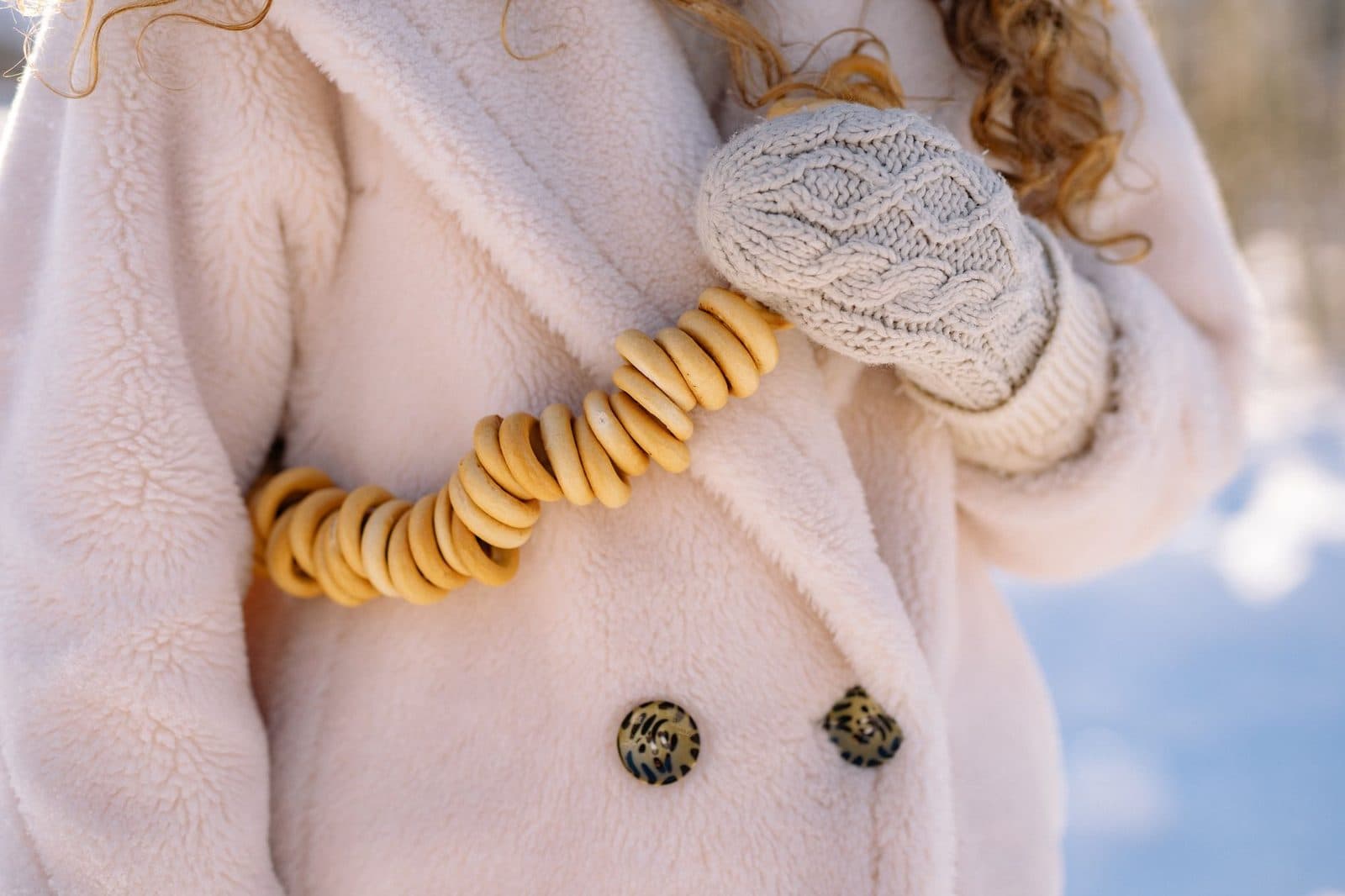
Clinical guidance points the same way: mittens are warmer than gloves, a thin glove under a mitten is warmer still, insertable warmers help, and nothing should be tight enough to restrict blood flow. Start there. Heated mittens or heated liners are the step up when passive layers are not enough — and compression gloves are an arthritis product we found no clinical recommendation for.
What the clinical guidance actually says
Raynaud's is a condition where blood vessels in the fingers and toes over-react to cold or stress and narrow sharply, and the fingers go white or blue and numb. Everything a glove can do for it comes down to one job: keep the fingers warm enough that the attack does not start. Here is what three clinical sources say about doing that.
| Source | What it says |
|---|---|
| American College of Rheumatology (updated February 2025) | Recommends "mittens/gloves, thick socks, and insertable warmers", plus stress reduction and smoking cessation |
| Cleveland Clinic (January 2024) | "Keeping your hands and feet warm is one of the mainstays in the management of Raynaud's"; wear "gloves, mittens or mitten caps" and keep hand warmers around |
| Kaiser Permanente care instructions (reviewed March 2026) | "Mittens are warmer than gloves because they keep your fingers together." "Gloves underneath mittens will keep your hands warmer than gloves alone." |
| Kaiser Permanente care instructions (reviewed March 2026) | "Do not wear clothing that is too tight. It can decrease or cut off blood flow." |
Quoted verbatim from the pages listed under Sources at the foot of this page. None of the three mentions battery-heated gloves specifically, which is worth knowing: heat is not a clinical requirement, it is a way of doing the recommended thing harder.
Every kind of glove, against that guidance
| Type | What the guidance says | Our read | Price bracket |
|---|---|---|---|
| Mittens | Warmer than gloves — fingers kept together | The foundation. Buy these first | Low |
| Thin glove under a mitten | Warmer than gloves alone | The best passive setup there is, and the liner stays on when the mitten comes off | Low |
| Insertable or chemical hand warmers | Recommended by ACR and Cleveland Clinic | Cheap, effective, disposable or rechargeable — slip one inside the mitten | Low |
| Heated mittens | Not addressed | The recommended shape with active heat added. The strongest heated option | Mid to high |
| Heated liners | Not addressed | The glove-under-mitten layer with heat in it, and the most dexterous heated option | Mid |
| Heated gloves | Not addressed | Useful when you need fingers outdoors. Less warm than a mitten by design | Mid |
| Compression gloves | No recommendation found; tight clothing warned against | An arthritis product. Follow a clinician if one recommends them to you | Low |
| Silver or copper fiber gloves | No recommendation found | Marketed for Raynaud's; we found no clinical source to support or rule them out | Low to mid |
Price brackets are qualitative on purpose. Live prices for the heated picks below come from our price feed and appear on the buttons; we do not print prices we cannot keep current.
Try the cheap layer first
This is the part of the page that earns us nothing, and it is the most useful paragraph on it.
The combination the guidance describes — a thin glove inside a mitten, with an insertable warmer — costs a small fraction of any battery-heated glove, has no charging, no connectors and no pack that dies at lunch. For a lot of people with primary Raynaud's it is simply enough, and they should stop there.
- A pair of mittens with room inside. Not snug. The room is where the liner and the warm air go.
- A thin liner glove — silk, merino or a synthetic liner. It keeps your fingers covered in the ten seconds the mitten is off to find your keys, which is exactly when an attack starts.
- An insertable warmer in the palm of the mitten on the coldest days. Disposable chemical ones or a rechargeable hand warmer both work.
- Warm the rest of you. A hat and a proper layer on the torso, per Cleveland Clinic. It changes what your circulation does to your fingers.
Wear that for a cold week. If the attacks still come on your commute, at the bus stop, on the sidelines or in the car park, that is when heat earns its price — and it slots straight into the same system: a heated liner replaces the thin one, or a heated mitten replaces the plain one.
Quick picks
Tap any row to jump to the full write-up below. The energy column is the pack’s capacity times its voltage — the number this category does not print.
| # | Product | Best for | Energy | Price |
|---|---|---|---|---|
| 1 |  SAVIOR HEAT Heated Ski MittensPhysics before electronics: fingers sharing one chamber lose less heat than fingers in separate ones, so a mitten gets… | The coldest hands on the list | 16.3 Wh | $109.99View on Amazon |
| 2 |  SNOW DEER Heated Mittens, 7.4V 2200mAhThe other established heated mitten on the shelf: the shape clinical guidance favors, on the same 7.4 V, 2,200 mAh pac… | A second mitten option, at a lower price bracket | 16.3 Wh | $119.99View on Amazon |
| 3 |  SAVIOR HEAT Heated Glove LinersThe most underrated format in heated apparel: a thin heated liner under your existing work glove beats a bulky heated … | Keeping the gloves you already own | 16.3 Wh | $107.99View on Amazon |
| 4 |  TIDEWE Heated Hunting Gloves (two packs included)TIDEWE publishes the one number the rest of this category withholds — 22.2 Wh per hand — and then publishes a temperat… | The only heated glove here that publishes watt-hours | 22.2 Wh | $79.99View on Amazon |
| 5 |  KEMIMOTO Heated Hunting Gloves, CamoA thin, flexible camo glove for people who lose more to bulk than to cold — and a clean example of the category's habi… | Thin camo cover when bulk is the problem | — | $78.28View on Amazon |
#ad — buy links are tagged and earn us a commission at no extra cost to you. Prices come from a live feed; where none is available the button reads “Check price” rather than showing a number we cannot stand behind. How we are funded.
SAVIOR HEAT Heated Ski Mittens
Physics before electronics: fingers sharing one chamber lose less heat than fingers in separate ones, so a mitten gets more warmth out of the same watt-hours than a glove does.
The numbers
- Energy
- 16.3 Wh
- Pack
- 7.4 V, 2,200 mAh per hand — about 16.3 Wh
- Capacity conflict
- SAVIOR's own Tech Specs says 3,000 mAh instead
- Coverage
- Full hand including palm, per SAVIOR
- Shell
- Waterproof and windproof; 100D twill with laminated coating
- Format
- Mitten
- Heat zones
- "Full-Hand Heating Coverage" from "Carbon fiber heating elements", with "Added palm heating" as well as the back of the hand, per SAVIOR
- Settings
- Three, published as Low 104-113°F, Medium 122-131°F and High 131-149°F
- Care
- "Hand washing is recommended, and the battery should be removed before cleaning", per SAVIOR
On wattage: Not published, and barely derivable — this is the worst-documented product this site recommends first anywhere. SAVIOR's own page gives THREE different runtime sets and TWO different capacities. Taking the hours above against 16.3 Wh gives about 6.5 W high, 2.7 W medium and 2.0 W low; swap in the Tech Specs hours (2-3 / 5-6 / 10-12) or the 3,000 mAh figure and the implied low-setting draw moves between about 1.4 W and 3.7 W. A 2.7x spread, entirely from one manufacturer page.
On the pack: 7.4 V, 2,200 mAh per hand — about 16.3 Wh — which is the figure in SAVIOR's own body copy and matches the replacement-pack listing. SAVIOR's Tech Specs block on the SAME page says "7.4V 3000mAh battery" instead, which would be 22.2 Wh. We use the smaller figure because it is the one two independent sources agree on, and we flag the disagreement rather than averaging it.
What we like
- Mitten geometry keeps fingers warmer at any given power level
- Better for circulation-limited hands than a fingered glove
- Same pack family as the rest of the SAVIOR line
What we do not
- You cannot do anything precise in them
- SAVIOR's own page contradicts itself on capacity (2,200 vs 3,000 mAh) and gives three different runtime sets
- No wattage published, and the runtime conflict makes it hard to derive one
- Getting them on and off around a pole strap is a fiddle
Who this suits
Skiers and anyone whose hands go numb regardless of what they wear.
Who should skip it
You need to hold a tool, a camera or a phone.
Spec sources: Savior Heat — Heated Ski Mittens, the brand's own product page ("Three Adjustable Heating Settings"; "3 heat levels (Low: 104-113°F, Medium:122-131 °F, High: 131- 149°F)"; "Carbon fiber heating elements" with "Full-Hand Heating Coverage" and "Added palm heating helps warm every finger, fingertip, palm, and back of hand"; "Waterproof and windproof materials"; velvet lining and "100D twill fabric with laminated coating" outer; "hand washing is recommended, and the battery should be removed before cleaning"; "Free 1-Year Extended Warranty"; product named "S66E Classic Heated Winter Mittens". THE PAGE CONTRADICTS ITSELF: the body copy says "7.4V 2200mAh rechargeable battery power" while the Tech Specs section says "7.4V 3000mAh battery", and it gives THREE different runtime sets — Heating Performance "High: 149°F / 65°C | Up to 2.5H Runtime", "Medium: 131°F / 55°C | Up to 6H Runtime", "Low: 113°F / 45°C | Up to 8H Runtime"; Tech Specs "High: 2-3 hours", "Medium: 5-6 hours", "Low: 10-12 hours"; and the FAQ "about 2–3 hours on high, 4–5 hours on medium, and 6–10 hours on low") · Amazon — SNOW DEER 7.4V 2200mAh replacement pack
SNOW DEER Heated Mittens, 7.4V 2200mAh
The other established heated mitten on the shelf: the shape clinical guidance favors, on the same 7.4 V, 2,200 mAh pack class as SAVIOR's — with a spec sheet that stops at the battery.
#ad Price as of October 17, 2026. How we are funded.
The numbers
- Energy
- 16.3 Wh
- Shape
- Mitten — fingers share one chamber
- Pack
- 7.4 V, 2,200 mAh per hand, stated in the title
- Runtime
- Not published for this mitten
- Heat zones
- Not stated on the listing
- Settings
- Not stated on the listing
- Care
- Not stated
On wattage: No wattage and no runtime published for this mitten, so the 16.3 Wh cannot be turned into hours. Runtime figures do circulate for other SNOW DEER mitten variants; we have not borrowed them for this one.
On the pack: The listing title states 7.4 V and 2,200 mAh, which is about 16.3 Wh per hand. SNOW DEER's own store lists the same figures and nothing further for this mitten — no heat-setting count, no element placement, no runtime.
What we like
- A mitten, which is the shape clinical guidance says is warmer than a glove
- Pack capacity and voltage stated on the listing itself
- Same pack class as SAVIOR's extremity gear, so spares are easy to find
- Room inside for a thin liner, which is the layering clinicians describe
What we do not
- Publishes the battery and almost nothing else — no settings count, no element layout, no runtime
- No wattage published
- A mitten has no dexterity; it comes off for anything fiddly
- 16.3 Wh per hand is a small budget for a long day out
Who this suits
Someone with cold-sensitive hands who wants a heated mitten and is comfortable buying on the shape and the stated pack.
Who should skip it
You want to know the runtime before you buy. This listing does not tell you.
Spec sources: Amazon — SNOW DEER heated mittens, 7.4V 2200mAh rechargeable battery (stated in the listing title) · Amazon — SNOW DEER 7.4V 2200mAh replacement pack
SAVIOR HEAT Heated Glove Liners
The most underrated format in heated apparel: a thin heated liner under your existing work glove beats a bulky heated glove for anyone who has to actually use their hands.
The numbers
- Energy
- 16.3 Wh
- Pack
- 7.4 V, 2,200 mAh per hand
- Thickness
- Liner — fits inside a work or ski glove
- Touchscreen
- Yes, per the listing
- Heat zones
- Back of hand and fingers
- Settings
- Three
- Care
- Hand wash with the battery out
On wattage: No published wattage. Small packs and a small element area, so the runtime spread between settings is wide.
On the pack: Liner packs in this class are 7.4 V, 2,200 mAh. The capacity is stated on the replacement-pack listing rather than on the glove listing.
What we like
- Fits under gloves you already trust, so you keep your grip and your dexterity
- Cheapest route into heated hands by a wide margin
- Packs are small enough to live in a coat pocket
What we do not
- Smallest packs here — about 16 Wh a hand, and the arithmetic on that is unforgiving
- No wind or water protection of their own
- The fit under a tight glove can be a squeeze
Who this suits
Trades workers, photographers, anyone who has to do something with their fingers in the cold.
Who should skip it
You want long runtime. This is the smallest energy budget on the site and it shows.
Spec sources: Amazon — SNOW DEER 7.4V 2200mAh replacement pack
TIDEWE Heated Hunting Gloves (two packs included)
TIDEWE publishes the one number the rest of this category withholds — 22.2 Wh per hand — and then publishes a temperature and a runtime for all three settings, which lets you check the claim instead of taking it.
#ad Price as of October 17, 2026. How we are funded.
The numbers
- Energy
- 22.2 Wh
- Maker's stated energy
- 22.2 Wh per hand
- Pack
- 7.4 V, two supplied
- Shell
- Seven-layer, 3M insulation, 140 GSM water-resistant coating
- Claims
- All three settings, with temperatures
- Heat zones
- Not specified by TIDEWE beyond the heated glove body
- Settings
- Three
- Care
- Not stated by TIDEWE
On wattage: No wattage published, but with three claims and a real watt-hour figure the draw can be inverted three ways instead of guessed once. The high-setting claim implies about 6.3 W per hand at the optimistic end of the range and 8.9 W at the pessimistic end.
On the pack: 22.2 Wh at 7.4 V is 3,000 mAh, one pack per hand. Publishing the figure in watt-hours rather than milliamp-hours is the honest way round, because watt-hours is the number that actually compares across voltages.
What we like
- Publishes energy in watt-hours, which nothing else in this category does
- A temperature AND a runtime for every setting, so the claim can be inverted
- Seven-layer shell with 3M insulation does real work before the element is on
- Two packs in the box rather than one
What we do not
- No wattage published, so the draw is still inferred rather than read
- TIDEWE does not state where the elements sit inside the glove
- No published care instructions
- Bulkier than a liner, which matters if you need to work a trigger or a zip
Who this suits
A hunter or an angler who is stationary in the cold and wants a claim that can be checked.
Who should skip it
You need dexterity more than heat. A liner under your own glove keeps the feel that a shell this thick removes.
Spec sources: TIDEWE — heated hunting gloves (7.4 V, 22.2 Wh, with a temperature and runtime published for all three settings)
KEMIMOTO Heated Hunting Gloves, Camo
A thin, flexible camo glove for people who lose more to bulk than to cold — and a clean example of the category's habit of publishing a temperature while withholding the capacity behind it.
The numbers
- Maximum temperature
- 149°F, published
- Capacity
- Not published
- Cut
- Thin and flexible, camo
- Screen use
- PU touchscreen fingertips
- Heat zones
- Palm and backhand, per the listing
- Settings
- Three
- Care
- Not stated
On wattage: No wattage, and no capacity either, so this is one of the rows where the energy column has to stay empty. The maximum temperature is published; everything needed to convert it is not.
On the pack: KEMIMOTO publishes a 7.4 V pack for this glove line but does not state the capacity on this listing. Without a capacity there is no watt-hour figure, and without a watt-hour figure the runtime claim cannot be checked against anything. We will not borrow a number from a sibling listing to fill the gap.
What we like
- Thin enough to keep the dexterity thick heated gloves cost you
- Heat on the palm as well as the back of the hand, which is unusual
- Camo pattern rather than a black glove in a hide
- Touchscreen fingertips that work without stripping a glove off
What we do not
- No published capacity, so the energy is not derivable at all
- No published wattage either
- Thin means less insulation working for you when the battery is off
- No stated care instructions
Who this suits
Someone whose hunting problem is bulk rather than raw cold, and who wants the pattern as well as the heat.
Who should skip it
You want to know what you are buying in energy terms. On this listing that is simply not knowable.
Spec sources: Amazon — KEMIMOTO heated hunting gloves, camo (three settings, 149°F maximum)
The energy, and what it means for a cold day
Watt-hours, and what they buy
Energy is capacity times nominal voltage. The ceiling draw is the pack’s own published output current times its voltage. The implied draw runs the maker’s advertised hours backwards. Nothing here is measured — check our working.
| Product | Capacity | Volts | Energy | Ceiling draw | Shortest runtime | Implied draw at the claim |
|---|---|---|---|---|---|---|
| SAVIOR HEAT Heated Ski Mittens | 2,200 mAh | 7.4 V | 16.3 Wh | Not published | Not derivable | 6.5 Wat 2.5 h high, 149°f / 65°c |
| SNOW DEER Heated Mittens, 7.4V 2200mAh | 2,200 mAh | 7.4 V | 16.3 Wh | Not published | Not derivable | No claim published |
| SAVIOR HEAT Heated Glove Liners | 2,200 mAh | 7.4 V | 16.3 Wh | Not published | Not derivable | No claim published |
| TIDEWE Heated Hunting Gloves (two packs included) | 3,000 mAh | 7.4 V | 22.2 Wh | Not published | Not derivable | 6.3 Wat 3.5 h high, 140-149°f |
“Not derivable” means the manufacturer does not publish the figure the sum needs. We leave it blank rather than estimating it, borrowing a number from a similar model, or rounding one into existence. These are ceilings, not promises: cold, wind, movement and pack age all push real runtime below them. Run your own numbers.
The numbers in this category are small for a structural reason: a battery has to hang off a cuff, so nobody makes one much bigger than about 16 to 22 watt-hours per hand. The SAVIOR and SNOW DEER mittens and the SAVIOR liners all run the 7.4 V, 2,200 mAh class, about 16.3 watt-hours per hand. TIDEWE publishes 22.2 watt-hours per hand directly, with a temperature and a runtime for every setting. KEMIMOTO publishes no capacity at all, so its energy column is empty.
For Raynaud's that budget is less of a limitation than it sounds, because the job is usually prevention on a commute or an errand rather than eight hours on a ski lift. The practical rule is to switch heat on before the hands get cold rather than after — rewarming fingers that have already gone white asks far more of a small pack than keeping warm fingers warm. A charged second pair of packs covers the longer days.
Why mittens lead this page
Kaiser Permanente puts it in one sentence: mittens are warmer than gloves because they keep your fingers together. The physics behind that is simple. Four fingers in one chamber present far less outside surface to the cold than four fingers wrapped separately, and they warm each other directly instead of each sitting alone behind a layer of fabric.
A heated mitten keeps that advantage and adds a source of heat, and it also avoids the compression problem that fitted gloves can create across the fingers. The trade is dexterity — a mitten comes off for keys, phones and zips. That is why the second-best heated option on this page is a liner: worn inside a mitten it is the "gloves underneath mittens" layer the guidance describes, and it keeps your fingers covered and warm in the moments the mitten is off. Heated gloves versus heated mittens works through the shape question in full, and we review the heated mitten that leads this page in detail — including why its maker's own runtime figures cannot be relied on.
Compression gloves, honestly
Search for gloves for Raynaud's and a large share of what comes back is compression gloves. They are a real product with a real use: they are widely used for arthritis, where gentle compression is aimed at swelling and joint discomfort.
For Raynaud's specifically, we looked for a recommendation from the American College of Rheumatology, Cleveland Clinic and Kaiser Permanente and found none. What we found instead was Kaiser's plain warning that clothing that is too tight "can decrease or cut off blood flow" — and restricted blood flow to the fingers is the thing Raynaud's is. Most of the material recommending compression gloves for Raynaud's that we could find was published by the people selling them.
That is not the same as proving they do harm, and some people with both arthritis and Raynaud's are advised to wear them by their own clinicians. If that is you, follow your clinician. If nobody has recommended them to you, we would not start with a garment whose defining feature is squeezing your fingers. Our existing page on heated gloves for arthritis and Raynaud's makes the same fit argument from the heated-glove side.
Silver and copper gloves
Gloves woven with silver or copper fiber are also marketed at Raynaud's, usually with claims about reflecting body heat or improving circulation. We did not find a recommendation for them in the clinical sources above, and we did not find a clear statement ruling them out either. What we can say is that a thin fiber glove is still a thin glove: worn under a mitten it will do the job any thin liner does, and that job is well supported. Whether the metal adds anything beyond that, we cannot tell you on the evidence we found.
When heat is worth paying for
- Attacks still happen with mittens, a liner and a warmer. The passive system is not enough on its own for you, which is the clearest case there is.
- You cannot avoid the exposure. Outdoor work, a daily walk to transit, school runs, dog walking, spectating — cold you have to stand in rather than cold you can skip.
- You need your fingers outdoors. A heated liner or glove keeps active heat on the fingers while you work, which a passive mitten cannot.
- Cold starts attacks faster than you can rewarm. Heat switched on before you go out keeps the fingers above the point where the attack begins.
- You also have cold feet. The same pack family runs heated socks, and cold feet sorts out which of those causes heat actually fixes.
Fit: room, not grip
The fit advice for Raynaud's runs against the normal instinct for heated gear. On most heated gloves we argue for a snug fit, because an element warms what it touches. For Raynaud's, the guidance on tight clothing wins: anything that presses on the fingers or the wrist is a problem, so err on the side of room.
The resolution is the layering system again. A heated liner can sit close to the skin because it is thin and soft, and the mitten over it can be roomy. You get contact heat without compression. If you are buying heated gloves rather than a liner-and-mitten pair, try them with your fingers relaxed and curled as if holding a cup — pressure across the knuckles in that position is the warning sign. Women's hands are a common casualty of unisex sizing here; heated gloves for women covers what that means.
What to check before you buy
- Is it a mitten, or can it go under one? Those are the two shapes the guidance supports.
- Does it press anywhere with your hand relaxed? Across the knuckles, at the fingertips, at the wrist cuff. Pressure is a reason to size up or skip.
- Does the element reach the fingers? Back-of-hand-only heat warms the hand; Raynaud's starts in the fingers. SAVIOR's mittens run the element across all fingers and KEMIMOTO heats the palm as well as the back.
- How easy is it to switch on with cold hands? A small button you cannot find while wearing the mitten is a design flaw for this use.
- Is the capacity published? A runtime with no capacity cannot be checked. See wattage explained.
- Can you get spare packs? A charged second pair is the cheapest way to cover a long cold day. Spare batteries has the options.
What we would skip, and why
- Anything tight, including gloves sold as 'for Raynaud's'
- Kaiser Permanente's Raynaud's care instructions are blunt about it: "Do not wear clothing that is too tight. It can decrease or cut off blood flow." A glove that squeezes the fingers is working against the thing you are trying to protect, whatever the packaging says. Size so there is room, and leave room for a liner if you plan to layer.
- Compression gloves as a first purchase for Raynaud's
- Compression gloves are an arthritis product first, and they are marketed heavily at Raynaud's as well. We looked for a recommendation for them from a rheumatology or clinical source and did not find one; the clinical guidance we did find warns against tight clothing. If a clinician has recommended compression gloves for you specifically, follow that. Otherwise they are not where we would start.
- Heated gloves before you have tried a liner inside a mitten
- Every clinical source we read lists the passive options first: mittens, gloves under mittens, and insertable warmers. That combination costs a fraction of anything with a battery and is exactly what the guidance describes. If it is enough for you, you have saved the money. Heat is for when it is not.
- Warming only the hands when the rest of you is cold
- Cleveland Clinic's advice includes layering clothing and wearing a hat "to keep heat inside your body". A cold core pulls blood away from the extremities, and a heated glove is fighting that at the far end. If you are cold all over, a heated vest under your coat may do more for your fingers than anything you put on them.
Our criteria, and what we did not do
- Clinical guidance first, products second. The ranking follows what the American College of Rheumatology, Cleveland Clinic and Kaiser Permanente recommend, which is why mittens lead.
- Nothing tight. Fit was judged against the guidance on tight clothing and blood flow, not against how neat a glove looks.
- Published capacity converted at nominal voltage into watt-hours, as everywhere on this site, and marked not derivable where a maker does not publish enough.
- Cheap passive options named even though we do not sell them. A thin liner inside a mitten with an insertable warmer is the first thing to try, and saying so is the point of a buyer's guide.
- We are not clinicians and this is not medical advice. Raynaud's can be secondary to other conditions; the right glove does not replace the right diagnosis. How we work.
We have not worn, tested or owned any of these products, and we say so on every page rather than in a footer. What we do instead is compile the published specifications and do the arithmetic. The full method.
Frequently asked
- What kind of gloves are best for Raynaud's?
- Mittens first. Kaiser Permanente's care instructions state that mittens are warmer than gloves because they keep your fingers together, and that gloves underneath mittens are warmer than gloves alone. The American College of Rheumatology also recommends insertable warmers. Heated mittens or heated liners are the step up if that is not enough.
- Are compression gloves good for Raynaud's?
- We could not find a recommendation for them from the American College of Rheumatology, Cleveland Clinic or Kaiser Permanente, and Kaiser warns that clothing that is too tight can decrease or cut off blood flow. They are primarily an arthritis product. If your own clinician has recommended them, follow that advice; otherwise they are not where we would start.
- Do heated gloves help Raynaud's?
- They are a way of doing what the guidance recommends — keeping the hands warm — more forcefully, and they are most useful when mittens, liners and hand warmers are not enough or when you cannot avoid cold exposure. None of the clinical sources we cited mentions battery-heated gloves specifically, and heated clothing is consumer apparel rather than a treatment.
- Heated mittens or heated gloves for Raynaud's?
- Mittens, unless you need your fingers. The mitten shape is warmer before any heat is added, which is why clinical guidance favors it. If you need dexterity, a heated liner worn inside a roomy mitten gives you both: heat on the fingers, and a hand that stays covered when the mitten comes off.
- What are the best gloves for women with Raynaud's?
- The same shapes apply — mittens, and a thin liner under a mitten — with one extra caution. Primary Raynaud's most commonly affects women, and most heated gloves are sized unisex, which often means a glove that is loose in some places and tight in others. Avoid anything that presses on the fingers. Heated gloves for women covers the fit issues in detail.
- Do silver or copper gloves work for Raynaud's?
- We did not find a clinical source that recommends them or one that rules them out. A thin silver- or copper-fiber glove still works as a thin liner under a mitten, which is well supported; whether the metal itself adds anything, we cannot say on the evidence we found.
- When should someone with Raynaud's see a doctor?
- The American College of Rheumatology notes that symptoms lasting hours or persisting despite rewarming can suggest more serious disease, and that severe Raynaud's can cause ulcers on the fingertips or toes. Kaiser Permanente advises seeking care for severe pain, color that does not return, or hands and feet that do not warm up after home care. We are not clinicians — those are their words, not ours.
Sources
- American College of Rheumatology — Raynaud's Phenomenon (updated February 2025)
- Cleveland Clinic — 10 Cold Weather Tips for Managing Raynaud's During Winter (January 2024)
- Kaiser Permanente — Raynaud's Phenomenon: Care Instructions (reviewed March 2026)
- TIDEWE — heated hunting gloves (7.4 V, 22.2 Wh, per-setting temperature and runtime)
- Amazon — SNOW DEER heated mittens, 7.4V 2200mAh (stated in the listing title)
Related

Guides
The questions the product pages do not answer: sizing, zones, safety, washing, cost.

Heated gloves for arthritis and Raynaud's: what the product does
Fit, element placement and control granularity, described plainly. No medical claims — that conversation belongs with your doctor.
Heated gloves or heated mittens?
One maker's gloves against its own mittens, same voltage and same pack, so the only variable is the shape. Mittens win on warmth, gloves win on getting worn.
Heated glove liners: less battery, more useful
The smallest packs on the site in the format most likely to still be on your hands at the end of the day.
Heated gloves for women, and the fit problem nobody mentions
Most heated gloves sold as women's are the unisex glove in smaller sizes. Fit is a performance specification here, not a preference — and a loose glove heats air.
Cold feet, and whether electricity is the right answer
Four causes of cold feet, and heated socks properly address one of them. Sort the cause first — the tight-boot case is the most common and a battery makes it worse.

Heated Vests
Same core zones as a jacket, less fabric to heat, and it layers under the coat you already own. Usually the smarter first purchase.

Are heated gloves and socks HSA or FSA eligible?
Heated gloves are clothing in the IRS's eyes, which is the default no. The exception, the letter that unlocks it, and what to ask before you buy.

Heated gloves for typing and desk work
At a keyboard the priorities invert: thin over warm, eight hours over three, short cuffs only. Why a liner is the answer and nothing is built for this.
SAVIOR HEAT heated mittens: the physics is right, the spec sheet is the worst we have read
The mitten we put first for cold-limited hands, reviewed hard. The geometry argument holds up. SAVIOR's own page gives three runtimes and two capacities, so the energy claim does not.