TIDEWE heated gear: the whole line, run through the arithmetic
One brand, five products, and two opposite habits. TIDEWE is the only maker on this site that publishes watt-hours — on its gloves. On everything else it publishes a capacity with no voltage, and the answer is hiding on a different page.
By Scooter M. · Published September 19, 2026
How this is funded: buy links here are tagged and earn us a commission at no extra cost to you. It does not affect what we recommend, and we take no free product and no sponsorship. Read the disclosure.
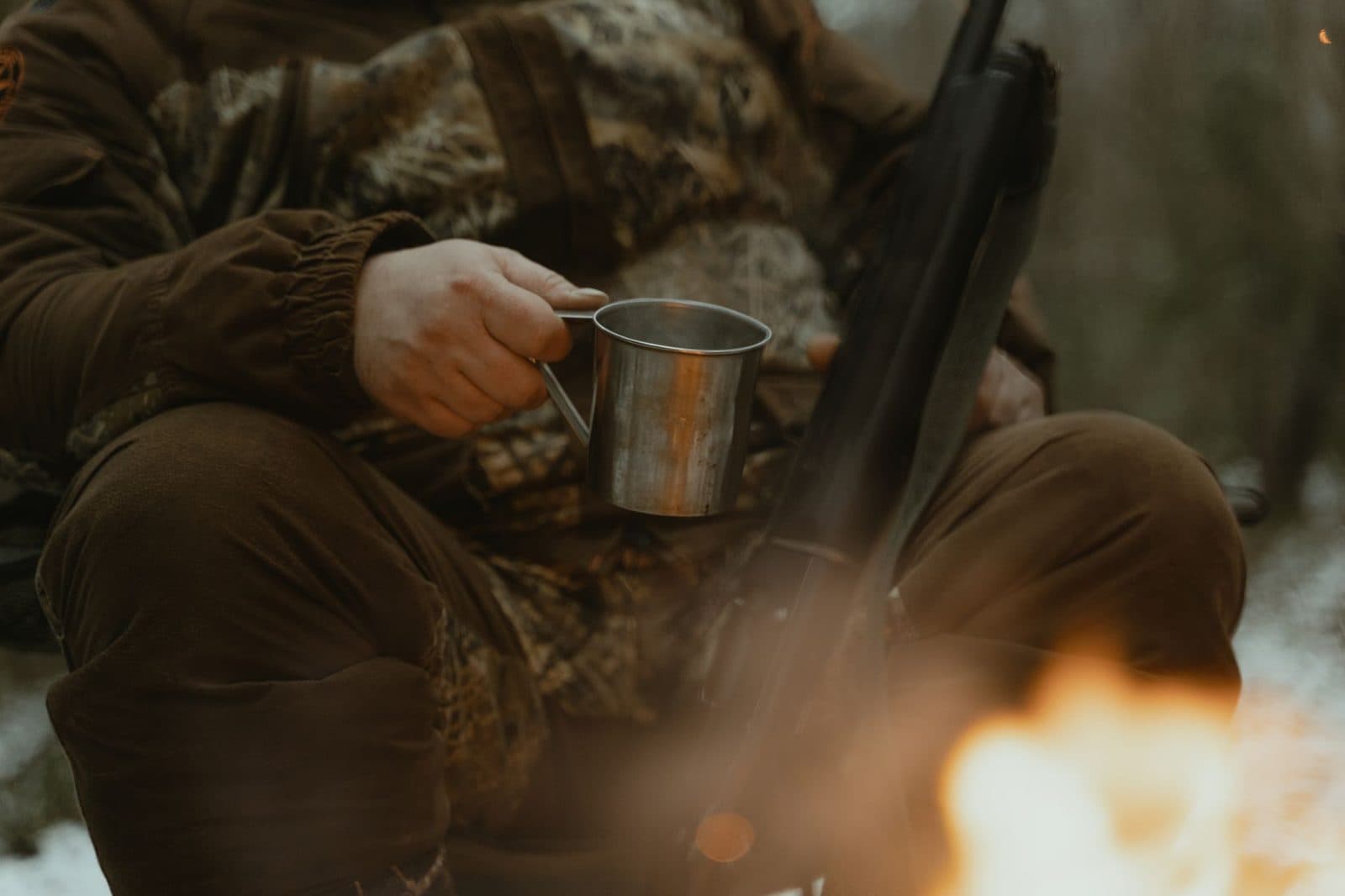
TIDEWE's torso garments — jacket, vest, pants — all run off the same 10,000 mAh USB power bank, which is about 37 watt-hours, not the 74 you get by converting at 7.4 V. Its gloves are the exception and the highlight: TIDEWE publishes 22.2 watt-hours per hand for them, with a temperature and a runtime for every setting, which nothing else on this site does.
One brand, two completely different disclosure habits
Most brands in this category are uniformly vague. TIDEWE is not, and that makes it unusually interesting to convert.
On its heated gloves, TIDEWE publishes the single most useful figure any maker in heated apparel prints: energy, in watt-hours. 22.2 Wh per hand. It then publishes a temperature range and a runtime for each of the three settings, which means every claim can be inverted and checked against the energy behind it. We have looked at dozens of listings for this site and found one other product that publishes watt-hours directly.
On its jacket, vest and pants, TIDEWE publishes a capacity — 10,000 mAh — and never once states the voltage it is measured at. Capacity without voltage is not energy. It is the same brand, in the same season, publishing the best specification in the category on one product and an unconvertible number on the next three.
Where the missing voltage actually is
The answer exists. It is just not on any page you would be reading while buying a jacket.
TIDEWE sells the power bank separately, and that page states the output: 5 volts at 2.4 amps, over two USB ports, in a 6.7-ounce pack with UL, FCC, RoHS and CE certifications listed. So the torso garments are not 7.4 V apparel products at all — they are USB devices, and the 10,000 mAh on the label is the cell-level rating a USB power bank always quotes. At 3.7 V that is about 37 watt-hours.
Quick picks
Tap any row to jump to the full write-up below. The energy column is the pack’s capacity times its voltage — the number this category does not print.
| # | Product | Best for | Energy | Price |
|---|---|---|---|---|
| 1 |  TIDEWE Heated Jacket with Heated Seat PocketFour zones, a waterproof shell, and a heated cushion that unzips out of the back pocket — which is a genuinely good id… | The only jacket here with a heated seat in it | 37.0 Wh | $139.99View on Amazon |
| 2 |  TIDEWE Men's Heated Vest with Battery PackFour zones including the collar, the same pack as the rest of the line, and the only garment on this site whose maker … | The wash rating nobody else publishes | 37.0 Wh | $80.99View on Amazon |
| 3 |  TIDEWE Heated Hunting Gloves (two packs included)TIDEWE publishes the one number the rest of this category withholds — 22.2 Wh per hand — and then publishes a temperat… | The only heated glove here that publishes watt-hours | 22.2 Wh | $79.99View on Amazon |
| 4 |  TIDEWE Heated Hunting Pants with Power BankThree zones over the thighs and seat, three published runtimes, and a pack that doubles as a phone charger — plus an a… | Hunting, with a runtime you can cross-check | 37.0 Wh | $107.99View on Amazon |
| 5 | 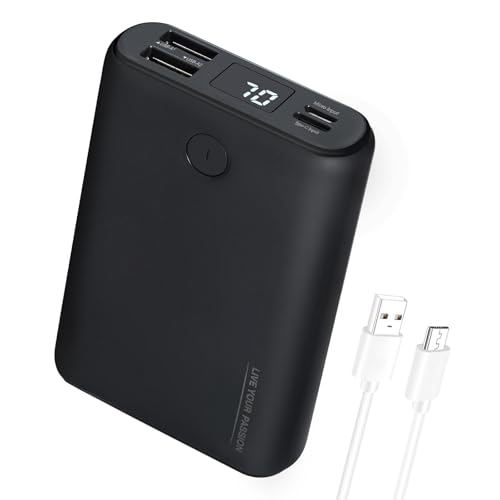 TIDEWE 10,000mAh Power Bank for Heated ApparelThe pack behind every TIDEWE torso garment, and the page that finally answers what those garments leave out: it is a 5… | The spare that runs the whole TIDEWE line | 37.0 Wh | $29.99View on Amazon |
#ad — buy links are tagged and earn us a commission at no extra cost to you. Prices come from a live feed; where none is available the button reads “Check price” rather than showing a number we cannot stand behind. How we are funded.
TIDEWE Heated Jacket with Heated Seat Pocket
Four zones, a waterproof shell, and a heated cushion that unzips out of the back pocket — which is a genuinely good idea for anyone who sits on cold ground, and the reason this is the pick for a stand hunt.
The numbers
- Energy
- 37.0 Wh
- Zones
- Four, plus the heated seat
- Pack
- 10,000 mAh USB bank, about 37 Wh
- Claims
- 10 h low / 5.5 h medium / 3 h high
- Shell
- Waterproof polyester with 120 g insulation
- Heat zones
- Four target zones, plus a separately heated seat cushion in the back pocket
- Settings
- Three, color-coded on the controller
- Care
- Not stated on this listing
On wattage: No wattage published. Against 37 Wh, the three claims invert to roughly 3.7 W on low, 6.7 W on medium and 12.3 W on high — believable for four zones, and near-identical to what TIDEWE's own vest and pants imply. That is worth noticing: three garments with different zone counts and different areas, all quoting the same runtime triplet.
On the pack: Runs off TIDEWE's 10,000 mAh USB power bank — about 37 Wh once you rate it the way USB banks are rated. The same pack powers TIDEWE's vest, pants and seat cushion, so one spare covers the whole outfit.
What we like
- The heated seat cushion is a real answer to sitting on frozen ground, and nothing else on this site has one
- A runtime published for all three settings, so the claims can be inverted
- Waterproof shell in a hunting pattern, which narrows the field considerably
- Shares one pack with TIDEWE's vest, pants and gloves-adjacent gear
What we do not
- No wattage published, and the pack's capacity has to be read at cell voltage to make sense
- The same 10/5.5/3 triplet appears on garments with different zone counts, which suggests a line-wide figure rather than a per-garment measurement
- No care instructions on the listing
- Camo only in this variant, which is the wrong look away from a hunt
Who this suits
A hunter who sits still on cold ground and wants the seat heated as well as the torso.
Who should skip it
You want a jacket for town. The pattern, the cut and the seat cushion are all built for a hide.
Spec sources: Amazon — TIDEWE heated jacket with zippered back pocket heater, Next Camo G2 (four heating zones, three levels, 10 h low / 5.5 h medium / 3 h high, 10,000 mAh pack) · TIDEWE — 10,000 mAh power bank for heated apparel (5 V / 2.4 A dual-USB output, 6.7 oz, UL/FCC/RoHS/CE, one-year warranty)
TIDEWE Men's Heated Vest with Battery Pack
Four zones including the collar, the same pack as the rest of the line, and the only garment on this site whose maker states how many machine washes it is built to survive.
The numbers
- Energy
- 37.0 Wh
- Zones
- Four, including the collar
- Pack
- 10,000 mAh USB bank, about 37 Wh
- Claims
- 10 h low / 6 h medium / 3 h high
- Wash rating
- 50+ machine washes, published
- Heat zones
- Collar, mid-back and underneath both hand pockets, per TIDEWE
- Settings
- Three — blue low, white medium, red high
- Care
- Machine washable, rated by TIDEWE for more than 50 washes; air-dry recommended and the pack comes out first
On wattage: No wattage published. Against 37 Wh the claims imply about 3.7 W low, 6.2 W medium and 12.3 W high. The high figure is identical to the jacket's despite the jacket covering far more of you, which is the clearest sign these are line-wide numbers rather than measurements.
On the pack: The same 10,000 mAh USB power bank TIDEWE ships with its jacket and pants — about 37 Wh at the cell rating its 5 V output implies.
What we like
- A published wash rating — more than 50 cycles — which no other maker on this site states at all
- A collar zone, which is the most commonly cold uncovered area and the one most often left out
- A runtime published for all three settings
- Layers under a coat, which is the most efficient way to spend a small pack
What we do not
- No wattage published
- Its high-setting figure matches the far larger jacket's, which undercuts both
- The pack is a 5 V USB bank, so it cannot be swapped with 7.4 V apparel packs
- Lightweight shell with little wind resistance of its own
Who this suits
Someone who wants a heated vest that will survive being washed as often as work clothing actually is.
Who should skip it
You need the heat to be the insulation. This is a thin mid-layer and expects a coat over it.
Spec sources: TIDEWE — Men's Heated Vest with Battery Pack (four carbon-fiber zones at the collar, mid-back and under both pockets; 10 h low / 6 h medium / 3 h high; rated for 50+ machine washes) · TIDEWE — 10,000 mAh power bank for heated apparel (5 V / 2.4 A dual-USB output, 6.7 oz, UL/FCC/RoHS/CE, one-year warranty)
TIDEWE Heated Hunting Gloves (two packs included)
TIDEWE publishes the one number the rest of this category withholds — 22.2 Wh per hand — and then publishes a temperature and a runtime for all three settings, which lets you check the claim instead of taking it.
#ad Price as of October 17, 2026. How we are funded.
The numbers
- Energy
- 22.2 Wh
- Maker's stated energy
- 22.2 Wh per hand
- Pack
- 7.4 V, two supplied
- Shell
- Seven-layer, 3M insulation, 140 GSM water-resistant coating
- Claims
- All three settings, with temperatures
- Heat zones
- Not specified by TIDEWE beyond the heated glove body
- Settings
- Three
- Care
- Not stated by TIDEWE
On wattage: No wattage published, but with three claims and a real watt-hour figure the draw can be inverted three ways instead of guessed once. The high-setting claim implies about 6.3 W per hand at the optimistic end of the range and 8.9 W at the pessimistic end.
On the pack: 22.2 Wh at 7.4 V is 3,000 mAh, one pack per hand. Publishing the figure in watt-hours rather than milliamp-hours is the honest way round, because watt-hours is the number that actually compares across voltages.
What we like
- Publishes energy in watt-hours, which nothing else in this category does
- A temperature AND a runtime for every setting, so the claim can be inverted
- Seven-layer shell with 3M insulation does real work before the element is on
- Two packs in the box rather than one
What we do not
- No wattage published, so the draw is still inferred rather than read
- TIDEWE does not state where the elements sit inside the glove
- No published care instructions
- Bulkier than a liner, which matters if you need to work a trigger or a zip
Who this suits
A hunter or an angler who is stationary in the cold and wants a claim that can be checked.
Who should skip it
You need dexterity more than heat. A liner under your own glove keeps the feel that a shell this thick removes.
Spec sources: TIDEWE — heated hunting gloves (7.4 V, 22.2 Wh, with a temperature and runtime published for all three settings)
TIDEWE Heated Hunting Pants with Power Bank
Three zones over the thighs and seat, three published runtimes, and a pack that doubles as a phone charger — plus an ambiguity in the specification that the arithmetic on this page can actually resolve.
The numbers
- Energy
- 37.0 Wh
- Claimed pack
- 10,000 mAh at 7.4 V
- Zones
- Three — upper thighs and seat
- Claims
- All three settings
- Extra
- Two USB ports for devices
- Heat zones
- Upper thighs and seat, per TIDEWE
- Settings
- Three, color-coded on the controller
- Care
- Not stated
On wattage: No wattage published. Against the pack's real 37 Wh, the 3-hour high-setting claim implies about 12.3 W across three zones — which lands almost exactly on ororo's 11.8 W for its own three-zone trouser. Converting the same pack at 7.4 V would imply 24.7 W, roughly double any comparable garment, which is how we spotted the voltage problem before TIDEWE's pack page confirmed it.
On the pack: These run off TIDEWE's 10,000 mAh power bank, and TIDEWE's own page for that pack settles what its garment pages leave open: the output is 5 V / 2.4 A over dual USB, not 7.4 V. A USB bank's milliamp-hour rating is the cell-level figure, so 10,000 mAh is about 37 Wh — not the 74 Wh you get by converting at 7.4 V.
What we like
- A runtime published for all three settings, so the claim can be checked
- Waterproof shell in a hunting pattern, which narrows the field considerably
- The pack charges a phone as well as the pants
- Heat over the seat, which is the zone that matters most sitting still
What we do not
- The capacity figure is ambiguous about its voltage basis, which is a factor-of-two difference
- No wattage published
- No stated care instructions
- Nothing at the knee
Who this suits
Someone sitting still outdoors in the wet who wants heat where they are in contact with the ground.
Who should skip it
You need the energy figure to be unambiguous. [Spare and replacement batteries](/battery/spare-and-replacement-batteries) explains why this particular ambiguity keeps recurring.
Spec sources: Amazon — TIDEWE heated hunting pants with power bank (7.4 V, 10,000 mAh, runtime for all three settings)
TIDEWE 10,000mAh Power Bank for Heated Apparel
The pack behind every TIDEWE torso garment, and the page that finally answers what those garments leave out: it is a 5 V USB bank, which settles the watt-hour question for the entire line.
#ad Price as of October 17, 2026. How we are funded.
The numbers
- Energy
- 37.0 Wh
- Capacity
- 10,000 mAh, about 37 Wh at cell voltage
- Published output
- 5 V / 2.4 A, dual USB
- Weight
- 6.7 oz
- Certification
- UL, FCC, RoHS and CE, per TIDEWE
- Heat zones
- Not applicable — this is a pack, not a garment
- Settings
- Not applicable
- Care
- Not washable — remove before laundering the garment
On wattage: Not applicable — this is a pack, not a garment. Its usefulness here is that its published 5 V output fixes the voltage every TIDEWE garment page leaves unstated.
On the pack: TIDEWE publishes the output — 5 V at 2.4 A over two USB ports — and the certifications, which is more than most sellers of apparel packs manage. What it does not publish is a watt-hour figure; 10,000 mAh at the 3.7 V cell rating a USB bank implies is about 37 Wh.
What we like
- Publishes its output voltage and current, which almost no apparel-pack seller does
- Traceable certifications — UL, FCC, RoHS, CE — stated by the maker
- One spare covers TIDEWE's jacket, vest, pants and seat cushion
- Comfortably inside the FAA carry-on threshold at about 37 Wh
What we do not
- No watt-hour figure published, so the conversion is still left to you
- 5 V USB means it will not drive a 7.4 V garment from another brand
- 10,000 mAh reads larger than the energy it actually represents
Who this suits
Anyone running TIDEWE gear who wants a second pack, or a full day out of the first.
Who should skip it
Your garment takes a 7.4 V apparel pack. This is a USB bank and the voltages do not match — see [spare and replacement batteries](/battery/spare-and-replacement-batteries).
Spec sources: TIDEWE — 10,000 mAh power bank for heated apparel (5 V / 2.4 A dual-USB output, 6.7 oz, UL/FCC/RoHS/CE, one-year warranty)
The line, converted
Watt-hours, and what they buy
Energy is capacity times nominal voltage. The ceiling draw is the pack’s own published output current times its voltage. The implied draw runs the maker’s advertised hours backwards. Nothing here is measured — check our working.
| Product | Capacity | Volts | Energy | Ceiling draw | Shortest runtime | Implied draw at the claim |
|---|---|---|---|---|---|---|
| TIDEWE Heated Jacket with Heated Seat Pocket | 10,000 mAh | 3.7 V | 37.0 Wh | Not published | Not derivable | 12.3 Wat 3 h high |
| TIDEWE Men's Heated Vest with Battery Pack | 10,000 mAh | 3.7 V | 37.0 Wh | Not published | Not derivable | 12.3 Wat 3 h high |
| TIDEWE Heated Hunting Gloves (two packs included) | 3,000 mAh | 7.4 V | 22.2 Wh | Not published | Not derivable | 6.3 Wat 3.5 h high, 140-149°f |
| TIDEWE Heated Hunting Pants with Power Bank | 10,000 mAh | 3.7 V | 37.0 Wh | Not published | Not derivable | 12.3 Wat 3 h high |
| TIDEWE 10,000mAh Power Bank for Heated Apparel | 10,000 mAh | 3.7 V | 37.0 Wh | Not published | Not derivable | No claim published |
“Not derivable” means the manufacturer does not publish the figure the sum needs. We leave it blank rather than estimating it, borrowing a number from a similar model, or rounding one into existence. These are ceilings, not promises: cold, wind, movement and pack age all push real runtime below them. Run your own numbers.
TIDEWE Heated Hunting Gloves (two packs included)
- Energy in the pack
- (3,000 mAh ÷ 1000) × 7.4 V = 22.2 Wh
- Most the pack can deliver
- Not published — no output current stated, so the ceiling cannot be computed.
- And the draw the maker’s own claim assumes
- 22.2 Wh ÷ 8.5 h = 2.6 W — which is the low, 104-113°f figure.
Source for the pack figures: TIDEWE — heated hunting gloves (7.4 V, 22.2 Wh, with a temperature and runtime published for all three settings).
That worked example is TIDEWE at its best. A published watt-hour figure and three published runtimes mean the high-setting claim inverts to about 6.3 W per hand at the optimistic end of its temperature band — a believable number for a heated glove, arrived at from the maker's own figures rather than ours.
The finding: one runtime triplet, three different garments
Line the torso garments up and something odd appears.
| Garment | Zones | Low | Medium | High | Implied draw (low / med / high) |
|---|---|---|---|---|---|
| Heated jacket (with seat pocket) | 4 + seat | 10 h | 5.5 h | 3 h | 3.7 W / 6.7 W / 12.3 W |
| Heated vest | 4 incl. collar | 10 h | 6 h | 3 h | 3.7 W / 6.2 W / 12.3 W |
| Heated hunting pants | 3 | 10 h | 5.5 h | 3 h | 3.7 W / 6.7 W / 12.3 W |
Same pack, same claims, three garments that cover very different amounts of you. A four-zone jacket with an extra heated seat cushion should not draw the same as three-zone trousers, and neither should hold out exactly as long on low.
We are not calling these figures wrong. They are plausible in isolation, and 12.3 W on high is a sensible draw for a garment of this size. What they are not is per-garment measurements. A number that repeats unchanged across products with different element counts and different surface areas is a specification written once for a product line, and it should be read as a rough ceiling rather than a promise about the jacket in your basket.
For comparison, Milwaukee's M12 line publishes different numbers for its two-zone and three-zone garments — 8/4/2 against 12/6/3 — and that difference is what let us work out which of its garments draws hardest. TIDEWE's flat triplet gives you nothing to compare within the line.
The heated seat is the genuinely novel part
Worth pulling out, because nothing else on this site has one and it addresses a real problem.
The jacket carries a zippered pocket in the lower back that holds a heated cushion. Unzip it, unfold it, and you are sitting on a heated pad rather than on frozen ground, a metal stand rail or a cold bleacher. Conduction pulls heat out of you far faster than air does, which is why cold feet and a cold backside are the two complaints that survive good clothing. Everything else in heated apparel warms the side of you facing the weather; this warms the side pressed against the cold thing.
The trade is that it is one more thing drawing from a 37 Wh pack, and TIDEWE does not publish a separate figure for the seat. Treat the jacket's runtime claims as the jacket's, and expect less if the cushion is out.
The wash rating nobody else prints
A second small thing TIDEWE does that is worth naming. Its vest page states the garment is built to survive more than 50 machine washes, with air-drying recommended.
No other maker on this site publishes a wash count. Most publish nothing about care at all, and several of the garments we have researched this season state no washing instructions whatsoever. Heated clothing is clothing: it gets dirty, and the reason people are nervous about washing it is that a wiring harness is sewn into it. A maker willing to put a number on that is telling you something real about how the harness is built. Washing heated clothing covers what those ratings mean in practice.
Which TIDEWE product is right for you
You sit still on cold ground
The jacket, for the heated seat. It is the only garment in this category we have found that treats the surface you are sitting on as part of the problem, and for a stand hunt or a long spectate that is the difference between staying out and going in.
You want heat under a coat you already own
The vest. Four zones including the collar, the published wash rating, and the most efficient way to spend a small pack — your own coat does the insulating and the battery only tops up. Heated jacket versus heated vest covers why that trade usually favors the vest.
Your hands are the problem
The gloves, and not only because they are good. They are the one product in this line whose claims you can check, which on a site built from published specifications counts for a great deal. Two packs in the box, 22.2 Wh per hand, and a temperature stated for every setting. Heated gloves for hunting puts them against the alternatives.
You already own TIDEWE gear
The power bank, and buy it before you need it. One spare covers the jacket, the vest, the pants and the seat cushion, because they all take the same 5 V USB input. At about 37 Wh it is comfortably inside the FAA's 100 Wh carry-on threshold, so it flies without a conversation — see travel and airlines.
How TIDEWE compares to the rest of the category
- Against the tool brands — Milwaukee and DEWALT give you a pack ecosystem you may already own and much larger batteries; TIDEWE gives you a cheap USB bank and, on its gloves, better disclosure than either.
- Against ororo and Venustas — ororo publishes capacity, voltage and watt-hours on its garment pages, which is what TIDEWE does only for gloves. ororo versus Venustas covers the consumer-brand comparison.
- On hunting specifically — TIDEWE is built for it, and the camo, the seat cushion and the waterproofing all reflect that. Heated vests for hunting and heated socks for hunting cover the rest of the outfit.
- On spare packs — a 5 V USB bank is the cheapest spare in this category and the least compatible with anything else. Spare and replacement batteries has the options converted.
What we would skip, and why
- Converting TIDEWE's 10,000 mAh pack at 7.4 volts
- It is the obvious move, because 7.4 V is what heated apparel usually runs on and TIDEWE's garment pages never say otherwise. It is also wrong by a factor of two. TIDEWE's own page for the pack states a 5 V, 2.4 A dual-USB output — it is a USB power bank, and a USB bank's milliamp-hour rating is the cell-level figure. About 37 watt-hours, not 74.
- Mixing TIDEWE packs with 7.4 V apparel packs
- The torso garments run off a 5 V USB bank; the gloves run off 7.4 V packs, two of them, one per hand. They are not interchangeable and no adapter makes them so. If you buy a spare, buy the one for the garment you own.
- Reading the runtime claims as per-garment measurements
- The jacket claims 10 hours low, 5.5 medium, 3 high. The pants claim exactly the same. The vest claims 10, 6, 3. Those are three garments with different zone counts covering very different areas, quoting nearly the same numbers from the same pack. That pattern says line-wide figure, not measurement, and it is worth knowing before you plan a day around one of them.
- TIDEWE's heated jackets in any pattern you would wear to work
- This is hunting apparel and it looks like it. The jacket we picked comes in a camo pattern, the pants are camo, and the styling is built for a hide rather than a commute. That is a feature if you hunt and a dealbreaker if you do not — heated jackets for work covers the plainer options.
Our criteria, and what we did not do
- Only garments in stock with a live price and a listing that names the model. Verified through the Creators scripts before anything was written.
- Every capacity converted at the voltage the maker actually publishes, which for TIDEWE's torso pack meant finding the pack's own page rather than trusting the garment pages.
- Runtime claims inverted into implied draws and cross-checked against comparable garments from other brands. Where three garments produce the same figure, we say so.
- The gloves judged on their own pack, which is a different voltage from everything else in the line.
- We have not worn any of this. How we work.
We have not worn, tested or owned any of these products, and we say so on every page rather than in a footer. What we do instead is compile the published specifications and do the arithmetic. The full method.
Frequently asked
- How many watt-hours is the TIDEWE battery pack?
- About 37 watt-hours. TIDEWE publishes 10,000 mAh and, on the pack's own page, a 5 V / 2.4 A USB output — which means the capacity is the cell-level rating a USB power bank quotes, so it converts at 3.7 V. Converting it at 7.4 V, as the garment pages invite you to, would give 74 Wh and roughly double the implied draw.
- How long does a TIDEWE heated jacket last?
- TIDEWE claims up to 10 hours on low, 5.5 on medium and 3 on high. Against the pack's real 37 watt-hours those imply about 3.7 W, 6.7 W and 12.3 W. Worth knowing: TIDEWE quotes almost the same triplet for its vest and its pants, which suggests a line-wide figure rather than a per-garment measurement.
- Are TIDEWE heated jackets any good?
- The jacket is the only one we have found with a heated seat cushion in a back pocket, which is a genuine answer to sitting on frozen ground, and the gloves are the best-documented product in the category. The weakness is disclosure on the torso garments: a capacity with no voltage on the page you are buying from.
- Can I use a TIDEWE battery with another brand's heated jacket?
- No. TIDEWE's torso garments run on a 5 V USB power bank, while most heated apparel runs on 7.4 V packs with a barrel connector. The voltages and the connectors are both different, and TIDEWE's own gloves use 7.4 V packs rather than the USB bank.
- Can you wash a TIDEWE heated vest?
- Yes, and TIDEWE is unusually specific: it states the vest is built to endure more than 50 machine washes, with air-drying recommended and the battery removed first. No other maker on this site publishes a wash count.
- Is TIDEWE better than ororo for heated clothing?
- For hunting, TIDEWE — the camo, the waterproofing and the heated seat are all built for it. For knowing what you are buying, ororo, which publishes capacity, voltage and watt-hours on its garment pages rather than on a separate accessory page. TIDEWE's gloves are the exception and beat anything ororo publishes.
- Do TIDEWE heated gloves come with batteries?
- Yes, two — one per hand, at 7.4 V, with TIDEWE publishing 22.2 watt-hours each. That is the one product in the line where the energy figure is stated outright instead of left as a capacity you have to convert.
Sources
- TIDEWE — 10,000 mAh power bank for heated apparel (5 V / 2.4 A dual-USB output, 6.7 oz, UL/FCC/RoHS/CE, one-year warranty)
- TIDEWE — Men's Heated Vest with Battery Pack (four carbon-fiber zones; 10 h low / 6 h medium / 3 h high; rated for 50+ machine washes)
- TIDEWE — heated hunting gloves (7.4 V, 22.2 Wh per hand, per-setting temperature and runtime)
- Amazon — TIDEWE heated jacket with zippered back pocket heater, Next Camo G2 (four zones, three levels, 10 h / 5.5 h / 3 h, 10,000 mAh pack)
- FAA — lithium battery guidance for passengers (100 Wh and 160 Wh thresholds)
Related
Heated Jackets
The biggest category and the noisiest claims. We convert capacity and voltage into watt-hours, then into hours at each setting.
Milwaukee heated gear: the whole M12 line, run through the arithmetic
Milwaukee publishes hours for every setting on every garment. Inverted, the line says the jacket lasts longer and the vest gets hotter.
DEWALT heated jackets: the 20V MAX line, run through the arithmetic
Every DEWALT heated garment you can buy, converted. Bigger packs than Milwaukee, one runtime claim that names its pack, three that name nothing — and a 90-day warranty on the newest vest.
Heated gloves for hunting, where stillness is the whole problem
Hours of stillness, then one moment that needs fingers. Why a liner under a shed-able mitten beats any single glove, and which brand publishes enough to check.
Heated vests for hunting, where sitting still changes the math
Stationary cold is the vest's best case. Which insulation, how to ration the pack, and why quiet fabric wins.
Heated pants, and how little most of them tell you
Three formats, five products, and five different levels of honesty about the battery. The arithmetic catches one specification that does not add up.
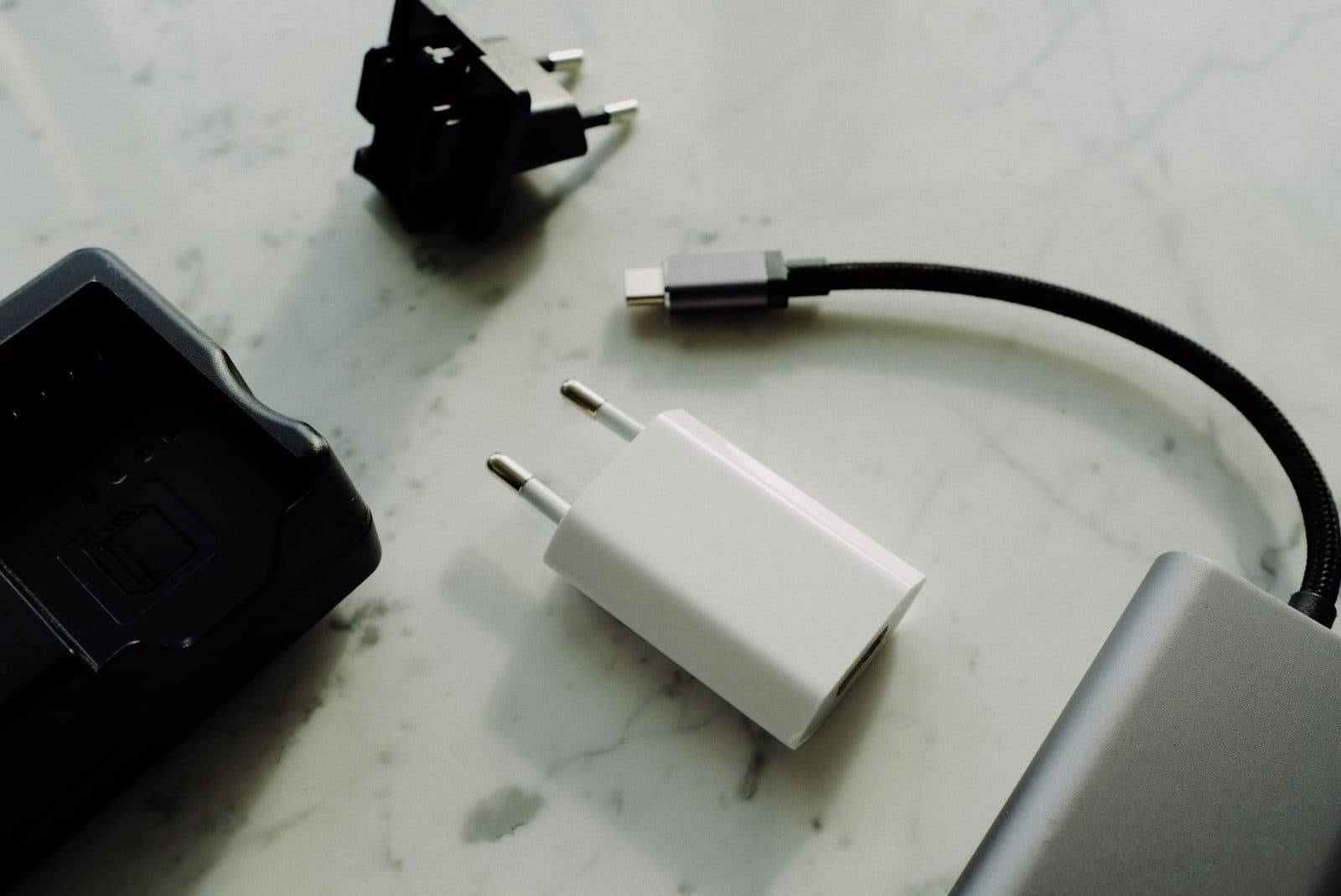
Spare and replacement batteries, converted before you buy
A second pack is the cheapest real upgrade here. Every capacity claim converted to watt-hours, with the airline band attached — including the class that quietly stops being carry-on legal.

ActionHeat heated jackets: a 5V platform, and numbers that add up
A 5V USB platform where any phone bank is a spare — and the only brand we have converted whose published temperature, runtime and output ceiling all agree with each other.
Fieldsheer and Mobile Warming: the best garment specs in the category, on top of a battery page that tells you nothing
Four settings with a temperature and a runtime for each, and per-zone draws that hold across three garments - sitting on top of a battery page with eight packs and no capacity figures at all.
Heated jackets for hunting, and the arms question nobody asks
One brand sells the same hunting garment as a jacket and a vest - same battery, same five zones. Only the placement changes, and for a long sit that is the whole decision.